A Detailed Guide to Succulent Cultivation Methods and Common Misconceptions
Many little girls nowadays love growing succulents. Keeping one or two pots at home not only serves a decorative purpose but also purifies the air. Below, let's take a detailed look at how to cultivate succulents and what the common misconceptions in succulent cultivation are.
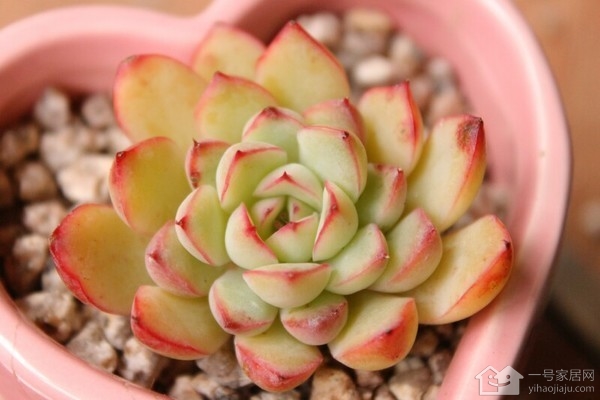
The "plenty of sunlight" notion: Some people only know that succulents love light, so they put them out in the sun no matter what, and do the same all year round. In fact, no one denies the idea of "plenty of sunlight," but you also have to follow each variety's light requirements, the plant's growth cycle, and seasonal changes. During the dormant period, the light should not be too strong; in midsummer, they need appropriate shading; but during the growing period, a certain amount of light must be ensured, preferably indirect light or scattered light. Ultimately, it is all about exercising good judgment.
The "loves a dry environment" notion: Because of the climate and environmental factors of their places of origin, some varieties are extremely drought-tolerant. Some people then indiscriminately refuse to give the plants any water, causing them to shrivel and die. One point cannot be overlooked here: in their places of origin, these varieties receive a concentrated period of rainfall once a year to satisfy their water needs. Now that they are grown in pots, since root growth is affected, failing to supply water in time will be detrimental to their growth. I once saw an enthusiast imitate the rainfall of the place of origin by giving the plants heavy irrigation during the growing period, and the plants still grew well. Overall, you need to distinguish between the growing period and the dormant period, and between winter-growing types and summer-growing types.
The "fears the cold" saying: Some people happily bring their beloved "succulents" home and rush to add warming equipment before winter even arrives, not knowing that, strictly speaking, doing a good job of "autumn cold hardening" for succulents is more meaningful than adding warming measures. But there must also be a limit; generally speaking, at 10°C most varieties need not be a concern. Never try to help the seedlings grow by pulling them up.
The meaning of "sandy loam": This is a broad concept, and different varieties have different soil requirements. But it is by no means something that can be handled with just some yellow sand. On the contrary, the soil in the places of origin of some varieties is quite fertile. The sandy loam here is a substrate that mixes yellow sand and loam. It should simultaneously provide aeration, drainage, and nutrient supply. Generally, its soil formulation must follow the principle of combining organic and inorganic components.
The above is the relevant introduction in this article. I believe that after reading it, you now have a simple understanding of this topic. If you need more, you can continue to follow No.1 Home Network to learn more information.