Morphological Characteristics and Cultivation Methods of the Conophytum burgeri Succulent
Conophytum burgeri is a lovely succulent with a rather cute and distinctive appearance. Many succulent enthusiasts are fond of this plant, but quite a few of them run into difficulties during cultivation. Below, let us learn about the plant morphology of Conophytum burgeri and how to cultivate it.
The Plant Morphology of Conophytum burgeri
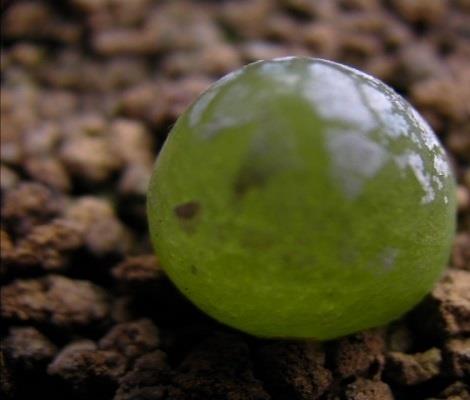
Conophytum burgeri - Aizoaceae, genus Conophytum (cone plants). The epidermis is bright green and semi-transparent. During the summer dormancy period, in an environment with ample light, the epidermis turns red. The flowers are large, pale purplish-red, with a white center, blooming in spring or autumn. The flowers usually open during the day when the weather is clear and close at night. If the cultivation environment has insufficient light or it is a cloudy and rainy day, it will be difficult for the plant to bloom. Being semi-transparent, it can be seen to be semi-transparent under direct light, shimmering with a faint reddish luster. Because the plant is crystal clear and looks sparkling, resembling a light bulb, it got its name; and because its plant shape closely resembles Mount Fuji in Japan, it also has the alias "Mount Fuji". It is a succulent plant with no stem, generally single-headed, occasionally double-headed, and even 3-headed or 4-headed clustered plants. The fleshy leaves are hemispherical, with a single head diameter of 2.5-4 cm or larger.
Propagation Methods of Conophytum burgeri
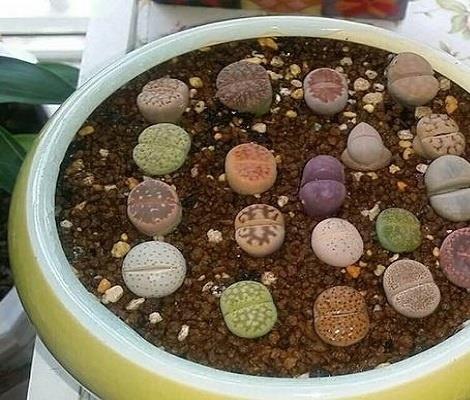
Conophytum burgeri is commonly propagated by sowing, carried out in autumn. Because the seeds are tiny, after sowing they must be covered with a piece of glass. When watering, the "soaking" method should be used: place the flower pot in a basin filled with water, so that water slowly soaks up through the drainage hole at the bottom of the pot to moisten the soil. This method is also used for watering during seedling management. Newly emerged Conophytum burgeri seedlings often topple over, with their roots exposed outside the soil. You can use a toothpick, tweezers or other small tools to cover the exposed roots with soil and straighten the fallen plants. Double-headed or multi-headed Conophytum burgeri can be propagated by division when repotting.
Cultivation Techniques for Conophytum burgeri
1. Pot and Soil Selection
To grow this delicate succulent, the pot and soil must be loose, breathable and well-draining. You also need to prepare some granular soil, such as the common akadama, kanuma, vermiculite and river sand. Newly planted Conophytum burgeri is generally potted in a mix of peat soil and granular soil. Of course, you can also use a mix of leaf mold and coarse sand. Adding some bone meal and perlite would be even better.
After planting, spread a layer of top-dressing stone on the surface; small pebbles, akadama, kiryu and other media are all fine. Water again two or three days after the plant has settled in.
2. Overwintering and Getting Through Summer
Conophytum burgeri likes a cool and dry environment, and of course plenty of light. If the temperature difference between day and night is large, it will be in better condition and have better color.
In summer, be sure to provide shade and ventilation; a stuffy, hot and humid environment will not do. If you like it, try your best to improve things! Pull up the shade net and turn on the fan! Avoid strong winds and avoid prolonged rain.
It fears extreme summer heat and is not cold-tolerant either. In winter, be sure to protect it from the cold (it can overwinter safely above 5°C). Move it inside by the windowsill to bask in the sun and prevent cold wind from blowing in through gaps.
3. Watering
Except in the hot summer, water appropriately in the other seasons, slightly reducing it in winter. Generally, water thoroughly only after the potting soil has dried out completely.
Combining the pictures of Conophytum burgeri with the text on its plant morphology, I believe everyone now has a deeper understanding of this plant. How could such an adorable Conophytum burgeri not make people like it? Many people have started researching how to cultivate Conophytum burgeri. Potted Conophytum burgeri are usually available for sale at flower and plant markets. We can just pick out a Conophytum burgeri we like and take it home to grow. Conophytum burgeri needs careful tending. Remember to give it plenty of sunlight, and remember not to water it in summer.
The above is the related introduction in this article. I believe you have gained a simple understanding of it after reading. If needed, you can continue to follow No.1 Home Network to learn more information.