How to grow potted tulips: the flowering time of tulips
The original name of African jasmine is hui li mu (Fagraea ceilanica), a shrub or small tree. This plant is also very common. Below, let us learn about the causes of African jasmine leaf drop and the solutions for African jasmine leaf drop.
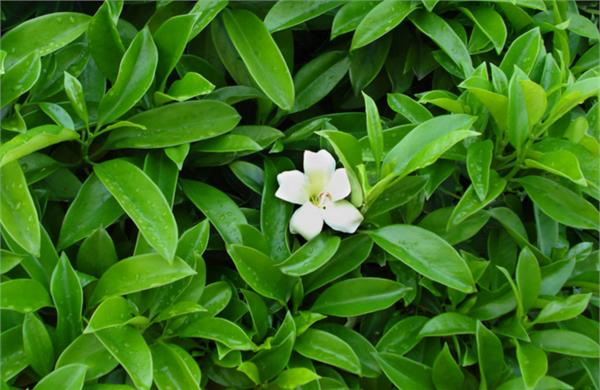
Causes of African jasmine leaf drop:
1. Repotting reasons. Potted African jasmine needs its potting soil changed once every one to two years. After changing the soil, the original root system cannot support the water demand of the upper leaves, so the plant will certainly shed some leaves through transpiration. It may also be a lack of some trace element, but this is very unlikely.
2. Watering reasons. Too much or too little watering will affect the growth of African jasmine, thereby causing its leaves to turn yellow and fall off. When the potting soil is too dry, the roots cannot supply enough water and cannot meet the plant's needs, so the leaves fall off from lack of water; when the potting soil is too wet, it affects the respiration of the root system, and in severe cases causes root rot, so nutrients cannot be supplied and the leaves will drop.
3. Low temperature reasons. African jasmine is a tropical plant and needs a relatively high growing temperature. When the temperature is below 5°C, it stops growing and the leaves easily fall.
4. Light reasons. African jasmine likes light but avoids strong light. During growth it requires fairly sufficient scattered light, or it should be placed near a window. It should not be too dark, otherwise the leaves will lose their green color, turn yellow, or fall off.
5. Effects of pests and diseases. Some diseases and insect pests can also cause the leaves of African jasmine to turn yellow or fall off.
Solutions for African jasmine leaf drop:
1. When growing African jasmine, pay attention to its water needs. Water should be sufficient, but the roots must not be waterlogged. In spring and autumn, water just enough to keep the potting soil moist. In the plum rain season, be careful to prevent waterlogging. In the scorching summer, spray water once in the morning and once in the afternoon to increase humidity and lower temperature. In winter, it is suitable to keep the potting soil slightly moist, and around noon when the temperature is relatively higher, spray an appropriate amount of water on the leaf surface.
2. Maintain good indoor temperature and ventilation conditions;
3. Place the African jasmine potted plant in a place where it can get sunlight, and pay attention to shading when the sunlight is strong;
4. For potted plants in northern regions, to prevent leaf yellowing, add 0.2% ferrous sulfate when watering and fertilizing during the growing season. When planting in the ground, apply sufficient base fertilizer. In late autumn, dig trenches around the root system and bury cake fertilizer, 0.5 to 1 kg per plant;
5. Pay attention to the prevention and control of common pests and diseases of African jasmine.
What should be done if African jasmine drops its leaves?
The growth of African jasmine is somewhat picky about the environment. Improper care can easily lead to slow growth and frequent leaf drop. This situation is especially common in northern regions. African jasmine is a foliage plant; once the leaves drop, it becomes bare and loses its ornamental value. Therefore, the most commonly used rescue method for African jasmine leaf drop is to "cut the branches short and force new leaves to sprout." Let us see how to do it:
1. After the beginning of spring and before May 1, begin water control and let the African jasmine plant dry out for a period.
2. After May 1, first carry out heavy pruning of the plant, leaving 2-3 buds at the base of the surrounding branches and cutting off all the rest, without leaving a single leaf.
3. Immediately after pruning, repot, apply sufficient base fertilizer, then water thoroughly in several rounds, and do not water again until a large number of new buds appear.
4. Place it in a cool, ventilated place for care. At this time, observe carefully, prevent insects and disease, and protecting the tender buds is very important.
5. After the tender buds gradually increase, pay attention to selecting and removing them in a planned way, and let them grow according to the expected plant shape. At the same time, cut off dried branch sections at any time.
6. Three months after pruning, gradually expose it to sunlight. Water should be sufficient, but there must be no waterlogging. Just pay attention to care.
The above is the relevant introduction in this article. We believe that after reading it, you also have a simple understanding of this. If needed, you can continue to follow No.1 Home Network to learn more information.