How to grow aloe vera? An introduction to aloe vera cultivation methods
Many friends are not particularly familiar with how to grow aloe vera, so today I will give you a brief introduction to aloe vera cultivation methods. Let's take a look together.
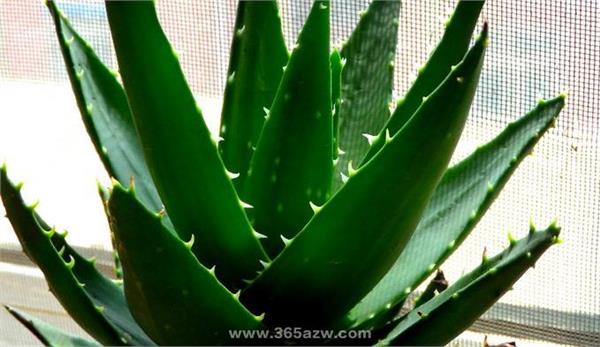
Aloe vera cultivation methods
1. Soil: The potting soil for growing aloe vera should have good drainage, water retention, air permeability and fertilizer-holding properties. Soil with poor drainage and air permeability will block root respiration and cause root rot and necrosis, but overly sandy soil often causes the loss of water and nutrients, making aloe vera grow poorly. The commonly used potting soil formula is: humus, garden loam and river sand in a ratio of 2:2:1; wood chips or mature coal ash can also be used instead of river sand. In addition, the potting soil should be relatively clean and hygienic; before planting, the soil can be disinfected and sterilized with products such as Bimiesu.
2. Choosing a pot: For potted aloe vera, clay pots are best; porcelain pots and plastic pots are not suitable, because they have poor air permeability and are prone to causing root rot. Before using a new pot, it should be soaked thoroughly with water; otherwise, after potting, watering will not easily penetrate the pot, and the half-dry, half-wet pot wall will damage new roots.
3. Selecting seedlings: Selecting seedlings is also key to growing aloe vera. A robust aloe vera seedling should have short, thick leaves, a dark green color, and more than four self-grown roots.
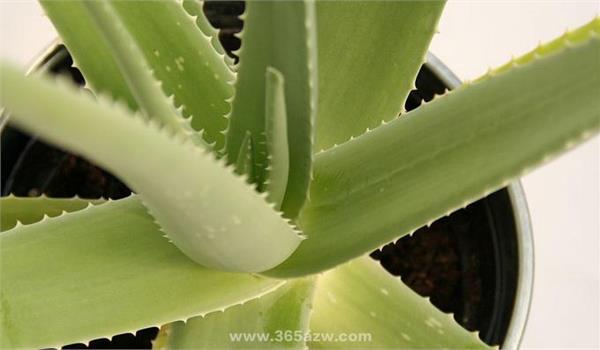
4. Potting: Potting means planting into a pot. Potting should be done in spring and summer; it is not suitable in winter, as the temperature is too low and not conducive to the emergence of new roots. Before potting, place a piece of broken tile at the bottom of the pot, pressed over the drainage hole, which can maintain drainage without letting the potting soil leak out. When potting, first place the aloe vera seedling upright in the center of the pot, let the root system spread out as much as possible, fill soil to cover the roots, then gently lift the seedling upward a little and press it down slightly, so that the roots come into close contact with the potting soil above, below and on all sides, then add potting soil until it remains 2-3 cm below the rim of the pot, taking care to keep the seedling upright as much as possible. Finally, slowly water thoroughly into the pot.
5. Repotting: Potted aloe vera generally needs to be repotted once every 1-2 years, preferably in spring from April to May and in autumn from September to October each year. When repotting, keep the soil ball intact and avoid damaging the root system as much as possible. After repotting, it still needs to be kept in a semi-shaded place for a period of care, and only after it has fully recovered can it be moved to a sunny place for care.
6. Temperature: Aloe vera is afraid of cold, because it originally grew for a long time in a desert environment with no frost all year round. At a room temperature of 5 degrees, aloe vera stops growing; at zero degrees, its life processes will be impaired. The most suitable growing temperature for aloe vera cultivation is 15-5°C, and the humidity should be 45-5%.
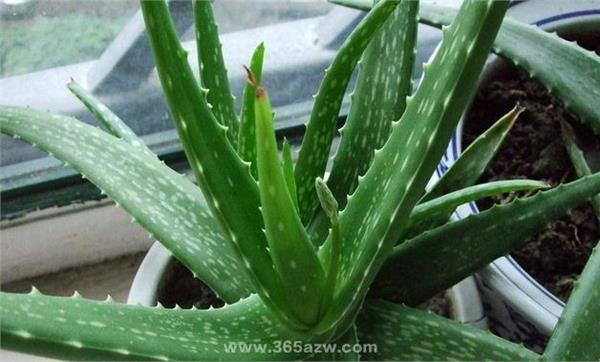
Aloe vera propagation methods
1. Division propagation: Division propagation is the separation and planting of the short branches (botanically called offsets) that grow from the root zone of the aloe vera and between the leaf axils of the aboveground stems near the surface of the potting soil. They can be transplanted, or directly separated in place and moved after they have rooted. Division propagation can be carried out throughout the entire growth period of aloe vera, but the temperature conditions in spring and autumn are most suitable. When division propagation is carried out at this time, the small aloe vera seedlings turn green relatively quickly and the survival rate is high.
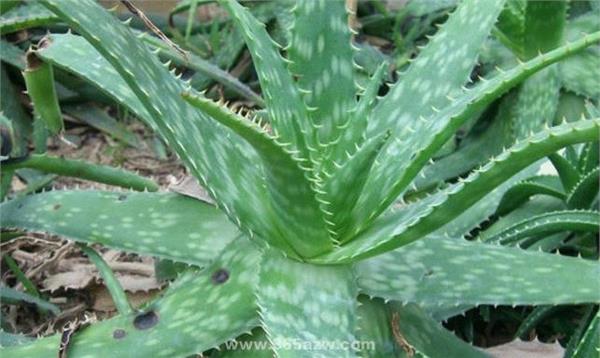
2. Cutting propagation: Cutting propagation involves taking a plump main stem or side branch from the aloe vera during its growth period as a cutting for propagation. When taking cuttings, make sure the wound on the aloe vera has dried, which can prevent infection. After rooting, water again. Before that, water can be sprayed on the potting soil to keep it moist. In addition, treating the dried aloe vera cuttings with a rooting agent can increase the survival rate of the seedlings and promote earlier rooting.