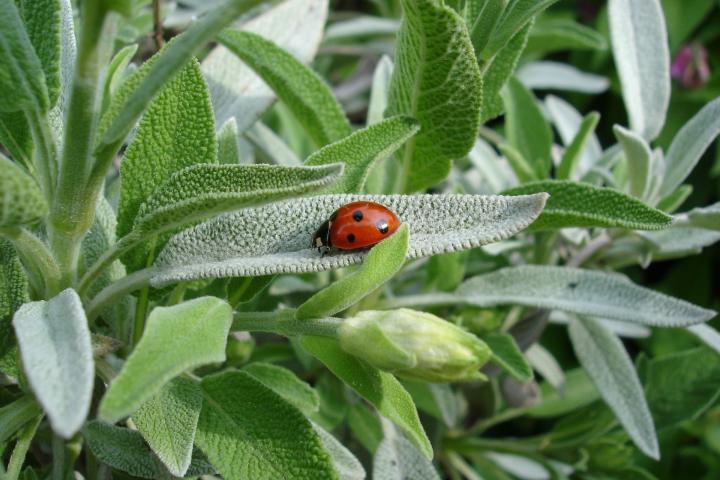
Is Sage Easy to Grow? A Detailed Guide to Planting, Harvesting, and Care
Garden sage is very easy to grow, and it is a delicious culinary herb that can season meat and bean dishes (including Thanksgiving stuffing). Learn how to grow and harvest sage. Sage is a hardy perennial with attractive gray-green leaves
Garden sage is very easy to grow, and it is a delicious culinary herb that can season meat and bean dishes (including Thanksgiving stuffing). Learn how to grow and harvest sage.
Sage is a hardy perennial with attractive gray-green leaves that looks just as good in a perennial border as it does in a vegetable garden. It produces spring flowers in various colors, including purple, blue, white, and pink. Not all sages are culinary; the most popular kitchen sage is called Salvia officinalis.
Planting:
1. It needs full sun! The soil must be well-drained.
2. The simplest and best planting method is to plant sage from a small plant, spaced two feet apart.
3. You can sow seeds two weeks before the last frost date. (See local frost dates.) Plant the seeds/cuttings in well-drained soil 1 to 2 weeks before the last spring frost.
4. For best growth, the soil should be between 60º and 70ºF.
5. The plants should be between 12 and 30 inches tall.
6. In the garden, plant it near rosemary, cabbage, and carrots, but keep it away from cucumbers.
Care: Be sure to water the seedlings regularly until they are fully grown so they do not dry out. They need a steady supply of moisture until they begin growing rapidly. Prune the heavier woody stems every spring.
Pests/Diseases: rust; powdery mildew; stem rot; fungal leaf spot; whiteflies; aphids; spider mites
In the first year, harvest lightly to ensure the plant grows fully. After the first year, be sure to leave a few stems so the plant can rejuvenate. If fully established, one plant can be harvested up to three times in a season. Stop harvesting in autumn so the plant can prepare for winter. It is best to replace the plants every few years to maintain productivity.
Recommended variety: tricolor sage, which adds a bit of color to the garden (yellow, magenta, and sage green).