Little-known facts about growing flowers that every flower grower should know
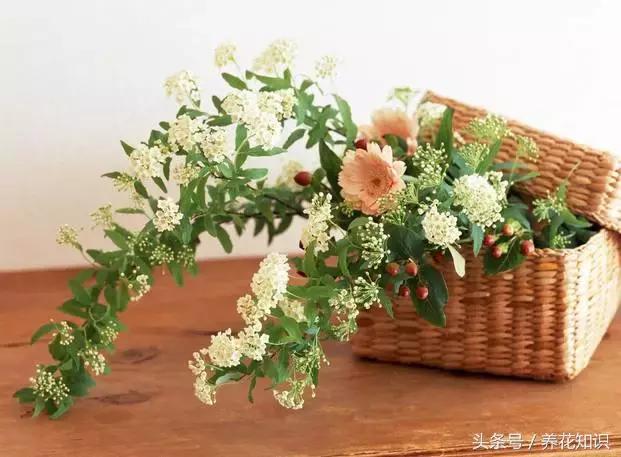
When growing flowers at home, you should note that many varieties of flowers are not suitable for keeping at home. Besides the well-known role of green plants as a green oxygen bar, green plants can also serve as disinfectants, vacuum cleaners and humidifiers. Plants such as English ivy and asparagus fern even have bactericidal and bacteria-inhibiting effects.
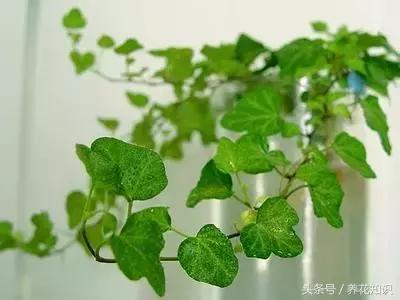
Growing flowers in the kitchen
The kitchen is the place with the most polluted air in the whole home, so you need to choose plants that are tough, small in size and able to purify the air: spider plant, pothos, ball cactus and aloe are all very good choices.
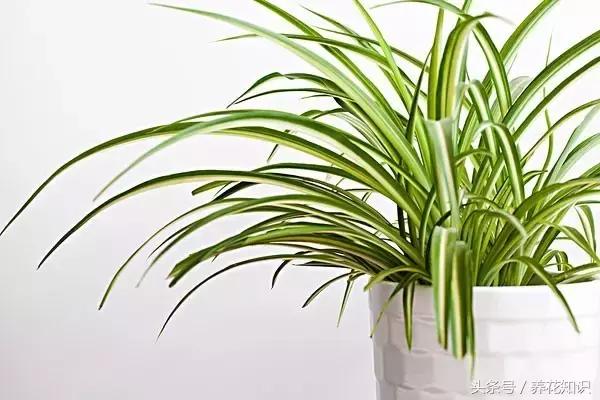
Growing flowers in the bathroom
Shade-tolerant, moisture-loving potted plants are most suitable for placing in the bathroom. On the washbasin you can put small foliage ferns or clearweed, etc.; cockscomb and tobacco plant can help absorb harmful substances released by the ceramic glaze; and plants such as pothos and clivia are good at improving the air quality in the bathroom.
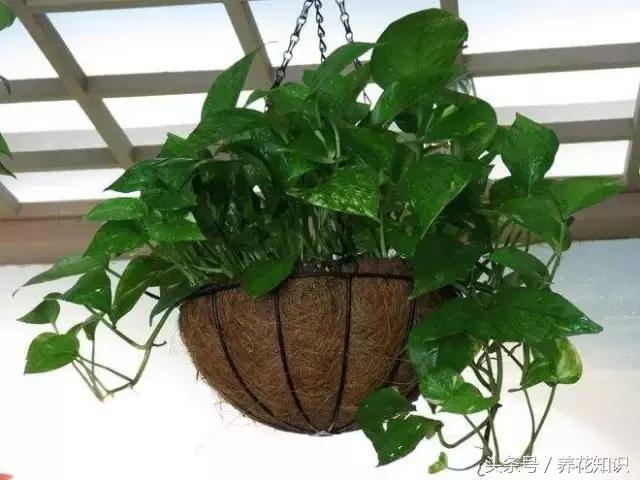
Mutually incompatible flowers and plants
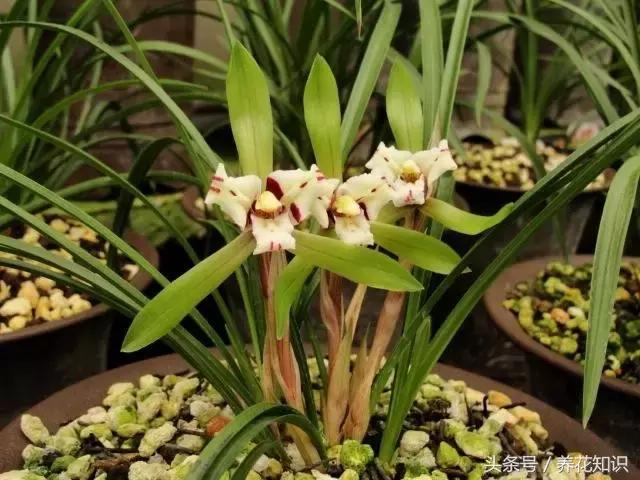
Some flowers and plants will restrict each other when placed together, affecting each other's growth. For example, roses cannot live together with mignonette. In addition, corn poppies, orchids, violets and lilies also find it hard to "live in peace" with other flowers.
Toxic flowers and plants
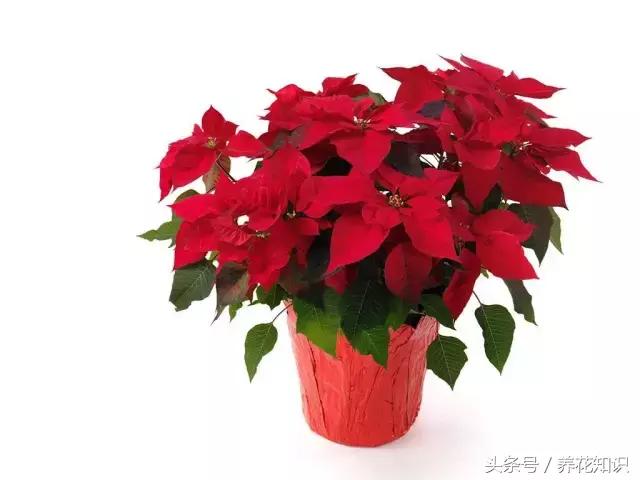
Many people know that plants such as oleander, yellow azalea, poinsettia and sensitive plant are toxic. But in fact, some flowers and plants can also affect special groups of people: owners with an allergic constitution should avoid Chinese rose, redbud, etc.; people with insomnia had best not choose orchids, lilies and narcissus.
Flower lovers can add the gardener on WeChat: A13300668