A Detailed Guide to Gardening Basics: A Must-Read for Beginners
As people's living environments keep improving and their living standards and tastes keep rising, limited apartment space and the tense, busy, fast-paced modern life have led people to yearn even more for pastoral scenery. Using living rooms and balconies to grow flowers, plants, potted plants and greenery, thereby regulating emotions, cultivating character, and creating some cultural and artistic atmosphere in life, has become a new urban lifestyle trend. Yet growing flowers at home is by no means easy. Often, due to a lack of necessary gardening knowledge and experience, people run into puzzling problems in the process and feel deeply that "a flower cared for with all one's heart still will not live." Below we will introduce some basic gardening knowledge in the hope that it will help you.
01
Understanding the Habits of Flowers and Plants
Based on growth habits and morphological characteristics, flowers are generally classified into herbaceous flowers, woody flowers, succulent flowers and aquatic flowers. Different flowers differ greatly in their needs for sunlight, water and temperature. So before buying a flower, you should find out whether the flower you want to buy has a suitable growing environment. For example, if you have a north-facing balcony with very little light, it is not suitable for sun-loving flowers; otherwise they will grow poorly and bloom very little.
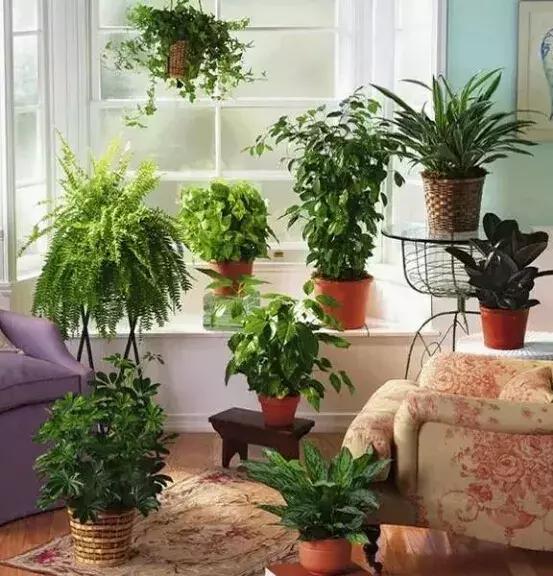
Most flowers grown for their blooms and fruit belong to the sun-loving group, such as magnolia, Chinese rose, pomegranate, plum blossom, crape myrtle and citrus. Among foliage plants, a few are also sun-loving, such as sago palm, palm and croton. Most aquatic flowers, cacti and succulents are also sun-loving. All sun-loving flowers like strong light and cannot tolerate shade. If sunlight is insufficient, branches and leaves tend to grow leggy, the tissues become soft and weak, leaf color turns pale and yellow, they bloom with difficulty or bloom poorly, and they are prone to pests and diseases.
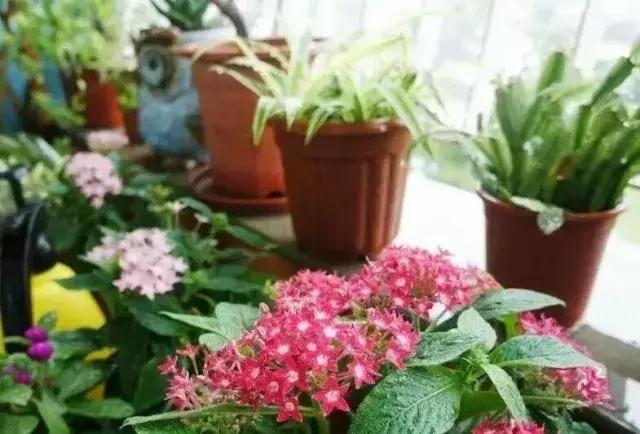
Flowers such as asparagus fern, camellia, azalea, hosta and pothos grow well under shaded conditions. Osmanthus, jasmine, white orchid and hydrangea belong to the neutral group; they grow well under conditions of ample sunlight, but need shading in summer when light intensity is high.
In addition, you should also understand whether a flower likes water and fertilizer, how often to water and fertilize, and what the suitable care temperature is in summer and winter. Flower lovers need to do their homework well.
02
Choosing Pots
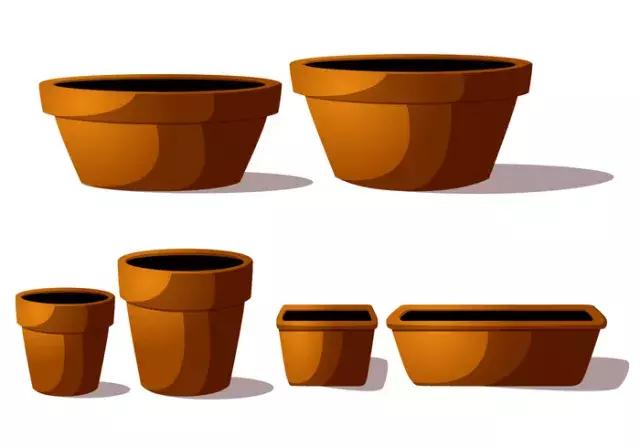
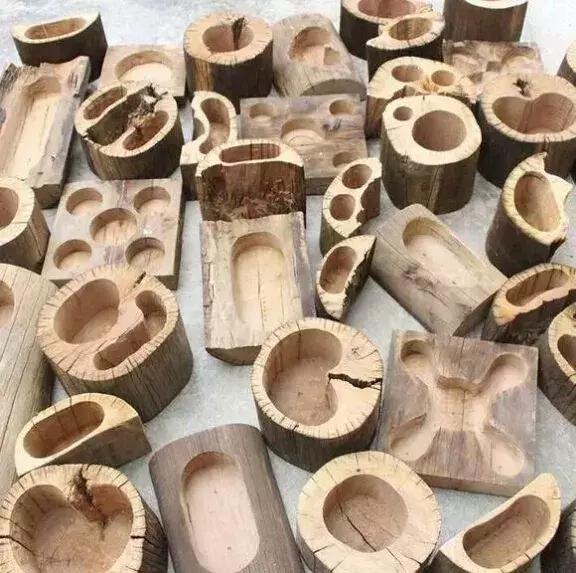
Purple clay pots are attractive in appearance and dignified, but their drainage and breathability are lower than those of earthen pots, and they are rather expensive. Porcelain pots are very beautiful in appearance, but they are more expensive and have very poor drainage and breathability. Plastic pots are cheap, but their drainage and breathability are very poor, and in dry northern regions they easily weather and become brittle over time. Wooden pots are suitable for growing large foliage plants and can be placed in larger halls and courtyards. Hydroponic pots have no drainage hole at the bottom and are special pots for aquatic flowers. Flower lovers can choose pots according to their actual budget and the types of plants they grow.
03
Choosing Flowers
As the saying goes: "An elegant room need not be large; fragrance of flowers need not be many." Placing some flowers and plants indoors, with green leaves and abundant blooms and evergreen through the four seasons, truly brings full spring atmosphere and vitality. For growing flowers at home, potted plants are generally the main choice. Due to limited conditions, do not grow too many; 10 to 15 pots is suitable. The flowers chosen are best able to cover foliage flowers, flowering flowers, fruiting flowers, fragrant plants and ornamental-form flowers, so that the varieties are rich and diverse. In home gardening, the quantity should be few but fine, and in choosing varieties you should reasonably select flowers and trees according to the family's environmental conditions and personal preferences.
When beginners buy flowers, it is best not to buy small seedlings, nor to raise them from seed, because care is more difficult; it is best to choose finished potted plants. Select ones with a well-formed plant shape, thick, lush and glossy dark green leaves, and no yellow spots or diseased spots on the leaves. Even a diseased spot only the size of a grain of rice may eventually spread to the whole plant.
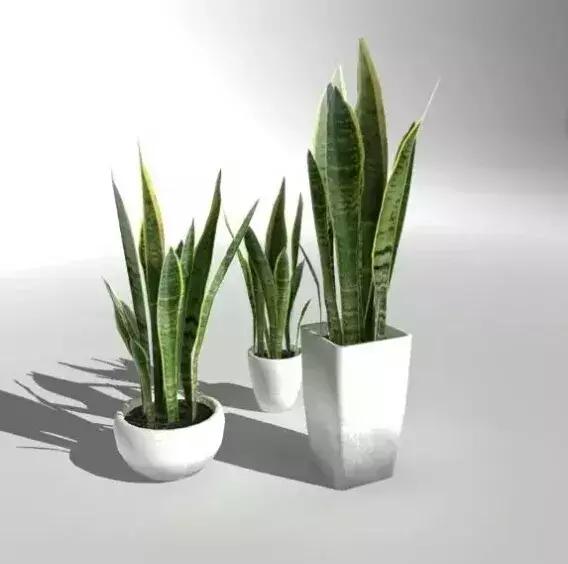
For beginners buying flowers, you can first try some easy-to-keep varieties. First, they are relatively cheap; second, they are easy to keep alive and keep well, which helps build confidence. You can grow plants such as spider plant, aloe, snake plant, cactus, pothos, Chinese rose, kalanchoe, narcissus, marigold, petunia, impatiens, dianthus, orchid tree, jasmine, Christmas cactus and parlor palm.
04
Growing Medium
General flowers and plants: field soil (or garden soil), leaf mold or peat, and river sand in a volume ratio of 5:3:2 is a very suitable ratio for general flowers and plants.
Greenhouse flowers and plants: can be prepared with field soil and leaf mold in a volume ratio of 2:3, or with garden soil, leaf mold and river sand in a volume ratio of 2:2:1.
Woody flowers: prepare with field soil and leaf mold in a ratio of 3:2.
Foliage plants: can be prepared with garden soil, leaf mold and river sand in a volume ratio of 2:2:1.
Cacti: can be prepared with leaf mold, river sand and carbonized rice husk in a ratio of 2:7:1.
Soilless substrate cultivation formulas: The difference between soilless cultivation and conventional cultivation is that it does not use soil and directly uses nutrient solution to grow plants. To anchor the plants and increase air content, most use gravel, sand, peat, vermiculite, perlite, rock wool, sawdust and sphagnum moss as anchoring substrates. Its advantages are that it can effectively control the optimal requirements of flowers for temperature, water, light, nutrients and air during growth and development. Because soilless flower cultivation does not use soil, it can expand the scope of planting, accelerate flower growth, improve flower quality, save fertilizer and water, save manual operations, and save labor and costs.
Common formulas include: peat and fine sand 1:1, peat, coconut coir and fine sand 1:1:1, peat and fine sand 3:1, peat and vermiculite 1:1, peat and perlite 1:1, peat, vermiculite and perlite 2:1:1. All the above ratios are volume ratios.
05
Watering Methods
Whether the amount of water given to potted flowers is timely and appropriate is the key to success in growing flowers. The amount of water for potted flowers must be comprehensively judged according to the flower variety, plant size, growth and development stage, climate, soil conditions, pot size, placement location and other aspects, so as to determine the watering time, frequency and amount.
There are five principles for watering:
Better dry than wet
Water thoroughly when completely dry
Alternate dry and wet
Water when dry, let dry when wet
Better wet than dry
Under normal circumstances, moisture-loving flowers should be watered more, and drought-loving flowers should be watered less; bulbous flowers should not be watered too much; herbaceous flowers have high water content and also transpire heavily, so they need more water than woody flowers; flowers with large, soft, smooth and hairless leaves should be watered more, while flowers with small leaves that have a waxy layer, fine hairs or a leathery texture should be watered less; water more during vigorous growth and less during dormancy; water more when the plant is large and the pot is small, and less when the plant is small and the pot is large; water more in hot weather and less in cold weather; water more in dry weather and less on cloudy days, and so on.
There are also some sayings about watering:
Watering potted flowers requires care; pay attention to the ten more and ten less. Herbaceous plants get more water, woody plants get less.
Wet-loving plants get more water, dry-loving plants get less; large plants in small pots get more water, small plants in large pots get less;
Plants with large, soft leaves get more water, plants with small, waxy leaves get less; those on balconies get more water, those in small courtyards get less;
Sandy soil gets more water, clay soil gets less; water more when it is hot, water less when it is cold;
Water more in drought, water less on cloudy days; water more during the vigorous growth period, water less during dormancy;
Water more at the bud stage, water less at the flowering stage; water in the morning and evening in summer, water at noon in winter.
At noon in scorching summer the temperature is high; by all means do not water flowers with cold water. Do not give half-water; watering thoroughly when completely dry is the principle.
Watering with hard water causes brown spots on flowers; rainwater makes flowers happiest. Rainwater is fattening, rice water makes them strong; tap water is only safe after standing overnight.
Watering cannot be done by rigid rules. You can adjust reasonably according to the above principles and sayings in light of actual conditions, and only by slowly accumulating experience can you master watering well.
06
Pests and Diseases
In home gardening, the main pests include aphids, red spider mites, scale insects, and ants and white grubs in the soil. Because general chemical pesticides are highly toxic, easily pollute the environment and harm the human body, it is best to focus on manual capture, or soak the whole plant in water for a few minutes; you can also make your own pollution-free flower pesticide for spraying, such as mashing garlic and adding a small amount of laundry detergent, diluted 50 times; or soaking tobacco shreds in water and using the filtrate to spray or drench the roots; or adding a few drops of essential balm to a watering can. These all have obvious toxic effects on general pests.