A Complete Guide to the Benefits and Taboos of Growing Flowers at Home
[Introduction]Growing flowers is actually a pleasure, but to grow them well you need to be a bit more responsible, because flowers often have different requirements for soil, light, water, temperature, and other conditions. If you do not grow them carefully and attentively, you may end up with regrettable sights such as withered plants, yellowing leaves and branches, and flowers that refuse to bloom. This is especially true for growing flowers at home: to make sure the flowers can beautify your living space, you must grow them well and enhance their ornamental value.
Growing flowers can delight the eye and gladden the heart, and can cultivate character. Some flowers can even be used medicinally or as food, but all of this can only be achieved when the flowers are grown well. If you do not care for them attentively, the flowers will not give the grower the corresponding rewards.
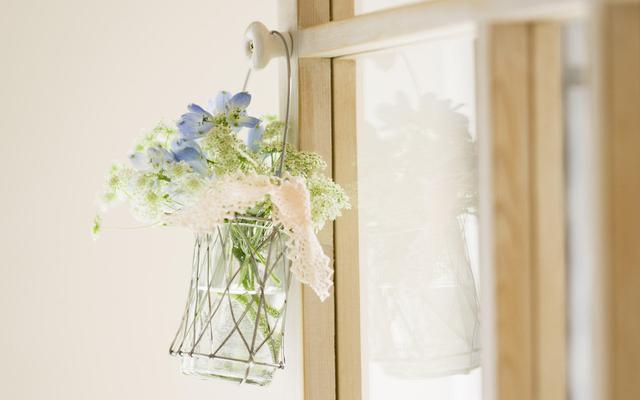
I. What Are the Benefits of Growing Flowers
1. With their gorgeous splendor, flowers decorate nature with extraordinary beauty and give people enjoyment of beauty. Growing flowers can enrich and adjust people's cultural life, add pleasure, cultivate temperament, and improve health; it can also increase scientific knowledge and raise cultural and artistic accomplishment.
2. Growing flowers can green and beautify the land of our country, protect and improve it, and purify the air, so that people can work and study in a beautiful environment and live better lives.
3. Growing flowers not only provides ornamental value, but also has many important economic values. Flowers are an important part of Chinese herbal medicine: honeysuckle, chrysanthemum, wintersweet, hibiscus, azalea, Chinese rose, lotus, and others are all commonly used Chinese medicinal materials. Fragrant flowers are widely used in food, light industry, and other fields. For example, osmanthus can be used as a food flavoring and for brewing wine; jasmine, white michelia, bitter orange, and chloranthus can be used to scent tea; chrysanthemum can be made into fine foods and dishes. White michelia, jasmine, rose, wintersweet, narcissus, and others can be used to extract essence.
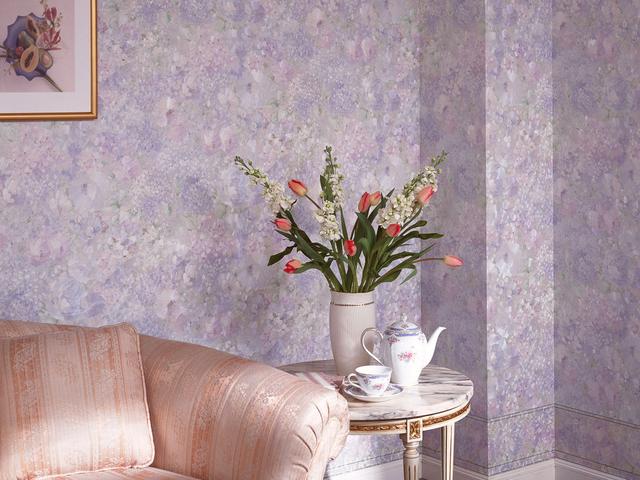
II. Regulating the Blooming Period of Potted Plants at Home
1. Raise the temperature. Whether a flowering plant blooms depends on internal flower bud differentiation and external temperature and light. For some spring-flowering varieties such as peach, crabapple, redbud, and plum blossom, flower bud differentiation is mostly complete by early winter; they are merely in a state of forced dormancy because of low temperatures. As long as the temperature is raised appropriately, they can bloom during the Spring Festival and the Lantern Festival.
2. Change the light. For short-day flowers, flower buds can only differentiate when the photoperiod is shorter than 12 hours. By using shading treatment to limit daily light exposure to 9-10 hours, flowering can be promoted.
3. Use plant growth regulators. The role of plant growth regulators is to promote flower bud differentiation and increase the number of flowers. For example, applying a 0.05%-0.1% gibberellin solution to the buds of sasanqua camellia, white magnolia, and camellia can make sasanqua camellia and white magnolia bloom 1-2 months earlier, and camellia bloom 2-3 months earlier. Spraying scarlet sage with a 0.002% gibberellin solution can produce new inflorescences in 4-5 days. Flowering plants used for regulating the blooming period must be growing robustly, and maintenance measures such as watering and fertilizing must be appropriate. Also pay attention to timely and proper ventilation.
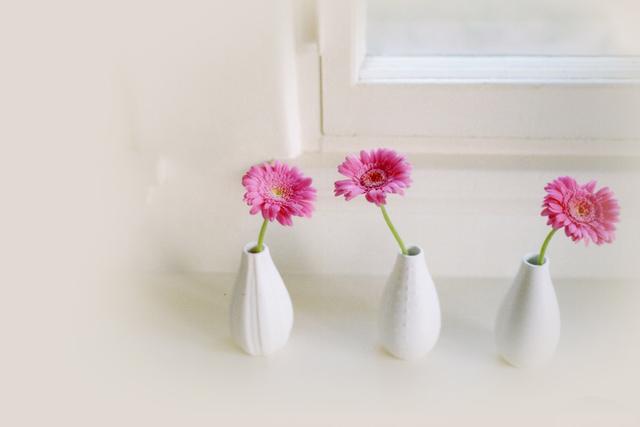
III. Taboos of Home Flower Growing You Must Know
First taboo: being careless. If you are careless, even the best flowers will gradually wither. So lazy people cannot grow flowers well.
Second taboo: loving them too much. Flowers, like people, have their own growth patterns. If you keep disturbing them when they need rest, they will naturally feel exhausted and will not grow well.
Third taboo: chasing fame and profit. Due to a lack of good maintenance conditions and management skills, flowers often die soon after being bought, which both mistreats rare and precious flowers and wastes money. This is a misconception.
Fourth taboo: failing to distinguish the good from the bad. You should choose types with a smaller plant shape, an attractive appearance, and no harm to human health to grow.
Fifth taboo: being fickle. This is a major taboo in growing flowers. First, changing varieties too quickly and growing each for too short a time is not conducive to cultivating plants with beautiful shapes and high ornamental value. Second, merely dabbling in each type of flower is not conducive to improving your flower-growing skills, and in the end you will still be a flower novice.
Sixth taboo: clinging to outdated ideas. Many flower growers still stick to traditional maintenance methods and are not good at using new technologies and new equipment in areas such as the use of flower containers, water and fertilizer management, and seedling cultivation, such as soilless cultivation, odorless flower fertilizers, and various flower containers.
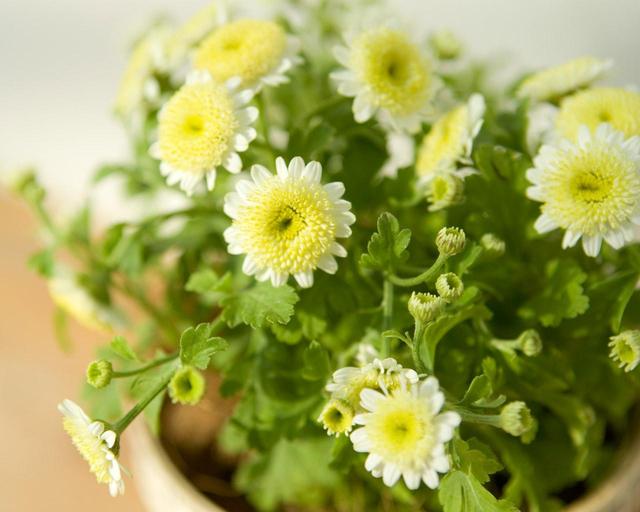
It seems that growing flowers is truly both an easy and a not-so-easy thing. It is easy because the cultivation methods are very easy to master; it is not easy because it requires a serious, responsible attitude. Still, we can tell you here that if you really do not have much time, you can also choose so-called "lazy person plants," such as cacti, cactus balls, and other succulents.
Follow WeChat ID: xiaobency. Shared every day around 9 o'clock, listened to by ten thousand people.