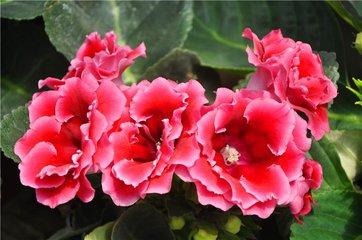
The golden water for growing flowers, so you can say goodbye to being a gardening novice forever
Many people, when faced with yellow leaves on the flowers they grow, never know what to do, and when they see other people's flowers growing like crazy, they can only feel envious. Are we really just not destined to grow flowers? Today Wutongyu will introduce a few kinds of golden water for growing flowers. Used properly, not only will your flowers grow fast, but their leaves will also be so green they shine!
1. Water with a bit of compound fertilizer or urea
In rural areas, compound fertilizer or urea is usually used for growing crops. Not only can it give a good crop harvest, but using it to grow flowers is absolutely excellent too!
How to use:
Take 3-5 granules of urea or compound fertilizer, put them in a spray bottle, fill it with water, and shake evenly until the fertilizer is completely dissolved, then pour it directly onto the roots. Applying this kind of fertilizer about once every 4 weeks can make your flowers have green leaves and grow big and lush. Compound fertilizer contains nitrogen, phosphorus and potassium and can be used on all flowers. Urea contains more nitrogen and can generally be used on foliage plants, such as pothos, money tree, spider plant, etc.
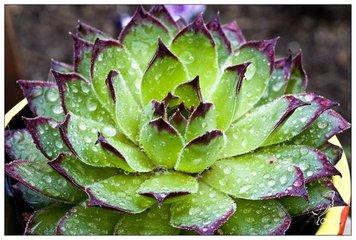
2. Water with fishy water, and the flowers will bloom in abundance
Fishy water is made by fermenting fish heads, fish scales, fish bones, etc. It is rich in phosphorus and potassium fertilizer and can make flowers bloom bigger and more numerous. It is suitable for herbaceous and woody plants such as Chinese rose, clivia, camellia, etc.
How to make it:
Wash fish heads, fish bones, fish scales, etc. clean with water, put them in a pot and boil them until soft, and do not add salt. Let them cool, put them into a prepared bottle, add clean water or water used to wash fish, do not fill it too full, leave a gap of about 5 cm, and cover with the lid. Put it in a place with scattered light and good ventilation. If you are worried about a smell, add some orange peel or pomelo peel. It takes about half a year to fully decompose.
When using it, for small seedlings take one tablespoon of the original liquid and mix it with 20 times its amount of water, then water with the diluted solution. For large pots or large plants, increase the amount appropriately. It is best to apply thin fertilizer frequently.

3. Waste oil from a range hood
Using waste oil from a range hood to grow flowers is truly amazing! It is suitable for flowers that like acidic soil, such as Christmas cactus, longevity flower, night-blooming cereus, clivia, etc.
How to use: when you normally clean the range hood, collect the oil from the oil cup into a container. Do not use the solidified oil lumps.
Use a small wooden stick to poke two or three small holes along the edge of the flower pot. Do not dig into the root system, otherwise it is easy to burn the roots. Pour the oil into the holes, filling only 1/3 of each small hole, then cover with soil. Use it only once every half a year or a year, and do not use too much.

4. Soybean residue and soybean cake water
Flower lovers who like making their own soy milk at home must never throw away the soybean residue. The soybean residue left after making soy milk, or the soybean cake left after pressing soybean oil, is a super excellent nitrogen fertilizer with strong fertility. Use it on flowers and they will sprout like crazy and grow madly, at least 3 times faster than other people's.
How to make it:
Put the soybean residue left after making soy milk into a plastic bottle, then pour in clean water. The ratio of soybean residue to clean water is 1:3.
Do not fill the water all the way up. Leave a space of 3-5 cm at the bottle mouth, then add some orange peel to the bottle to remove the smell, and cover the bottle cap. Do not tighten it, and leave a little gap to release gas.
Put the bottle in the sun to bake. Every 2-3 days, open the cap to let it breathe. After about 3-4 months, when the soybean residue water turns dark black, it means it is fully decomposed and can be used to water flowers!
When using it, you can take the upper liquid of the decomposed soybean residue water and dilute it according to the ratio of soybean residue water : clean water = 1:20, then water the flowers with it. It is especially good for large foliage flowers such as monstera, pothos, happiness tree, rubber tree, money tree, etc. And if you do not have soybean residue or soybean cake at home, you can also use various beans such as soybeans, red beans, mung beans instead!
Alright, that is all for today's sharing. Dear friends, you can start taking action now!