What edible flowers are there? An introduction to common edible flower varieties
Flowers not only play a very important decorative role in our daily lives, but some flowers can also be used as food ingredients. So, what edible flowers are there? Next, the editor will introduce edible flowers to everyone.
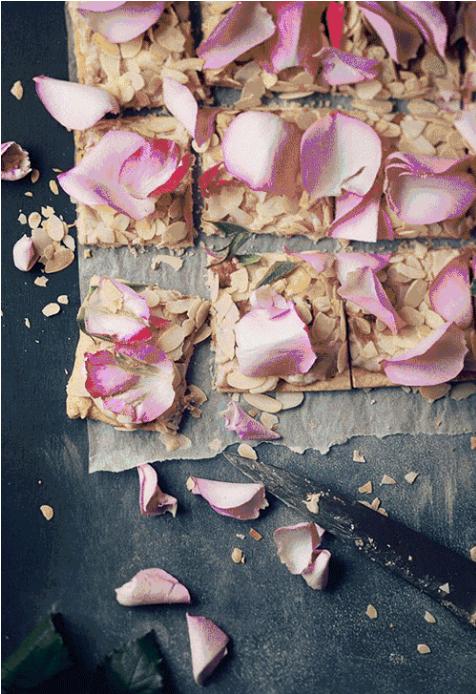
Flower dishes emerged in China as early as more than 2,000 years ago. With the development of the times, many restaurants in major cities feature flowers as signature dishes. Common flowers include: lily, jasmine, chrysanthemum, osmanthus, peony, and Dai-style bitter thorn flower, among others. Of course, the vast world does not have only the above few kinds of edible flowers. The times are progressing, and ideas are more open than ever, so keep reading.
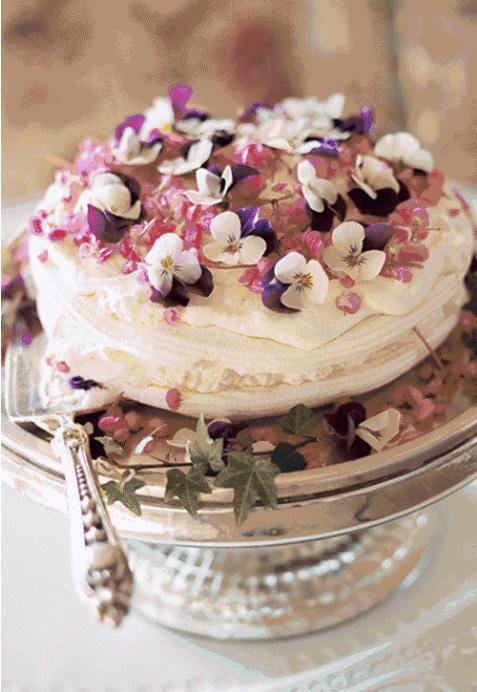
What edible flowers are there
Among the flowers commonly grown, some are edible. White magnolia, pomegranate flower, forsythia flower, honeysuckle, hibiscus, osmanthus, Chinese rose, and jasmine are all non-toxic and can be eaten or used as medicine.
Fragrant flowers include: jasmine, narcissus, Chinese rose, osmanthus, Daphne, orchid, white magnolia, lily, clove, banana shrub, honeysuckle, Aglaia, and others.
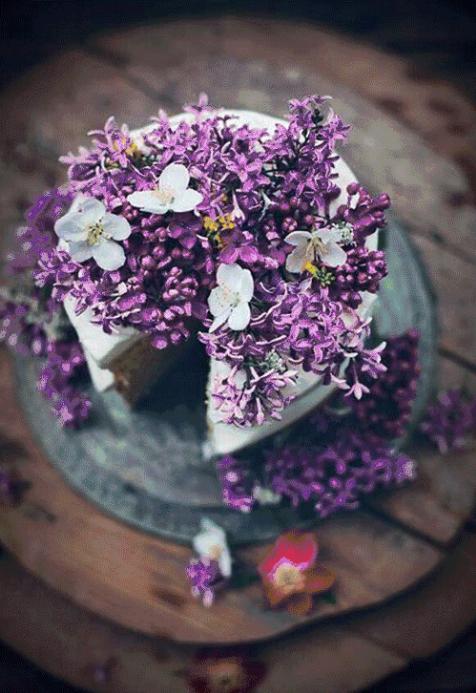
Common edible flowers include: chrysanthemum, rose, jasmine, osmanthus, lotus, cherry blossom, orchid, daylily, rapeseed flower, carnation, cauliflower, roselle, gardenia, and others.
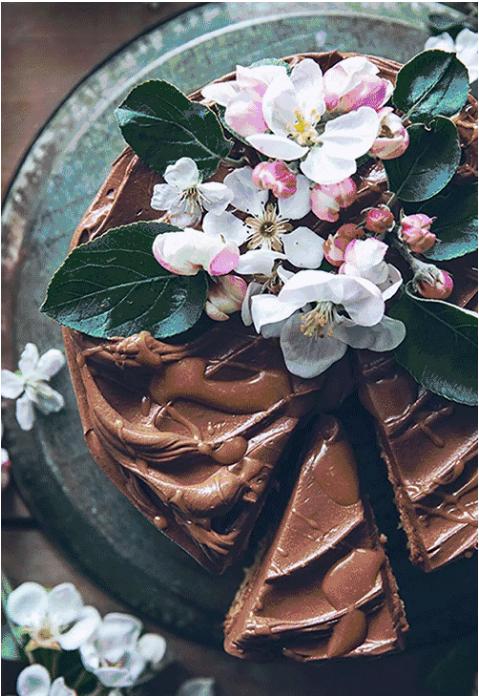
The edible parts of edible flowers include bulbs, roots, branches and leaves, flower buds, petals, and stamens. But this does not mean all flowers can be used in cooking, for example, lily. There are more than 30 varieties of lily in total, but only two varieties can be eaten, one is Lanzhou lily, and the other is Longyan lily. So when choosing flowers for cooking, you must first confirm whether they are non-toxic. For example, some flowers such as oleander, datura, and poinsettia contain components harmful to the human body and cannot be eaten casually.
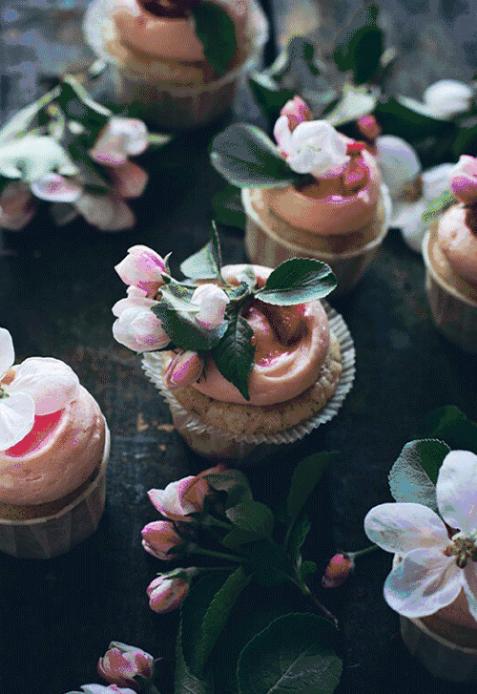
Precautions for eating flowers
1、Pay attention to whether pesticides have been sprayed.
2、It is best to choose flowers that have just bloomed.
3、When choosing flowers for cooking, you must first confirm whether they are non-toxic. For example, some flowers such as oleander, datura, bachelor's button, and poinsettia contain components harmful to the human body and cannot be eaten casually.