65 Companion Plants You Must Know About in Gardening
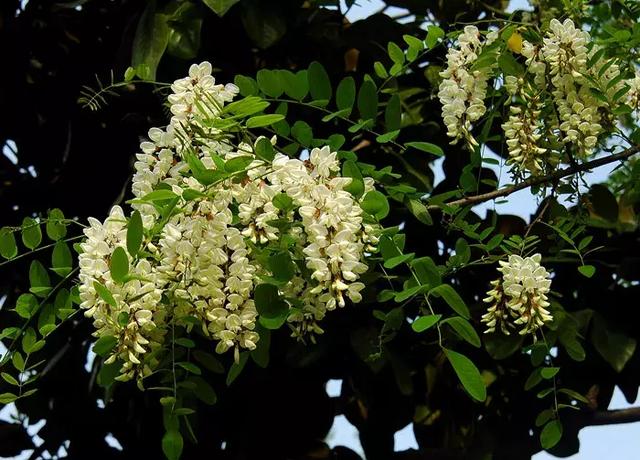
1. Aromatic substances secreted by lilac, mint, black locust and laurel affect the elongation growth of neighbouring plants.
2. The secretions of elm can make oaks develop poorly.
3. Where elm roots reach, grapes suffer severely inhibited growth and development.
4. The essential oil of cypress contains ethers and trioxane, which can poison surrounding plants, slowing their respiration and stopping their growth.
5. Walnut, clubmoss, spruce and silver fir can affect and poison many plants around them.
6. The leaves and roots of walnut and Persian walnut release and secrete water-soluble glucosyl juglone, which after hydrolysis and oxidation in the soil produces the even more toxic juglone, causing nearby pines, apples, birches, potatoes, tomatoes and many herbaceous plants beneath the trees to be harmed or killed.
7. The deciduous anthracnose fungus of walnut causes heavy leaf drop in many fruit trees.
8. Black locust strongly inhibits many fruit trees, causing them to bear no fruit year after year.
9. When peach tree remnants decay and hydrolyse in the soil, they produce large amounts of highly toxic substances such as potassium oxide and benzaldehyde, which inhibit the respiration of fruit tree roots and directly kill young fruit tree roots; peach should not be planted together with apple, pear or hawthorn.
10. The needles of Japanese red pine produce harmful substances when leached by rain and fog, making it impossible to grow crops beside pine forests.
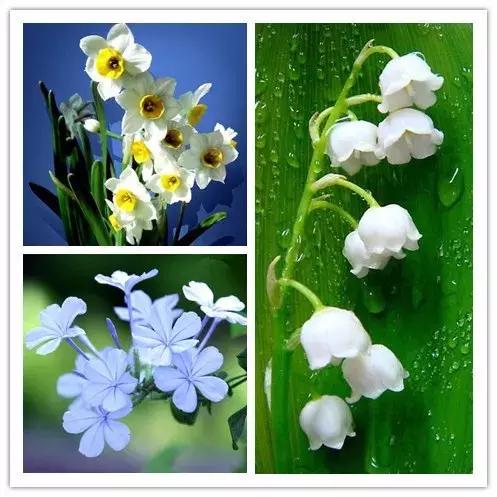
11. When lily of the valley and lilac are together, the lilac wilts.
12. When lily of the valley and narcissus are together, both suffer.
13. When lilac and narcissus are together, the narcissus's life is endangered.
14. When lilac, violet, tulip and forget-me-not are together, both sides suffer.
15. Ripe apples and bananas placed together with potted flowers or cut flowers in bud or in bloom will make the flowers fade early.
16. Elm leaves, oak and white birch cannot be intercropped.
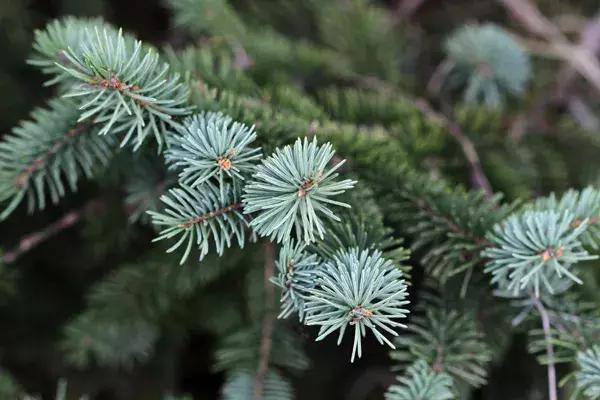
17. Trifoliate orange and spruce cannot be intercropped.
18. Oak and white birch crowd out pine.
19. The water leachate from the oak canopy makes the shrubs in the lower layer grow poorly.
20. Eucalyptus leaches out chlorogenic alkaloids, so that almost no weeds grow beneath the trees.
21. Black locust can inhibit the growth of many kinds of weeds.
22. The essential oils secreted and volatilised by plants of the genus Mentha and the genus Artemisia hinder the growth of legume seedlings.
23. Grapes grow poorly near tomatoes.
24. The volatiles from the underground parts of tomato and the secretions from its roots inhibit the seed and seedling growth and development of various vegetables.
25. Black pine and buffalo grass cannot be planted together, because both are deep-rooted plants and will compete with each other for groundwater, causing the pines to grow poorly.

26. Spruce has an autotoxic effect, causing continuous cropping obstacles.
27. Pine cannot be planted together with oak or chestnut, as this will induce pine-oak blister rust.
28. Two-needle pines such as Chinese pine, masson pine and Huangshan pine cannot be planted together with many plants such as peony and red peony of the Paeoniaceae, Scrophulariaceae, Ranunculaceae, Verbenaceae, Proteaceae, Balsaminaceae, Asclepiadaceae, Acanthaceae and Tropaeolaceae, as this will induce two-needle pine cone rust.
29. Chinese pine and Amur cork tree cannot be planted together, as this will induce Chinese pine needle rust.
30. Five-needle pines such as safflower pine, Huashan pine and blue pine cannot be planted together with gooseberry or prickly pear, as this will induce five-needle pine cone rust.
31. Spruce and bird cherry cannot be planted together, as this will induce spruce-bird cherry cone rust.
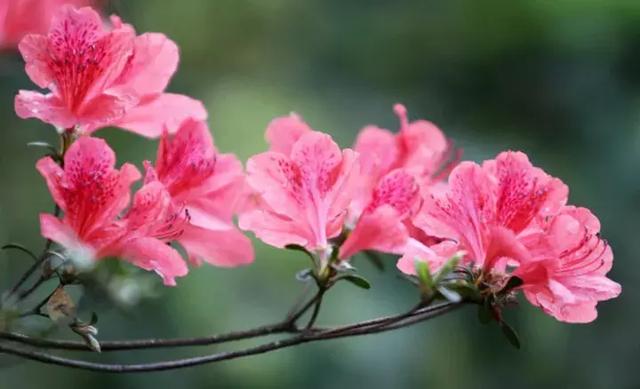
32. Spruce cannot be planted together with rhododendron or Labrador tea, as this will induce spruce needle rust.
33. Red-barked spruce cannot be planted together with Xing'an rhododendron, as this will induce red-barked spruce needle rust.
34. Qinghai spruce cannot be planted together with Qinghai rhododendron, as this will induce Qinghai spruce needle rust.
35. Junipers cannot be planted together with apple, pear, hawthorn, apple rootstock or Chaenomeles speciosa, as this will induce apple-juniper rust and pear-juniper rust.
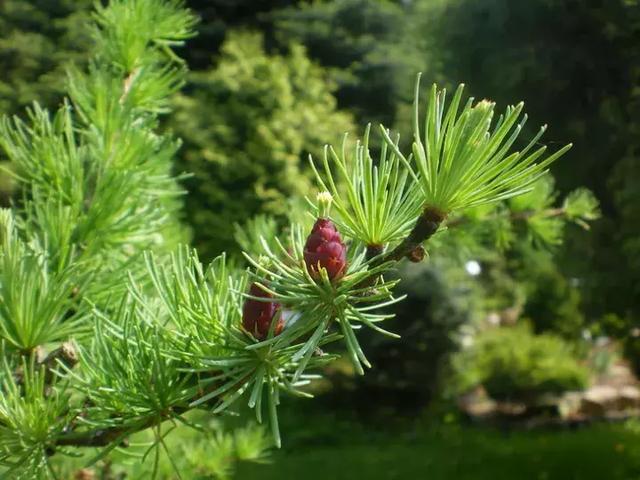
36. Larch and poplar cannot be planted together, as this will induce poplar leaf rust.
37. Weeping willow cannot be planted together with Corydalis, as this will induce rust on weeping willow.
38. Black locust must not be planted in apple and pear areas, because black locust is the overwintering site of the apple and pear anthracnose pathogen, and is also an intermediate host of root violet root rot, and it also easily attracts stink bugs of apple, pear and peach.
39. Fine-leaved zoysia grass and Chinese fevervine planted together will induce rust on fine-leaved zoysia grass.
40. Korean pine and spruce planted together are prone to Korean pine cone aphids.
41. Larch and spruce planted together are prone to larch cone aphids.
42. Fir and spruce planted together are prone to fir adelgids.
43. When poplars are near fruit trees, poplar canker and fruit tree ring rot easily occur.
44. Planting Paulownia around fruit trees easily triggers violet root rot of the fruit tree roots, with leaves turning yellow and drying up.
45. Planting mulberry, paper mulberry, oak or Chinese hackberry around poplar and apple growing areas easily leads to major outbreaks of mulberry longhorn beetle, because after the adult mulberry longhorn beetle emerges from its hole it must supplement its nutrition, and can only lay eggs after feeding on mulberry, paper mulberry, oak or Chinese hackberry; feeding only on Chinese white poplar or apple branches and leaves does not allow it to lay eggs.
46. Elm should not be planted around citrus orchards and vineyards, because elm is a preferred feeding tree species of the citrus longhorn beetle and the orange-brown longhorn beetle.
47. Smelling oleander flowers for too long easily makes people drowsy and reduces their mental acuity, and induces respiratory and digestive system diseases; its milky white liquid can cause poisoning after prolonged contact.
48. The fragrance given off by Chinese rose, when smelled for a long time, makes people feel uncomfortable, short of breath and breathing with difficulty.
49. Tulip flowers contain a toxin; prolonged contact can make people dizzy and poisoned, with sparse eyebrows and accelerated hair loss.
50. The sap of narcissus can redden the skin, and the bulb contains lycorine toxin, which causes vomiting if eaten.
51. The whole plant of corn poppy is toxic, and the fruit is even more toxic.
52. The whole plant of poinsettia is toxic, and its white sap reddens and swells the skin.
53. Calla lily flowers contain alkaloids and are toxic; if eaten by mistake they cause coma.
54. The milky sap of crown of thorns is toxic and prevents people from sleeping.
55. The flowers and leaves of Lantana camara are toxic; if eaten by mistake they cause diarrhoea and fever.
56. The whole plant of coral bean is toxic; eating its red seeds is very dangerous.
57. Nandina contains nandine and the whole plant is toxic; if eaten by mistake it causes diarrhoea and fever.
58. Mimosa contains mimosine; too much contact causes general discomfort, yellowing and falling hair, and sparse eyebrows.
59. Garden balsam promotes diseases of the nasopharynx and oesophagus.
60. The secretions from the fine hairs of geranium, on contact with people, cause skin allergies and itching in some individuals.
61. The emissions of night-blooming jasmine make people mentally excited and unable to calm down and fall asleep, and can also make patients with high blood pressure and heart disease prone to dizziness, depression and discomfort, coughing and wheezing, and even worsen their condition.
62. Rohdea japonica contains toxic enzymes; the sap of its stems and leaves is strongly irritating to the skin, and if bitten by mistake it strongly irritates the oral mucosa, causing throat oedema and even vocal cord paralysis and loss of voice.
63. The rich fragrance of lily and orchid, when smelled for a long time, easily causes dizziness, insomnia, coughing, wheezing and momentary dullness.
64. In cacti and ball cacti, the spines on the leaf surfaces are all toxic and easily cause skin inflammation, redness, swelling, pain and itching that is hard to bear.
65. The pollen or sap of Lantana camara, crab cactus, monstera leaf, tiger thorn, Euphorbia neriifolia, crinum lily, snow-on-the-mountain, corn poppy, Lycoris radiata, agave and hyacinth, among others, is toxic to humans.
Editor: Ma Ming