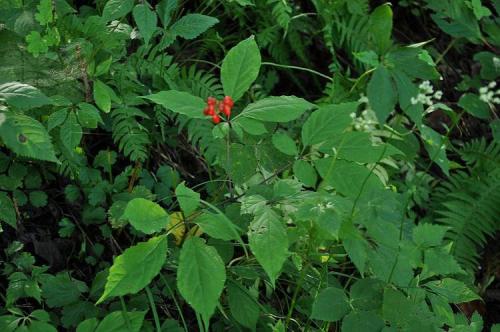
What Are the Common Diseases of Ginseng? Detailed Guide to Prevention and Control Methods
For many people, the process of growing ginseng is an exciting endeavor. Whether grown in containers at home or cultivated as a source of income, this rare plant is highly prized - so much so that many states have strict regulations on the growing and sale of ginseng roots.
Before planting ginseng, gardeners can learn more about the specific laws in their state by contacting the local department of agriculture and department of natural resources. Growing from rather expensive seeds, it is easy to imagine that growers become quite panicked when faced with diseased ginseng plants. Troubleshooting Ginseng Diseases Although ginseng can be grown in most parts of the United States, several plant disease problems may arise.
Like many plants, ginseng requires very specific growing conditions to truly thrive. When these conditions are not met, this can lead to various fungal problems. The sudden appearance of symptoms may leave growers wondering, “What is wrong with my ginseng?” Common Diseases of Ginseng The most common ginseng diseases are spot disease and Phytophthora disease. Alternaria blight appears as black circular spots on the ginseng leaves and lesions at the base of the plant stems. As the disease progresses, the plant may begin losing its leaves prematurely, or even collapse entirely as the stems weaken. This will lead to reduced root yield of the plant and ultimately lower yields at harvest season.
Another fungal disease, Phytophthora, is caused by a fungus called Phytophthora cactorum. Like Alternaria blight, Phytophthora usually first appears as irregular leaf spots. Affected leaves may dry up and drop from the plant. This fungal disease can cause the plant's roots to begin rotting, causing the plant to fall over. Ginseng Disease Control When it comes to ginseng disease control, growers have a few options. While those growing ginseng for commercial purposes may be able to use fungicides to control these problems, such fungicides are generally not available to home growers.
Home growers are able to combat these forms of blight by maintaining proper garden hygiene. Plants showing signs of disease should be removed and destroyed. To prevent further spread of the disease, all tools and equipment should be cleaned. In addition to these methods, paying attention during planting will help prevent the development of these fungal problems. Ensuring plants are adequately spaced will allow for proper air circulation. Combined with a well-drained planting site, this will help avoid root rot and other foliar diseases.