Cultivation and care methods for Hibiscus mutabilis, suitable for garden planting
Hibiscus mutabilis, also known as the frost-defying flower, is a close relative of rose of Sharon (Hibiscus syriacus) and Chinese hibiscus (Hibiscus rosa-sinensis). It is a deciduous shrub or small tree in the mallow family (Malvaceae), genus Hibiscus. Its flowers resemble peonies and bloom proudly in the frost, making it extremely beautiful.
China is the homeland of Hibiscus mutabilis. Apart from cold regions such as the Northeast and Northwest, it is found throughout the country, with Hunan and Sichuan being particularly abundant. People often plant it beside ponds and along water edges, creating the garden landscape known as "Hibiscus mutabilis reflected in water." Besides its ornamental value, the flowers and leaves of Hibiscus mutabilis can be used medicinally, with properties that clear heat, detoxify, and reduce swelling.
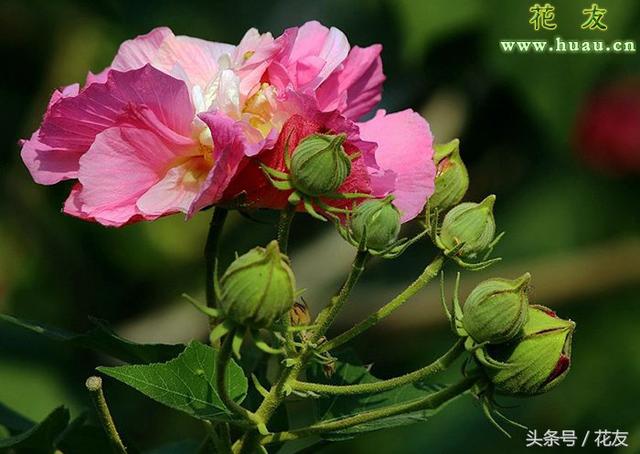
Hibiscus mutabilis
Hibiscus mutabilis can be divided into two major categories: wild species and horticultural varieties. In terms of flower form, there are single-petaled and double-petaled types. Most wild species have single petals, while cultivated varieties are mostly double-petaled. Hibiscus mutabilis flowers generally open in the morning and wither by evening. They begin as white in the early morning, turn pink by noon, then gradually become red in the afternoon, and close and wither when they reach deep red. People describe this as "jade-like at dawn, rosy as sunset glow," calling it the "drunken Hibiscus mutabilis." Some Hibiscus mutabilis flowers open deep red first, then turn white, pale yellow, pink, purple, and so on. They can bloom for several consecutive days, changing color day by day, and even a single flower can display different colors. Because each flower opens at a different time, a single Hibiscus mutabilis plant often bears white, pale yellow, and pink flowers simultaneously, creating a dazzling display.
Flower friends: 10 of the most beautiful flowers
Hibiscus mutabilis is a deep-rooted plant with thick, slightly fleshy roots. It prefers warm, humid environments with ample sunlight, and is also drought-tolerant and slightly shade-tolerant. It is a robust grower with modest soil requirements, growing best in loose, breathable, well-draining sandy loam. For cultivation, choose a location with good ventilation and fertile soil, ideally near water.
The routine management of Hibiscus mutabilis is relatively simple. Water should be given during droughts, and more fertilizer and water are needed during the spring budding period. A small amount of phosphorus and potassium fertilizer should be applied before and after the flowering period. Each winter or spring, trenches can be dug around the plant and decomposed organic fertilizer applied to promote vigorous growth and abundant blooms with lush foliage. When the flower buds begin to show color, watering should be appropriately reduced to control leaf growth and concentrate nutrients in the flowers.
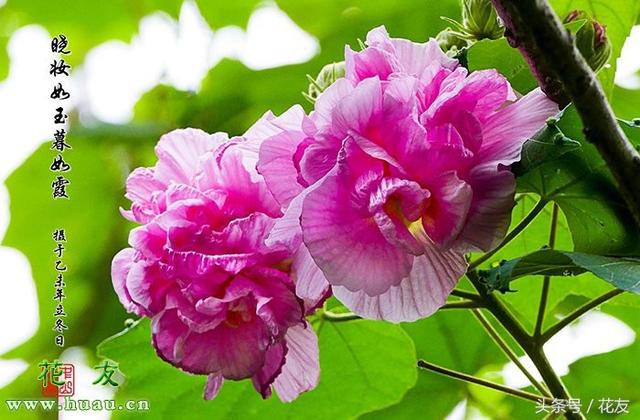
Hibiscus mutabilis
Hibiscus mutabilis grows vigorously and has strong sprouting ability, producing many tangled branches that should be pruned and disbudded promptly. It tolerates pruning well and can be shaped into either a tree or a shrub form as desired. Pruning should be done after flowering and before spring budding, removing dead branches, weak branches, and inward-growing branches to ensure good ventilation and light penetration within the canopy. For plants grown in the ground in cold regions, the tender branches may die in winter, but in the following spring they will sprout even more new shoots. Therefore, it is best to train the plant into a shrub form.
For potted Hibiscus mutabilis, choose a relatively large porcelain pot or unglazed clay pot. The potting soil should be loose, fertile, and well-draining with good aeration, and sufficient water is needed during the growing season. In winter, move it indoors to overwinter at temperatures of 0°C-5°C to ensure full dormancy, which benefits flowering the following year.
Flower friends: Living room plants and feng shui
Hibiscus mutabilis can be propagated by cuttings, division, or seeding. Cuttings are best taken from February to March. Choose moist sandy loam or clean river sand, and use healthy 1-to-2-year-old branches 10 to 15 cm long as cuttings. Before inserting, soak the base of the cuttings in a potassium permanganate solution at a concentration of 3 to 4 g/L for 15 to 30 minutes. The insertion depth should be 2/3 of the cutting length. After inserting and watering, cover with plastic film to keep warm and maintain soil moisture. Roots will form in about 1 month, and flowers will appear the following year.
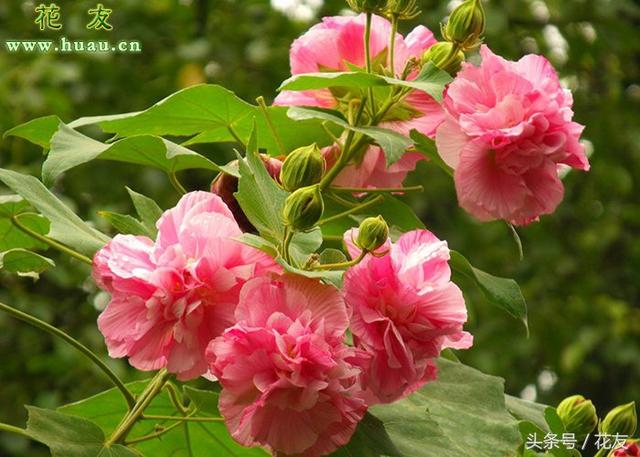
Hibiscus mutabilis
Division propagation is best done in early spring before budding. Dig up a vigorous mother plant with abundant suckers, divide it, and replant the sections separately.
For seed propagation, collect fully mature Hibiscus mutabilis seeds after autumn and store them in a cool, ventilated place until the following spring for sowing. The seeds of Hibiscus mutabilis are tiny and can be mixed with fine sand before broadcasting.
The soil in the seedbed should be fine. After sowing, cover with soil, sprinkle with water, and keep the seedbed moist. Seedlings generally emerge after 25-30 days, and can be transplanted the following spring. Common pests of Hibiscus mutabilis include aphids, red spider mites, and armored scale insects. They are most likely to occur in high-temperature seasons, especially during drought and poor ventilation. In addition to timely spraying for pest control, the plants should be watered promptly and given necessary thinning and pruning.
Friends interested in growing flowers can follow: Flower Friends, where wonderful articles on flower growing and flower appreciation are shared with you every day, and fellow flower enthusiasts can enjoy the sea of flowers together with you. Submission email: huaucn[email protected].