Succulent Plant Variety Appreciation: Presented by New Oriental Horticulture
New Oriental Horticulture specializes in cultivating old-stem succulents, with a large number of one-plant-one-photo old stems. The garden holds more than 300 kinds of succulents, all seedlings legally introduced from domestic and international sources, self-propagated and grown under localized standard facility cultivation, with an annual output of up to 10 million succulent plants.
Many people love succulents very much; they are not only cute and charming, but also extremely tenacious in vitality. How much do you know about succulents? Come and appreciate succulents together with the editor of New Oriental Horticulture.
Gymnocalycium denudatum
Belongs to the Cactaceae family, suitable for planting in spring and autumn. Propagation methods: cuttings, division.
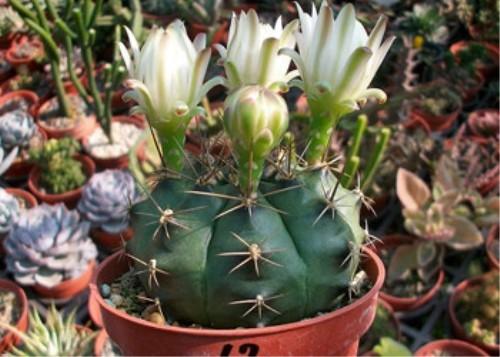
The shape is spherical, flat-spherical or short-cylindrical. Mature plants tend to easily produce offsets under certain conditions. Roots: fibrous roots, no tuberous roots. Spines: grayish-white or pale yellow, 5 ~ 8 spines, no central spine. Tubercles: arranged on the ribs. Number of ribs: 10~11 ribs. Flowers: white or with a tiny bit of pink, blooming on the areoles near the growing point, can last several days, and may bloom throughout the year. Cultivation: recommended partial shade to full sun or half-day sun, in a ventilated spot. Use a well-draining medium; in winter, reduce watering or stop supplying water. Other notes: grows relatively fast and needs more frequent fertilizing.
Sedum lineare 'Variegatum'
Belongs to the Crassulaceae family, suitable for planting in spring and autumn. Propagation methods: cuttings, division.
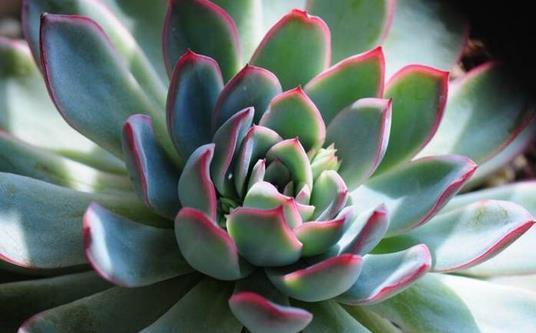
Sempervivum genus, quite similar to Sempervivum tectorum (hens and chicks); the difference is that the leaves are harder, the color is more blue, the leaf tips are red, and the color does not fade. A very tenacious plant, extremely drought-tolerant!