What are the cultivation methods and precautions for water lilies?
The water lily is a beautiful plant. If you have enough space at home, growing water lilies is a very pleasing thing to do. Below, let's look at the cultivation methods for water lilies and the precautions for growing them.
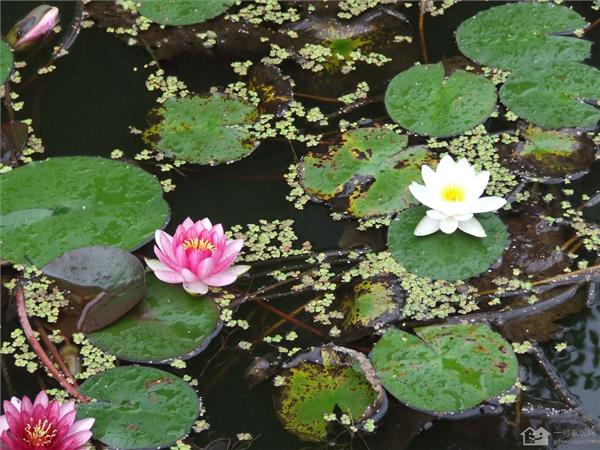
Cultivation methods for water lilies:
1. Soil: Water lilies are not strict about soil quality and can grow normally at a pH of 6-8, but they prefer loamy soil rich in organic matter. During the growing season, the pond water depth should preferably not exceed 80 cm.
2. Water: When planting water lilies in summer, fill with water to a depth of about 25 cm and maintain this depth regularly. In hot seasons, pay attention to keeping the water in the pot clean. When the water in the pot becomes turbid, promptly remove the dirt and replace it with fresh water.
3. Sunlight: Water lilies like sunlight and good ventilation, so tropical and hardy water lilies that bloom during the day will close their flowers at night and open again in the morning. In ponds with shade from trees along the bank, they may still bloom, but their growth will be weaker.
4. Temperature: Around the Cold Dew solar term, pour out the water in the water lily pot and place it in a cold room at about 3°C to overwinter, keeping the pot soil moist without freezing.
5. Fertilizing: When fertilizing water lilies during the growing period, be careful not to apply liquid fertilizer, as it not only pollutes the water but also causes fertilizer damage. Simply bury a small amount of dry cake fertilizer powder directly into the soil.
6. Pests: Water lily leaves are easily attacked by leaf-eating pests such as noctuid moths, causing damage to the leaf surface and reducing photosynthesis, which will inevitably affect flowering. Timely prevention and control are necessary.
Precautions for growing water lilies:
1. Pruning water lilies: After water lilies bloom, remove spent flowers and dead leaves to keep the plant looking neat.
2. For water lily cultivation, strengthen fertilizer and water management, apply sufficient decomposed organic fertilizer, and topdress timely and appropriately, combining organic fertilizer with chemical fertilizer and nitrogen fertilizer with phosphorus and potassium fertilizer.
3. When harvesting water lilies, remove diseased and residual plants, bury them deeply or burn them in a centralized manner to reduce sources of bacteria.
4. During the water lily growing season, collect diseased and residual matter and bury or burn it.
The above is the relevant introduction in this article. I believe after reading it you also have a simple understanding of this. If needed, you can continue to follow No.1 Home Network to learn more information.