How to Grow Cacti? A Complete Guide to Cultivation Methods and Precautions
The cactus is a lovely plant that is easy to grow, but if you want to grow cacti well, it still takes some effort. Below, let's look at cactus cultivation methods and cactus cultivation precautions.
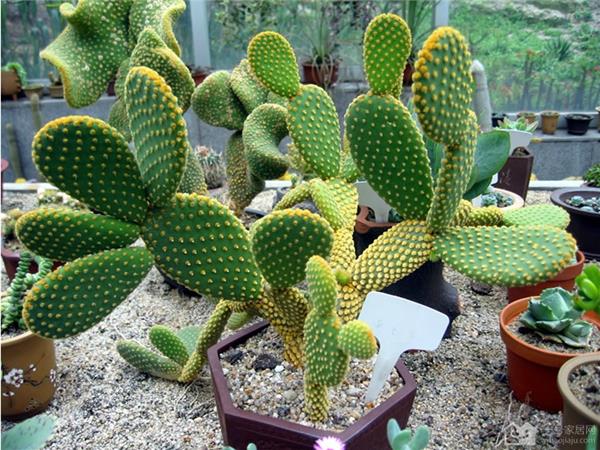
Cactus cultivation methods:
1. Soil: Potted cacti generally require calcareous sandy soil or sandy loam with good drainage and aeration. Soil that is overly fertile or contains too many soluble salts can easily cause root rot and cause damage. The mixing ratio of the growing medium should also be adjusted in practical application according to the species of cactus, plant size, climate conditions and other differences. For example, young plants need large amounts of nitrogen fertilizer and water during the growing season, so the proportion of leaf mold in the growing medium should be appropriately increased. In areas with higher rainfall and high air humidity, the proportion of river sand can be increased to keep the potting soil well aerated and well drained.
2. Fertilizing: During the cactus growing season, appropriate fertilizing is needed, especially for seedlings and grafted plants with well-developed rootstock root systems. For topdressing, fully decomposed soybean cake water, fish intestine water, rotten egg water and other liquid fertilizers can be used, and attention must be paid to concentration: if too dilute, the effect is small; if too concentrated, it easily burns the roots. The method for making liquid fertilizer in home cultivation is to put crushed soybean cake, fish intestines and the like into a wide-mouth bottle with a lid, add 2 to 4 times the amount of water, leave one third of the bottle's upper space empty, and let it ferment. After it is decomposed, add water to the clarified liquid from the upper part at 10 to 20 times dilution, and apply once every 15 days.
3. Watering: The amount of water given to cacti should be proportional to air temperature. During the growing season from May to October, adopt a high-moisture management approach. In midsummer, when temperatures are high and evaporation is great, watering is needed every day, and the best times for watering are early morning and evening. In the rainy season, air humidity is high and evaporation is low, so the potting soil should be kept at half moisture to prevent root rot and stem rot. From late autumn onward, as temperatures drop, watering should be reduced accordingly. In winter, moisture must be strictly controlled, and it is enough to keep the soil from becoming excessively dry. The lower the temperature, the more the potting soil should be kept dry. Generally, water once every 1 to 2 weeks, before noon on sunny days, and be careful not to let water touch the cactus stem, otherwise it easily causes stem rot.
4. Temperature: The suitable temperature for cactus growth is 20 to 30°C, with a maximum not exceeding 35°C and a minimum not lower than 5°C. In winter, keeping the temperature above 5°C is enough for safe overwintering, and the drier the potting soil, the more cold-resistant the plant is. Winter temperatures should be relatively stable; if the day-night temperature difference is too large, frost damage easily occurs. When spring temperatures reach above 15°C, growth begins; when midsummer temperatures reach above 35°C, the plant begins to enter dormancy; after autumn arrives, growth resumes.
5. Light: Cacti are sun-loving plants and belong to the strong positive type; only under strong sunlight can they produce brilliant flowers. Therefore, they should be given ample light, especially in winter when full light is even more necessary. Generally, tall columnar and flat-shaped cacti are more tolerant of strong light, and in summer they can be placed outdoors without shade. However, smaller spherical types and ordinary cactus seedlings grown from seed should be kept in partial shade, avoiding direct strong light in summer.
Cactus cultivation precautions:
1. Young cactus plants should be repotted once a year. Mature plants do not need repotting every year. However, after a certain period, the nutrients in the pot tend to become exhausted, the root system fills the potting soil, or because of frequent watering the potting soil becomes hard and compacted, which is unfavorable for drainage and aeration and easily causes root rot. Therefore, generally repot once every 2 to 3 years. For fast-growing varieties, the new pot can be somewhat larger than the original pot when repotting; it is suitable if the original pot can fit inside the new pot. During cultivation, the surface soil of the pot should often be loosened so that the soil is well aerated, which benefits root growth.
2. Plants that are kept with a certain degree of dryness and sufficient light in cultivation management have lighter stem color and slower growth, but their areoles and spines are well developed, thick and beautiful. Plants that are often kept under high temperature, high humidity and relatively poor light conditions grow rapidly, have soft stems and bright colors, but their areoles and spines are not well developed and their color characteristics are not obvious; for example, red spines often turn blackish brown. Therefore, the amount of watering should also be adjusted according to the purpose of cultivation.
3. The water quality used for watering and misting should preferably not contain excessive sodium chloride and other salts. Generally, rainwater and well water are both acceptable, but the water temperature should not be too low; it is best if it is close to the air temperature. Tap water should be placed in a vat for 1 to 2 days before use. If fish are kept at home, using aquarium water to water potted flowers is even more suitable.
The above is the related introduction in this article. I believe that after reading it you also have a simple understanding of this. If needed, you can continue to follow No. 1 Home Network to learn more information.