How to grow a cloud pine bonsai? Detailed growing steps
The cloud pine bonsai is a small plant used as a home decoration, and many people like to grow it. Below, see how to grow a cloud pine bonsai and the growing steps for a cloud pine bonsai.
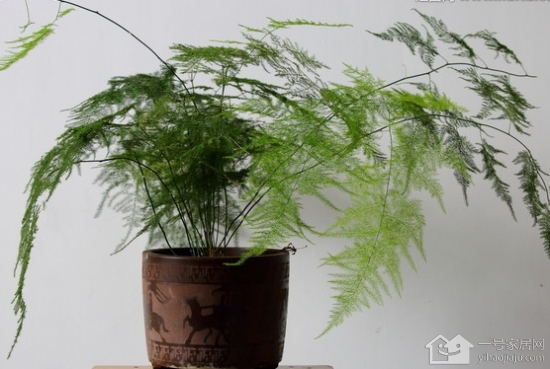
Growing steps
1. Soil: For potting a cloud pine bonsai, the soil should be sandy soil with good drainage and aeration, rich in organic matter, and slightly acidic. It is generally common to mix leaf mold with yellow loam (or black mountain soil) and sandy soil in a ratio of 6:3:1. The potting soil must not be alkaline, otherwise growth will be unfavorable and the cloud pine will turn yellow and drop.
2. Repotting: When a cloud pine is first potted, it is best to use an unglazed earthenware pot because it has good aeration and makes it easier to survive. After it has settled in, switch to a purple clay ceramic pot with an antique form and deep color. Potted soil should be changed once every 3-4 years, and the best time for changing the soil is from late February to early April or from September to mid-October. When repotting, some old roots should be properly pruned and the plant should be watered thoroughly.
3. Watering: The cloud pine is most afraid of waterlogging damaging its roots, so watering should be moderate and not excessive. The leaves should be sprayed with water frequently, and soil moisture should be kept between 15% and 30%; natural water is best. Generally, in spring and autumn, water once a day; in summer, twice a day; in winter, once every few days. At the same time, it should also be handled flexibly according to weather changes.
4. Fertilizing: For the cloud pine, it is best to use the method of light fertilizer applied sparingly, and fully rotted cake fertilizer is suitable. Mature plants should be fertilized in spring and autumn. Spring fertilizer should be applied 2-3 months before budding, once every 10 days, at a concentration of about 15%, to promote budding and branch growth. In July-August, when the weather is hot, apply a 10% dilute fertilizer solution about once every half a month, and apply it in the morning or evening. September is the stage when the cloud pine grows thickest fastest, so autumn fertilizer can be somewhat stronger (the fertilizer concentration can be increased to about 25%) to promote more axillary buds, fewer flower buds, and at the same time provide enough nutrients for stem and branch growth. Fertilizing must stop after the end of October. In addition, fertilizing should also depend on the weather: if it has rained for a long time and just cleared, do not fertilize immediately; if it has been clear and rainless for a long time, water first, then fertilize after 2-3 days.
5. Light: The cloud pine is a strongly sun-loving plant. Usually the flower pot should be placed in a dry, ventilated, sunny place for care, as both excessive moisture and excessive shade are unfavorable to its growth. For cloud pine seedlings potted for 1-2 years, apart from appropriate shading at the hot midday in summer to prevent the needles from being overexposed to the sun and causing scorched leaves, at other times they should all be placed outdoors in the open to fully receive sunlight. In this way, the cloud pine bonsai will have dense, deep green branches and leaves, high ornamental value, and few pests and diseases. 6. Pest and disease control. When cultivating cloud pine, if care is improper, it is prone to damage from leaf blight, pine needle cast, pine shoot borers, scale insects, and other pests and diseases. If leaf blight or pine needle cast is found, diseased leaves should be removed promptly and a 50% thiophanate-methyl wettable powder 800-fold solution should be sprayed; if pine shoot borers or scale insects are found damaging shoot tips and eating needles, an 80% dichlorvos emulsifiable concentrate diluted 1000-fold with water can be sprayed for control.
The above is the relevant introduction in this article. I believe that after reading it, you also have a simple understanding of this. If needed, you can continue to follow No.1 Home Network to learn more information.