How to grow calla lilies? A full breakdown of growing methods and precautions
To grow a potted plant well, what is needed most is care, and the same is true for growing calla lilies, so that you can grow very beautiful calla lilies. Below, let's look at how to grow calla lilies well and the precautions for growing calla lilies.
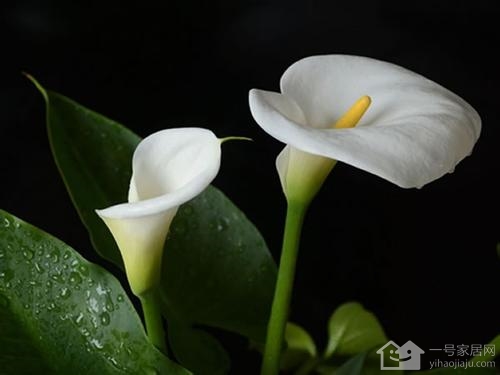
We should first determine the care environment. Calla lily is a perennial robust herb in the Araceae family, genus Zantedeschia, similar to Alocasia macrorrhizos, and it likewise likes a warm, humid environment with plenty of sunlight, and is not tolerant of cold or drought.
The normal growing temperature for calla lilies is 15°C-25°C. If the temperature is too high or too low, it will enter dormancy, so during daily care we should pay attention to temperature control. Of course, it is not that strict, but never let it suffer frost damage.
Next let's talk about soil. For calla lilies, it is best to grow them in sandy soil. Usually, just keep the potting soil moist; there is no need for waterlogging. Of course, other media can also be used as substitutes, as long as they have a certain degree of air permeability and water permeability. Just pay attention to controlling the water content at ordinary times.
Calla lilies like moisture. After leaves grow, from mid-autumn to the following spring, they should be watered frequently, and it is best to keep the potting soil on the moist side without becoming waterlogged (standing water). Also frequently mist the leaf surface and sprinkle water on the nearby ground to increase air humidity and benefit their growth. But whether misting or sprinkling, avoid spraying water on the flowers and prevent water from flowing into the leaf center, otherwise it can easily lead to soft rot of the leaves. In winter, use water close to room temperature for watering and misting. In late May, the amount of watering should be reduced to promote dormancy. After the leaves turn yellow, stop watering and place the calla lily in a cool, ventilated place where rain cannot reach it.
Calla lilies like sunlight, prefer long light, and dislike strong light. From leaf growth in mid-autumn until flowering in winter and spring, they should receive plenty of sunlight. Especially after being moved into a shed in winter, they should be given full light and kept above 10°C. Buds begin to emerge from New Year's Day to before Spring Festival, and the full bloom period is reached from March to April. If light is insufficient in winter, the flowering period is delayed, or only buds emerge without blooming, and the buds may even gradually turn green and shrivel. In late May, move them to a ventilated, cool place. The high-temperature period in summer is their dormant period, so reduce watering and fertilizing, and provide appropriate shade when sunlight is strong.
For calla lily propagation, we can choose division or corm division propagation. For division propagation, after the main flowering period or after the dormant period, dig up the tubers of the vigorous clustered mother plant. According to the size of the original tubers and the number of buds, cut one clump into 2-3 clumps. Each clump must carry 2-3 buds and be planted separately. With normal management, they can bloom after 3 months. For corm division propagation, dig up the tubers during the dormant period. After normal division, some smaller tubers will also be cut off. These small tubers must be cultivated in the open field for 1-2 years before they can become flowering corms.
To grow calla lilies well, you need to pay attention to several basic points: environment, soil, fertilizer, watering, and so on.
We should first determine the care environment. Calla lily is a perennial robust herb in the Araceae family, genus Zantedeschia, similar to Alocasia macrorrhizos, and it likewise likes a warm, humid environment with plenty of sunlight, and is not tolerant of cold or drought.
The normal growing temperature for calla lilies is 15°C-25°C. If the temperature is too high or too low, it will enter dormancy, so during daily care we should pay attention to temperature control. Of course, it is not that strict, but never let it suffer frost damage.
Next let's talk about soil. For calla lilies, it is best to grow them in sandy soil. Usually, just keep the potting soil moist; there is no need for waterlogging. Of course, other media can also be used as substitutes, as long as they have a certain degree of air permeability and water permeability. Just pay attention to controlling the water content at ordinary times.
Calla lilies like moisture. After leaves grow, from mid-autumn to the following spring, they should be watered frequently, and it is best to keep the potting soil on the moist side without becoming waterlogged (standing water). Also frequently mist the leaf surface and sprinkle water on the nearby ground to increase air humidity and benefit their growth. But whether misting or sprinkling, avoid spraying water on the flowers and prevent water from flowing into the leaf center, otherwise it can easily lead to soft rot of the leaves. In winter, use water close to room temperature for watering and misting. In late May, the amount of watering should be reduced to promote dormancy. After the leaves turn yellow, stop watering and place the calla lily in a cool, ventilated place where rain cannot reach it.
Calla lilies like sunlight, prefer long light, and dislike strong light. From leaf growth in mid-autumn until flowering in winter and spring, they should receive plenty of sunlight. Especially after being moved into a shed in winter, they should be given full light and kept above 10°C. Buds begin to emerge from New Year's Day to before Spring Festival, and the full bloom period is reached from March to April. If light is insufficient in winter, the flowering period is delayed, or only buds emerge without blooming, and the buds may even gradually turn green and shrivel. In late May, move them to a ventilated, cool place. The high-temperature period in summer is their dormant period, so reduce watering and fertilizing, and provide appropriate shade when sunlight is strong.
For calla lily propagation, we can choose division or corm division propagation. For division propagation, after the main flowering period or after the dormant period, dig up the tubers of the vigorous clustered mother plant. According to the size of the original tubers and the number of buds, cut one clump into 2-3 clumps. Each clump must carry 2-3 buds and be planted separately. With normal management, they can bloom after 3 months. For corm division propagation, dig up the tubers during the dormant period. After normal division, some smaller tubers will also be cut off. These small tubers must be cultivated in the open field for 1-2 years before they can become flowering corms.
The above is the relevant introduction in this article. I believe that after reading it, you also have a simple understanding of this. If needed, you can continue to follow No. 1 Home Network to learn more information.