How to Water Aloe Vera? A Comprehensive Guide to Watering Basics
Many people who grow aloe vera don't have a particularly good understanding of how to water it, and problems often arise during the growing process. Today, let's briefly go over some key points about watering aloe vera. Let's take a look together.
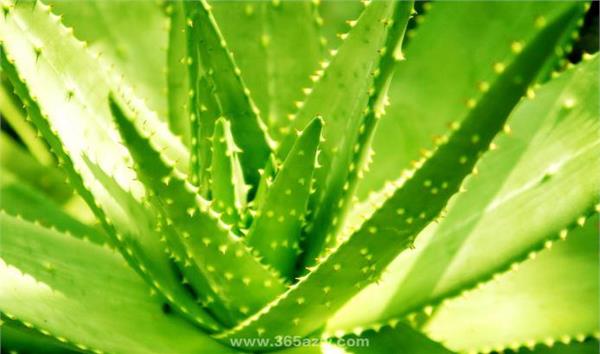
Introduction to Aloe Vera
Aloe vera is a shrub-like succulent plant in the Liliaceae family (lily family), native to Africa. There are many varieties of aloe, and several of them have sharp-pointed, spiny leaves. Aloe flowers are yellow or red, and both the flowers and leaves are beautiful, giving the plant ornamental value. At the same time, aloe vera has certain uses in medicine and cosmetics, which has made it very popular. Today, aloe vera is mainly distributed in tropical regions of the Eastern Hemisphere, especially in South Africa.
Growth Habits of Aloe Vera
Aloe vera is an evergreen, highly succulent plant with a short stem and leaves that grow in near-clusters or slightly in two rows. The leaves are thick and juicy, strap-shaped or lance-shaped, with a powdery green color, a few small teeth at the tip, and sparse spiny small teeth along the edges. The flower stalk of aloe vera reaches up to 90 cm in height, unbranched or slightly branched, with a raceme bearing dozens of flowers. Its bracts are nearly lance-shaped with sharp tips, and the flowers are sparsely arranged, pale yellow with red spots. Its stamens and perianth are nearly equal in length or slightly longer, and the style clearly extends beyond the perianth, yellow with reddish spots. Aloe vera prefers loose soil with good drainage that does not easily become compacted. It fears cold and likes light and tolerates heat.
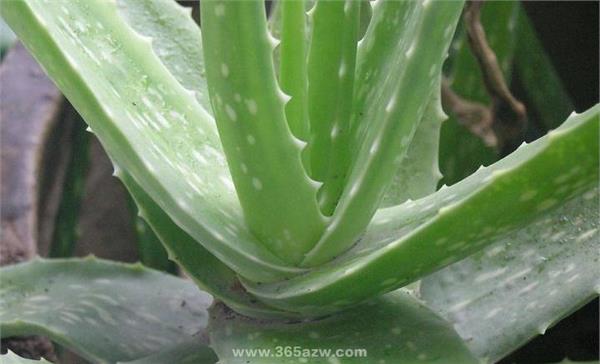
How Often Should You Water Aloe Vera?
1. Before aloe vera turns green again and takes root, it should not be watered much. The best times to water are generally early morning and evening. The water temperature should be close to the soil temperature in the pot. Remember, for potted aloe vera, it is better to keep it dry than wet.
2. As we know, aloe vera is a plant with strong drought tolerance, but note that it should not go without water for long periods either. Water it properly and in the right amount at the right time. For example, generally water once every 15 to 20 days, and you can also use the leaf-spraying method. In summer, be sure to keep the soil surface moist; in winter, keep it appropriately dry, which helps the plant survive the winter safely. In spring, as temperatures rise, when the temperature is between 15 and 25°C, you should appropriately increase watering frequency, generally once every 5 to 7 days. Follow the principle of neither dry nor wet, and water thoroughly when you do water, so that the soil alternates between dry and moist.
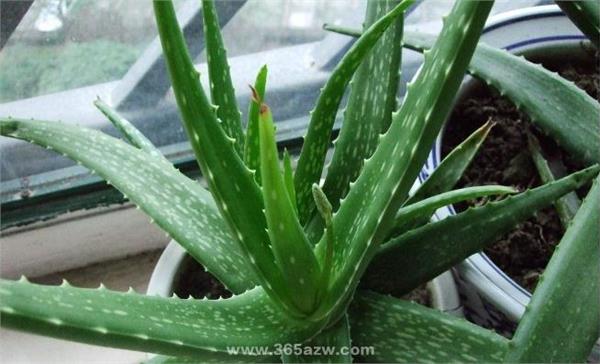
3. As we know, summer is a season of high temperatures and relatively high evaporation, so water once every 2 to 3 days. Each morning and evening, you can spray water on the aloe leaves to keep the leaf color emerald green. Also set up a shade awning to prevent scorching sun exposure, reducing water loss from the soil and the plant. Autumn watering requirements are similar to spring. The general requirement is neither dry nor wet; it is better to water a little less than to keep the soil in a state of excessive water saturation for a long time, as this can easily cause root oxygen deprivation and lead to plant death. The best times to water are early morning and evening, because at these times the water temperature is close to the soil temperature, avoiding large temperature differences that affect the growth of aloe roots.
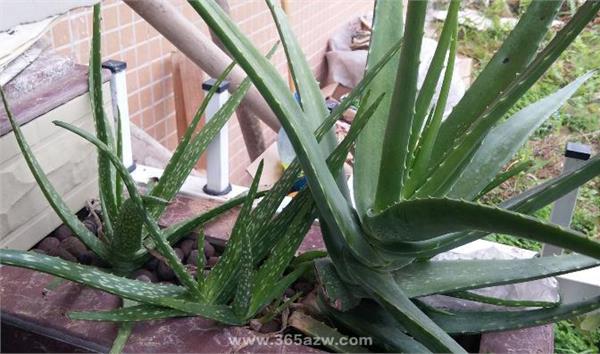
4. For water quality, it is best to use rainwater or river water, because tap water contains relatively high chloride, and long-term use will affect aloe growth. Some people water with magnetized water, which can promote the development of the aloe root system, make the above-ground parts grow faster, and keep the leaves emerald green. If you are a potted aloe enthusiast, you can give it a try.