What are the cultivation methods for the goldfish plant?
There are many types of hanging plants, and one of them is the goldfish plant. Some friends may not be particularly familiar with the cultivation methods for the goldfish plant, so today I will give a brief introduction to the cultivation methods for the goldfish plant. Let's take a look together.
What is the goldfish plant?
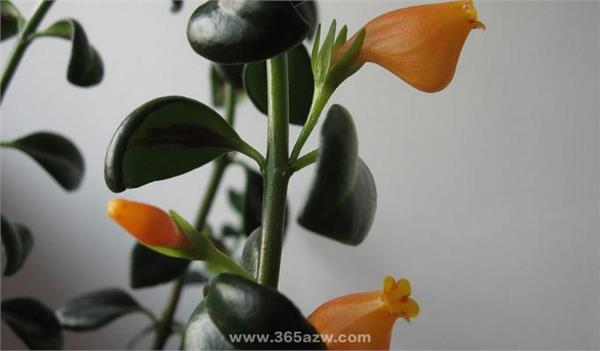
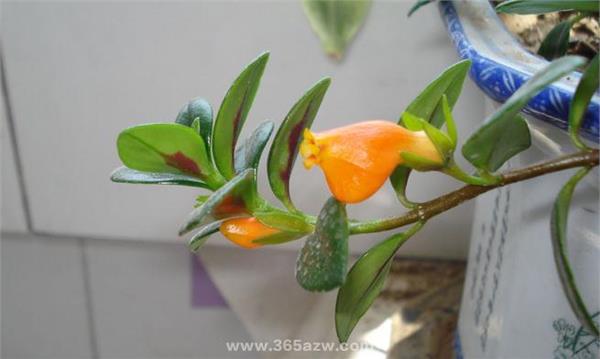
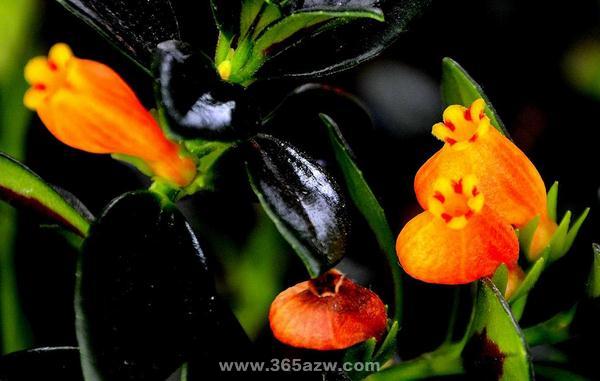
The goldfish plant is also known as the goldfish flower, hanging goldfish, kangaroo flower, and so on. The goldfish plant is a perennial herbaceous plant of the genus Nematanthus in the family Gesneriaceae, with a semi-woody base. The leaves of the goldfish plant are dark green, rather thick and fleshy, with a small mouth, a big belly, and an orange-red appearance, very much like a little goldfish, which is why it is called the goldfish plant.
The goldfish plant likes a high-temperature, high-humidity, shade-loving environment. The suitable temperature for the growth of the goldfish plant is 18-22°C, and it fears low temperatures. Once the growing temperature of the goldfish plant falls below 10°C, the leaves will begin to turn yellow. During high summer temperatures, the goldfish plant grows very slowly, and above 30°C it will even drop its leaves.
Cultivation methods for the goldfish plant
Propagation: There are methods such as cuttings, division, and sowing. The first is generally used. In spring and autumn, take terminal shoots or stem cuttings about 10cm long (with 3-4 leaves) from one-year-old growth, insert them into a bed with coarse sand as the substrate, keep the temperature at 20°C, maintain high humidity, and they will root after about 3-4 weeks. After two months, the tips can be pinched and the plants can be planted in pots.
Soil: A potting soil that is rich in nutrients, loose, well-draining, and slightly acidic is needed. Equal parts of peat soil, perlite, and vermiculite can be mixed. For root ventilation and drainage, peat moss, bark chunks, fern roots, and the like can also be placed in a multi-holed pot.
Light: It likes shade and does not need too long a period of light. In summer, nearly half shade is needed, with a small amount of scattered light, otherwise withered and fallen leaves will occur. In autumn and winter, light can be appropriately increased to promote flower bud growth. Before flowering, sunlight is needed, so place it on a bright balcony or windowsill.
Temperature: Try to keep the temperature at 18-25°C. In winter, it can overwinter smoothly above 10°C. Below 10°C, there will be problems with yellowing and drying leaves. At a room temperature of 5-7°C, cold protection measures are needed. In hot weather, plant growth will be inhibited, so take shade and cooling measures.
Watering: It likes moisture, so keep the soil moist and water thoroughly. During the winter dormant period, watering can be appropriately reduced. When the soil surface dries to a depth of 1cm, it can be watered. During the flowering and growing periods, sufficient water is needed, and in summer, spraying water is also needed to increase the surrounding humidity.
Fertilizing: During the growing period, apply organic liquid fertilizer once every one to two weeks; before flowering, phosphorus and potassium fertilizer can be applied to promote flowering, vigorous growth, and greater ornamental value; no fertilizer is needed during flowering, and after the flowers fade, a nitrogen-containing fertilizer can be appropriately applied.
When does the goldfish plant bloom?
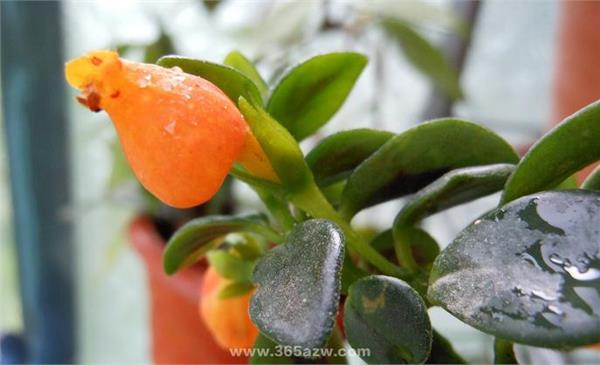
The flowering period of the goldfish plant is in spring and summer, and the flowering period is relatively long. Whenever it blooms, the orange-red appearance of the goldfish plant is very lovely, very much like many little goldfish hanging on the tips of the branches.