What are the spider plant varieties? Introduction to common spider plant varieties
There are many plants suitable for indoor placement, and one of them is the spider plant. There are many varieties of spider plant, and some friends may not be particularly familiar with them, so today I will give you a brief introduction, let's take a look together.
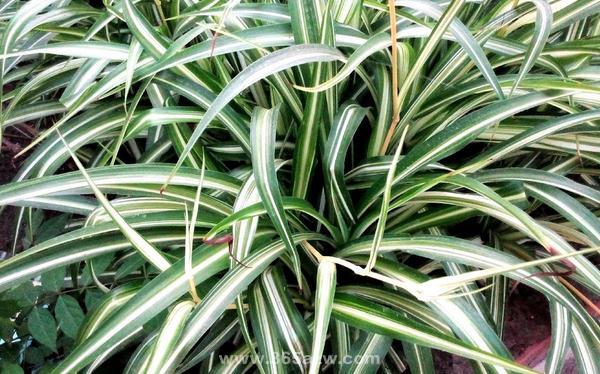
Spider Plant Growth Habits
The spider plant likes a warm, humid, and semi-shady environment. It is highly adaptable, relatively drought-tolerant, and not very cold-tolerant. It is not picky about soil, and grows best in well-drained, loose, fertile sandy soil. It is not strict about light requirements, generally suitable for growing under medium light conditions, and also tolerates weak light. The optimal growth temperature is 15-25°C, and the overwintering temperature is 5°C.
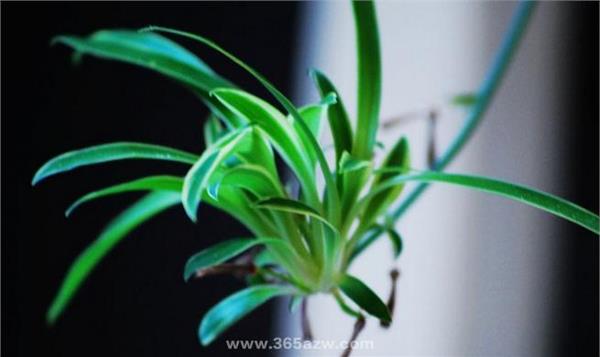
Spider Plant Varieties
1. Broadleaf spider plant
The broadleaf spider plant is actually the most common type of spider plant in our daily lives. Its leaves are broadly linear, with slightly wavy margins along the entire edge, looking extremely attractive. The flower scape of the plant generally emerges from the center as well, forming a raceme when in bloom, with flowers mostly white, and the flowering period is concentrated in the spring and summer of each year.
2. Purple spider plant
The purple spider plant, also called the painted-leaf spider plant, is a perennial evergreen herbaceous plant. Its flowers generally bloom in the summer and autumn of each year. The stems of the plant are jointed, and each stem node bears leaves. The leaf stalks are entirely purplish-red, and the leaves are thick and glossy, all drooping downward. When in bloom, the flowers are mostly pink, looking very cute with high ornamental value.
3. Flower spider plant
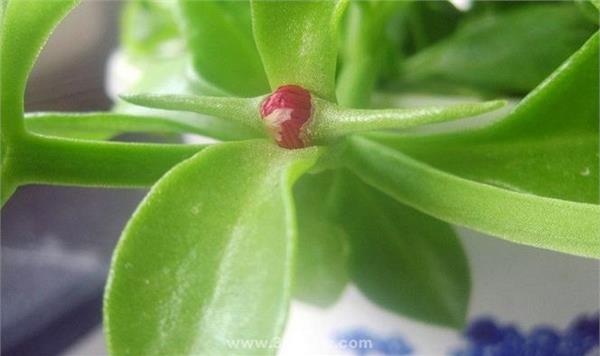
The flower spider plant, also called flower vine grass or lipstick flower, is also one of the very exquisite varieties among spider plants. Its stems are trailing, with branches and leaves drooping. The leaves are peach-shaped. When it blooms, the inflorescences are mostly axillary or terminal, and the flower calyx is tubular, looking just like lipstick, which is why it is also called the lipstick spider plant.
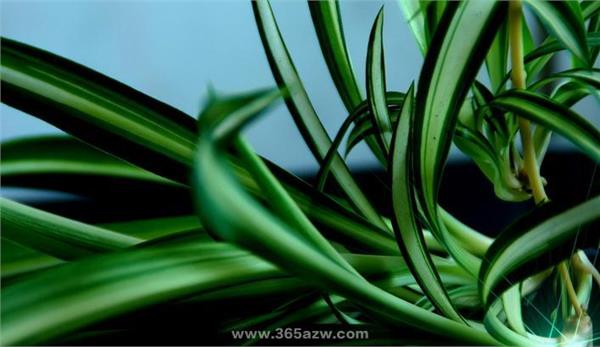
4. Golden-edged spider plant
The golden-edged spider plant, also called the golden-leaf spider plant, is one of the ornamental flowers that people love to hang indoors today. Its leaves are broadly linear and tender green. The fleshy roots growing on the short stems of the plant are relatively plump, and when it blooms, the plant forms a raceme with many small white flowers. The flowers curve and droop downward, looking very elegant and beautiful.
5. Silver-edged spider plant
The silver-edged spider plant actually shares many similarities with the golden-edged spider plant. The leaves of this spider plant are also emerald green, with the difference being that the leaves are edged in white, making the entire spider plant's leaves look even more vivid with very high ornamental value. Moreover, this plant is easy to grow, so it is very popular among consumers.
Notes on Growing Spider Plants
1. Temperature control: Spider plants like a warm and humid climate and are not cold-tolerant. They grow fastest at 2024°C, stop growing above 30°C, and their leaves tend to turn yellow with dry tips.
2. Light regulation: When cultivated outdoors in summer, pay attention to shading to prevent the light from being too intense, otherwise sunscald is very likely to occur.
3. Water and fertilizer regulation: During the peak growing seasons of spring and autumn, watering should be sufficient. The potting soil should be kept moist regularly, and the branches and leaves should be frequently sprayed with clean water at a temperature close to room temperature to prevent dry tips, but waterlogging should be avoided.
4. Pruning and repotting: As the plant grows larger, to maintain a good plant shape, the old leaves at the base should be pruned frequently.
5. Pest control: Spider plants have dense foliage and poor ventilation, making them susceptible to scale insect damage, so prevention should be the priority.