How to care for a lipstick plant? Learn the correct growing method
Many friends are not particularly familiar with how to grow a lipstick plant, so today we will give a brief introduction to the growing method for lipstick plant. Let's take a look together.
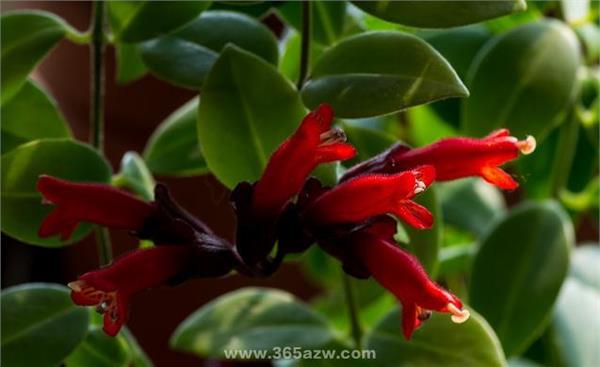
What is a lipstick plant
The lipstick plant, also known as Huaman grass or lipstick flower, is a perennial evergreen trailing herbaceous flower in the Gesneriaceae family, genus Aeschynanthus. The leaves are ovate and opposite, slightly fleshy. The inflorescences are mostly axillary or terminal, and their shape closely resembles a lipstick; the calyx is tubular, very much like the tubular casing of a lipstick, which is why it is called "lipstick plant." This flower is native to the tropical regions of Indonesia and eastern India, and it likes a warm, bright, semi-shaded environment. The leaves are opposite, fleshy and thick, bright and green. The stems are angular and become semi-trailing when extended. Flowers bloom at the tips of the stems, with colors from pink to crimson red, pale yellow at the center, shaped like chrysanthemum flowers, with narrow, glossy petals, blooming successively from spring to autumn, with numerous stamens. The ovary is inferior, with no style, and the stigma is 4. The capsule is fleshy, splitting open in a star shape into 4 valves, with numerous seeds.
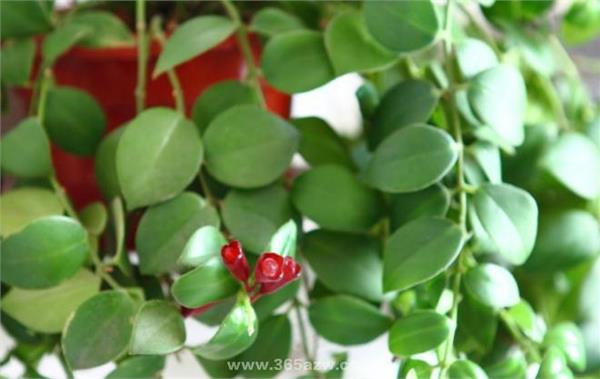
How to grow a lipstick plant
Suitable soil: For the lipstick plant, loose, fertile sandy loam is best, and drainage must be good. For potted plants, slightly acidic soil is preferred; you can use a potting mix made of peat soil, sand and vermiculite, and add an appropriate amount of superphosphate.
Light: It likes a semi-shaded environment. Except for the strong light at midday in midsummer, which should be properly shaded, it should be given sufficient light at other times, especially in winter. If the placement site has too much or too little light, the leaves will easily turn pale green or yellow-green.
Temperature: The lipstick plant should be placed in a cool, ventilated place, and attention should be paid to maintaining environmental humidity. Continuous high temperature and high humidity should be avoided; poor drainage and ventilation will cause rot. The lipstick plant is not cold-tolerant, and in winter it needs to be brought indoors to overwinter.
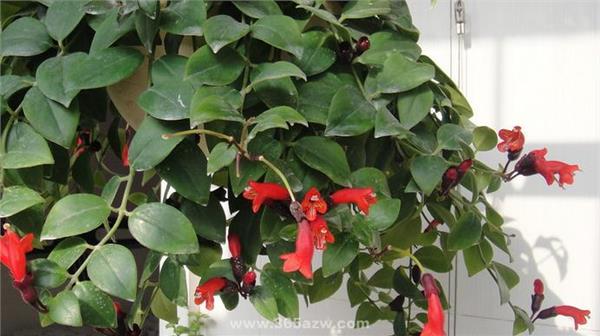
Watering frequency: The potting soil should often be kept moist, but water must never accumulate in the pot, to avoid root rot. From March to September, during the peak growth period, the water requirement is relatively large, so it should be watered and misted frequently to increase humidity. In autumn, as the weather gradually turns cool, the amount of watering and fertilizing should be gradually reduced, and in winter the potting soil should be kept slightly dry.
Pruning tips: When growth is vigorous, the tips can be pinched appropriately to promote branching. After the winter flowering period ends, the spent stems that have flowered should be cut off promptly, which saves nutrients, promotes new shoots, and helps it produce more buds and flowers.
Pest and disease control: The plant is robust and not prone to pests and diseases, but if the potting soil is waterlogged and ventilation is poor, besides causing root rot, root rot disease may also occur. When the disease occurs, you can spray or drench the affected plants with a 1000-fold dilution of 40% root rot fungicide, or drench the roots with a 1500-fold dilution of 80% 402 emulsifiable concentrate.
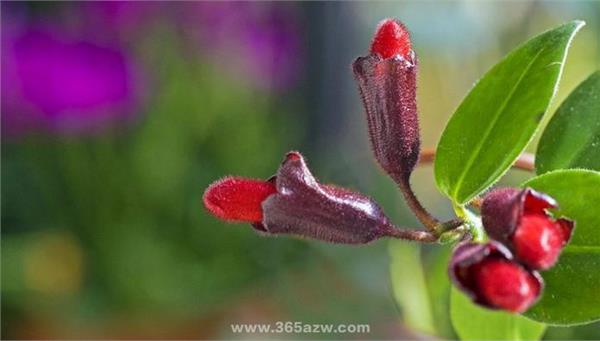
Notes on growing a lipstick plant
1. If the terminal buds of the lipstick plant die off for no apparent reason, you can apply an appropriate amount of calcium fertilizer, and the terminal bud necrosis will disappear.
2. During the flowering period of the lipstick plant, apply less nitrogen fertilizer and appropriately apply some nitrogen fertilizer. Increasing indoor light intensity and keeping the room temperature relatively low will help promote flowering.
3. After the winter flowering period ends, the spent stems that have flowered should be cut off promptly. This can save nutrients, promote new shoots, and help it produce more buds and flowers.
4. In general, when growing a lipstick plant, you should apply less fertilizer or no fertilizer.