What to Do When Spider Plant Leaves Turn Yellow? Cause Analysis and Solutions
Spider plants can develop yellow leaves during cultivation. Today I will briefly explain the causes and treatments for yellowing spider plant leaves, so let's take a look together.
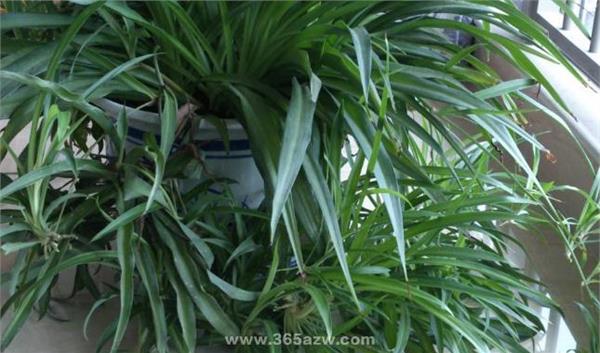
Introduction to the Spider Plant
Spider plants like warm, humid, semi-shaded environments. They are highly adaptable and fairly drought-tolerant, but not very cold-tolerant. The suitable growing temperature is 15-25°C, and the overwintering temperature is 5°C. Growth is fastest at 20-24°C, and growth stops above 30°C. Spider plants have temperature requirements, so pay extra attention during cultivation. Spider plants are not picky about soil and grow best in well-drained, loose, fertile sandy soil. Spider plants have low soil requirements. Spider plants are not strict about light and generally grow well in medium light, and they also tolerate weak light. Of course, they should not be exposed to the sun for long periods.
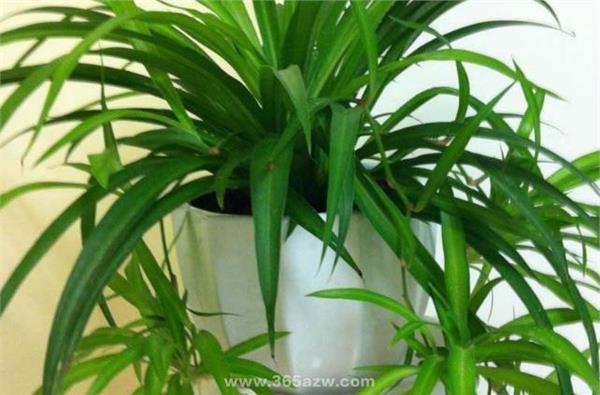
Causes and Treatments for Yellowing Spider Plant Leaves
1. Improper fertilization: Excessive fertilization causes yellow leaves. When fertilization exceeds the plant's needs, the leaves first become shiny and uneven, then the root system rots and the leaves turn yellow. Treatment: Stop fertilizing, water generously with clean water, or repot the plant, clean the roots, and replace the soil with new soil.
2. Nutrient loss: The various nutrient elements contained in the potting soil have been exhausted, and the three key elements nitrogen, phosphorus, and potassium have not been replenished in time. The plant lacks nutrients, and the leaves appear yellow and thin. Treatment: Replace with fertile loam in time and water with alum fertilizer water.
3. Insufficient sunlight: Although spider plants are semi-shade-loving flowers, they still need at least four hours of diffused light every day, otherwise chlorophyll decreases and the leaves turn yellow. Treatment: Take some free time each day to place the spider plant in the sun for a few hours, but do not expose it to too much direct sunlight.
4. Poor air permeability and water permeability of the potting soil: The potting soil remains waterlogged for a long time, root respiration becomes difficult, and the leaves turn yellow. Treatment: Loosen the soil in time and control moisture. Fifth, long-term watering without thorough soaking. The roots of the spider plant lose water, and the lower old leaves turn yellow. Water thoroughly and keep the potting soil warm and moist.
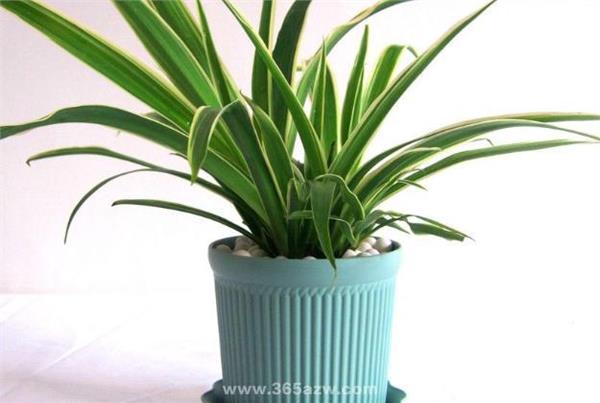
Tips for Caring for Spider Plants
Spider plants prefer semi-shaded environments. In spring and autumn, avoid direct exposure to strong sunlight. In summer, when sunlight is especially strong, they can only receive some slanted light in the morning and evening, and 50%-70% of the sunlight needs to be shaded during the day, otherwise the leaf tips will dry out. Variegated varieties especially fear strong sunlight. Golden-edge spider plants grow more beautifully in weak light, with the yellow golden edges more obvious and the leaves more glossy. But in winter, they should receive more sunlight to keep the leaves tender and fresh green. Household potted spider plants should be placed in front of a south-facing window, otherwise the leaves will lose their luster and may even wither. When conditions permit, it is best to rotate the pot about 15° in a fixed direction every week to ensure the spider plant hangs down evenly.
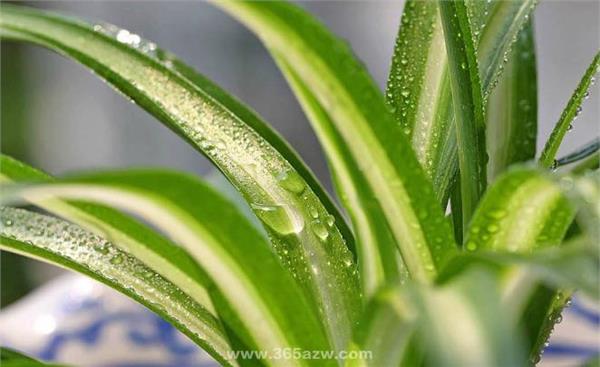
Cut off yellow leaves at any time. Once a year in March, repot the plant, cutting off old roots, rotten roots, and excess fibrous roots. In early to mid-May, cut off some of the old leaves of the spider plant, which will encourage more new leaves and small spider plants to sprout. Spider plants have quite developed root systems, so after growing for a period of time, the pot should be replaced in time to avoid root accumulation, which can cause yellow leaves, withering, and other problems in spider plants.