How to Grow Spider Plants? Detailed Guide to Cultivation Methods and Precautions
Spider plant, also called ribbon plant or bracket plant, is the most common green plant in ordinary households. Many people grow spider plants at home for ornamental purposes and to purify the air. Let's take a look at the cultivation methods and precautions for growing spider plants.
The Benefits of Spider Plants
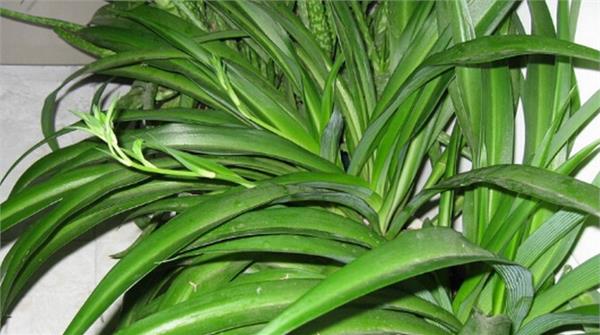
Decorative effect: The spider plant is one of the most understated hanging plants for indoor spaces. Its leaves are slender and soft, and drooping stems bearing small plantlets emerge from the leaf axils, hanging down from the rim of the pot, spreading and trailing gracefully like flowers, evergreen all year round. Both sturdy and graceful, it resembles a crane with spread wings, which is why it was called "crane-orchid" in ancient times. In short, its distinctive appearance creates a unique hanging display and three-dimensional beauty, offering a novel decorative effect.
Air purification function: The spider plant is not only an excellent hanging foliage plant for indoor spaces, but also a good indoor air-purifying flower. The spider plant has a very strong ability to absorb toxic gases. Generally, keeping 1 to 2 spider plants in a room can absorb almost all toxic gases in the air, which is why the spider plant is also known as the "green purifier."
Spider Plant Cultivation Methods
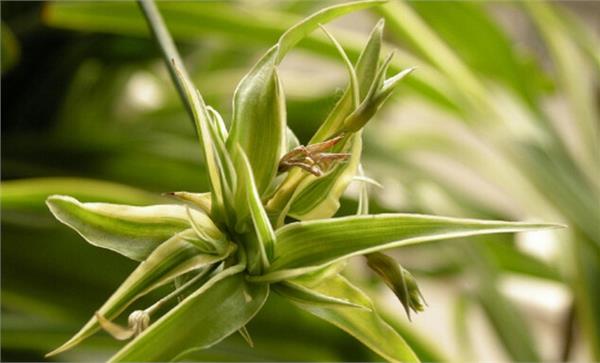
Spider plants can be propagated by cuttings, division, or sowing. Cutting and division propagation can be done at any time from spring to autumn. Spider plants are highly adaptable with a high survival rate and are generally very easy to propagate. For cuttings, simply take a stolon 5-10 cm long with new buds and insert it into the soil; roots will form in about a week, and after about 20 days it can be transplanted into a pot. Water thoroughly and place in a cool, shaded spot for care.
Temperature control. Spider plants prefer warm, humid climates and are not cold-tolerant. They grow fastest at 20-24 degrees C, stop growing above 30 degrees C, and the leaves tend to turn yellow with dry tips.
Light regulation. When cultivated outdoors in summer, pay attention to shading to prevent the light from being too intense, otherwise sunburn is very likely to occur.
Water and fertilizer regulation. The potting soil is usually a mix of leaf mold and garden soil. Provide sufficient water and fertilizer during the growing period, and pay attention to shading in summer. For spider plants that have started to produce small plantlets, apply a nitrogen-based top dressing once every half month.
Leaf care. Indoor spaces often have a lot of dust. If a spider plant accumulates too much dust, it not only affects its growth but also diminishes the fresh, bright appearance of the leaves and branches, so the leaves should be sprayed and washed frequently to keep them glossy and beautiful. Dead and yellow lower leaves should be removed at any time. Maintain normal humidity in general; it should not be too dry or too wet.
Precautions for Growing Spider Plants
1. Spider plants are fertilizer-tolerant plants. Insufficient nutrients cause the leaves to turn yellow, and the tips easily scorch and age.
2. In spring and autumn, partial shade is preferable. In summer, it is best to receive light in the morning and evening, with shading at noon to avoid direct sun exposure. In winter, provide more sunlight. During the growing period, keep the potting soil moist but not waterlogged.
3. Repot once every spring (mid-to-late March).
4. In summer, avoid direct sunlight. Keep the potting soil moist at all times. Apply liquid fertilizer once every 15-20 days.
5. After mid-October, hang the pot indoors in a spot close to the sunlight and convenient for viewing. In winter, water after the surface of the potting soil is dry to about 1 cm deep.
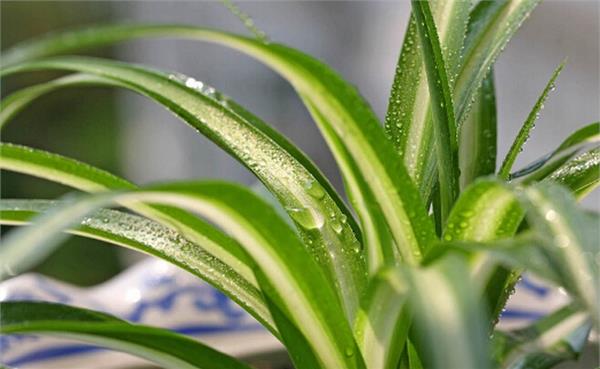
6. When the climate is dry in summer and autumn, increase the air humidity around the plant through measures such as misting.
7. In winter, keep the potting soil on the dry side. Potting soil that is too wet can trigger gray mold and cause leaf rot.
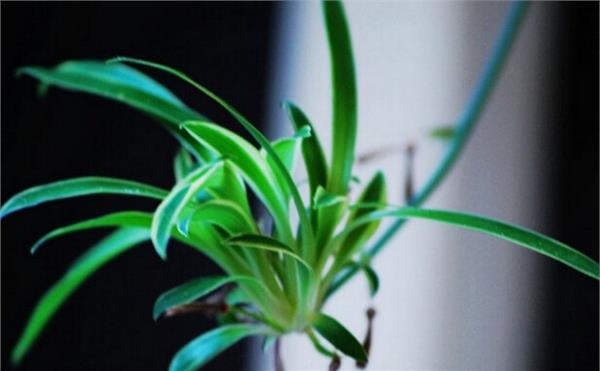
8. Indoor light should not be too dim, otherwise the leaf color becomes pale or yellow-green.
9. Avoid pouring water into the center of the plant when watering, otherwise the tender leaves are prone to rot.
10. Excessive fertilization beyond the plant's needs. At first the leaves become glossy and uneven, then the root system rots and the leaves turn yellow. Stop fertilizing, water generously with plain water, or repot to clean the roots and replace with fresh soil.
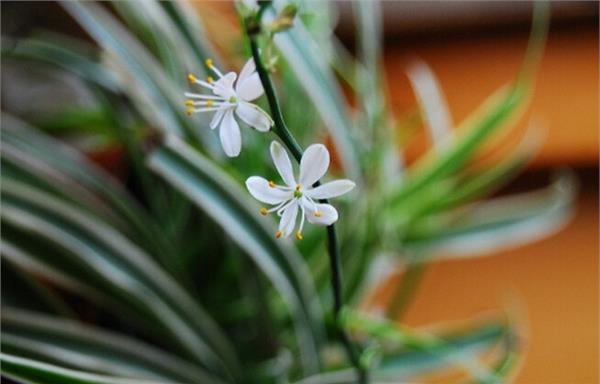
The purifying effect of spider plants is well known. In a room of about 10 sq m, just one spider plant is equivalent to installing an air purifier, enough to offset the negative effects of harmful gases.
The above is the relevant introduction in this article. I believe you now have a simple understanding of it after reading. If needed, you can continue to follow No.1 Home Network to learn more information.
If needed, you can continue to follow No.1 Home Network to learn more information.