What are the benefits and effects of edamame? A complete analysis of healthy and nutritious recipes
As the saying goes, "An apple a day keeps the doctor away." This saying also applies to edamame, and in the future it could even be changed to "An edamame a day keeps obesity away." According to statistics, there are currently about 2 billion people worldwide with obesity problems, and obesity has become one of the most widely recognized serious epidemics of the 21st century. The diseases caused by obesity most commonly include type 2 diabetes, as well as conditions such as atherosclerosis and myocardial infarction, making it a time bomb posing a tremendous threat to health.
But how should one eat without getting fat? This is a secret every woman wants to know. Besides relying solely on exercise to lose weight, dietary control is also very important. In addition to eating fewer snacks and sugary drinks, in recent years scholars at home and abroad have found through research that soybeans are a food that can provide energy without easily causing obesity. Besides stabilizing blood sugar, they are also rich in functional components. For example, soybean fiber can improve metabolic syndrome, and soy isoflavones can improve insulin resistance and prevent the occurrence of type 2 diabetes. Edamame, which also belongs to the soybean family, not only has the above advantages but also contains high concentrations of free amino acids and aminobutyric acid, which can lower blood pressure and provide other health benefits. It is a legume vegetable with high nutritional value.
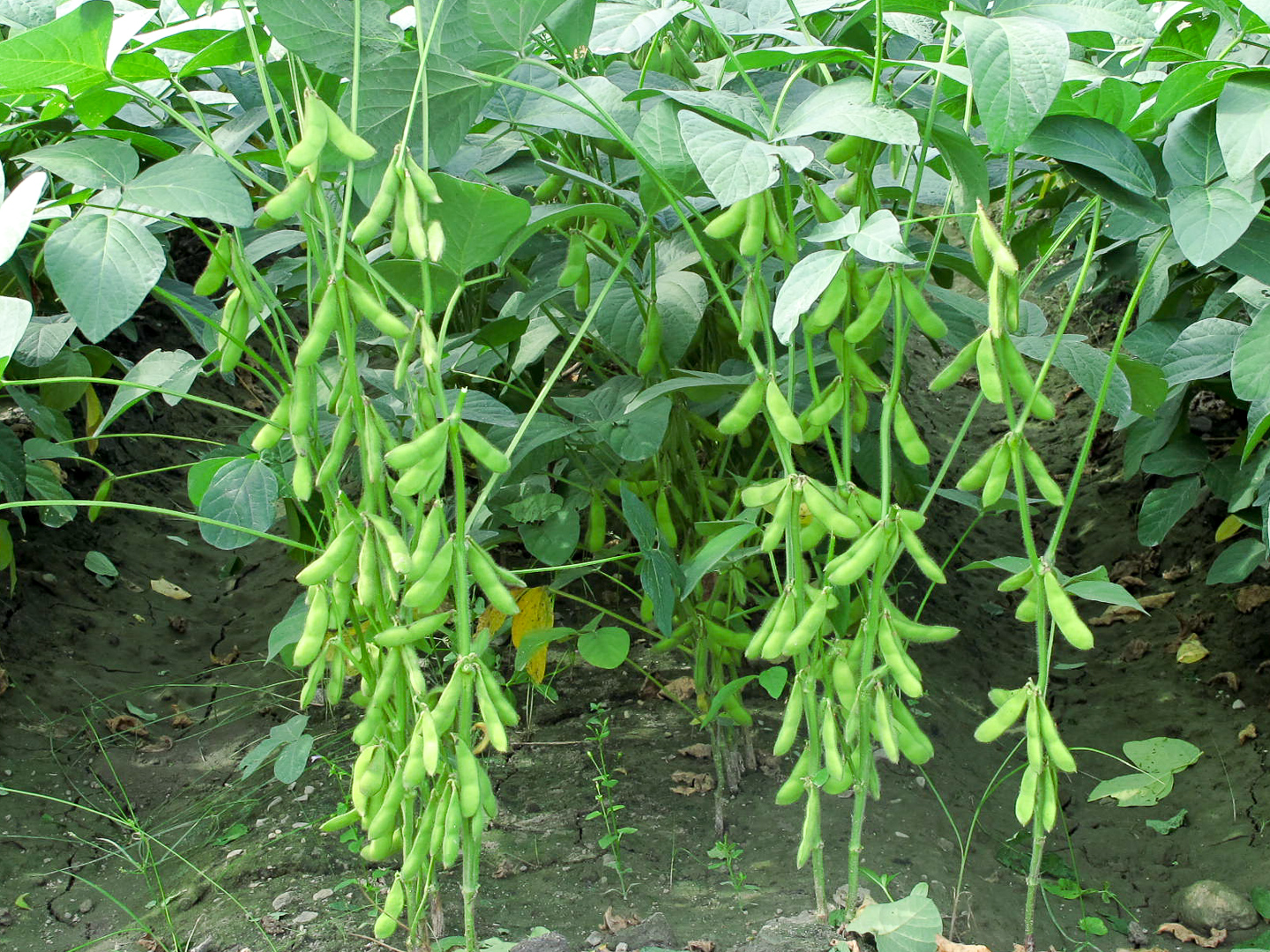
Soybeans have many varieties, including yellow soybeans, black soybeans, green-skinned beans and edamame, among which edamame is most suitable for use as a vegetable. "Edamame" is also called vegetable soybean, and in Japan it is called "edamame." Like meat, it is rich in protein. Besides being made into a common snack to go with drinks, in the eyes of nutritionists edamame is not just a vegetable but a plant-based protein with high nutritional value, and is therefore called "plant meat."
Because edamame is an excellent source of protein, containing rich amino acids, dietary fiber, lecithin and soy isoflavones, as well as a large amount of iron, it can serve as an iron supplement source for pregnant women and children. Lecithin is also one of the indispensable nutrients for brain development and can make the brain sharper. Friends who eat vegetarian food or do not like meat can choose edamame as their main source of protein.
Assistant Professor Chuang Kuo-hsiang of the Graduate Institute of Pharmacognosy at Taipei Medical University stated that edamame contains trace functional components such as flavonoid compounds, especially soy isoflavones, which can control blood sugar, inhibit weight gain and improve type 2 diabetes. Edamame also contains compounds that can clear fat from blood vessel walls, playing a role in lowering blood lipids and cholesterol in the blood. It not only has a significant effect on helping women maintain a slim figure, but also has preventive and auxiliary improvement effects on diseases such as obesity, hyperlipidemia, atherosclerosis and coronary heart disease.
Taiwan, China edamame is renowned far and wide, and the output value of exports to Japan has reached new highs year after year. Besides being one of the favorite snacks to go with drinks for Japanese people, edamame has high nutritional value and is therefore called "the meat of the poor," and is even hailed as a health food in Japan. Domestic scholars have found through animal experiments that adding edamame to the diet can effectively improve diseases such as obesity and diabetes, and in the future it is expected to be further developed into a health food to improve the increasingly serious obesity metabolic syndrome among people in the country.
However, domestic research on edamame for obesity-related metabolic diseases is very limited. To investigate the improvement effects of domestic edamame on obesity metabolic diseases, the Council of Agriculture commissioned Assistant Professor Chuang Kuo-hsiang of the Graduate Institute of Pharmacognosy at Taipei Medical University to conduct animal efficacy verification on 6 domestic edamame varieties. Experiments proved that several of these edamame varieties are not only "weight-loss treasures" with functions such as improving obesity metabolic syndrome (chronic inflammation, insulin resistance, blood sugar metabolism), but may also have the potential to be developed into health functional foods to safeguard people's health.
Dr. Chuang Kuo-hsiang's research team conducted mouse experiments, feeding mice a high-fat diet (60% fat), but the other two experimental groups of mice were fed the high-fat diet mixed with 15% and 60% edamame respectively, to observe whether adding edamame to a diet with the same calories could effectively improve obesity. The experiments found that mice whose feed was supplemented with 60% of a specific edamame strain showed significant improvement and reduction in body weight, blood sugar and chronic inflammatory factors, showing that edamame indeed helps improve obesity metabolic syndrome.
Dr. Chuang Kuo-hsiang pointed out that research has proven that edamame contains trace functional components such as flavonoid compounds, especially soy isoflavones, which can control blood sugar, inhibit weight gain and improve type 2 diabetes. Edamame also contains compounds that can clear fat from blood vessel walls, playing a role in lowering blood lipids and cholesterol in the blood. It not only has a significant effect on helping women maintain a slim figure, but also has preventive and auxiliary improvement effects on diseases such as obesity, hyperlipidemia, atherosclerosis and coronary heart disease.
However, experiments found that not every variety of edamame has this effect. Due to the patent research and development stage, it cannot yet be disclosed. This year, the focus will be on specific edamame varieties with potential for further experiments, moving toward the development of "functional" edamame as a health food.
"Mr. Edamame," Chou Kuo-lung, branch station chief of the Kaohsiung District Agricultural Research and Extension Station of the Council of Agriculture, stated that soybeans picked at 80% maturity are actually edamame. Edamame has many sources and can come from yellow soybeans, black soybeans or tea beans. The difference between edamame, yellow soybeans and black soybeans lies only in the color of the seed coat, just like the skin color difference between yellow-skinned and black people. The three can be called the "three soybean brothers," and edamame is the youngest soybean at "80% ripe."
"Edamame" is also called vegetable soybean. Like meat, it is rich in amino acids and protein and has high nutritional value. Besides being made into a common snack to go with drinks, the domestic taro-fragrant edamame (Xiangmi) promoted by Branch Station Chief Chou Kuo-lung is also very tasty when blended into edamame milk. The rich bean fragrance gives off a faint, charming taro aroma, and the price is quite affordable, with a large bag costing less than 100 yuan. When exported to Japan, the price doubles, yet it is still favored by Japanese people.
How much do Japanese people love edamame? Chou Kuo-lung said that more than 50,000 metric tons of edamame can be consumed in a year. The output value of exports to Japan has reached new highs year after year, breaking through the 2 billion New Taiwan dollars mark in just one year, and edamame has long been positioned as a health food in the United States and Japan. In the future, domestic edamame is also expected to be developed into functional food, becoming a truly worthy healthy "green gold."
Ingredients containing soy isoflavones, enjoy "slimming" good dishes
Besides edamame, other foods such as yellow soybeans, black soybeans, soybeans, corn, peanuts, garlic and broccoli also contain soy isoflavones, which can lower cholesterol and prevent cardiovascular disease.
Pair with domestic fruits and vegetables in peak season in Taiwan, China in March, such as tomatoes, cabbage, broccoli, cauliflower, burdock, tankan oranges, mandarin oranges, strawberries, wax apples, loquats, mulberries, bananas, star fruit, oranges and so on, which are also spring "slimming-friendly ingredients." As long as you grasp low-oil, low-salt and high-fiber cooking methods, eat a balanced diet in three meals, replace frying and quick stir-frying with steaming, boiling and braising, eat more white meat and less red meat to reduce fat intake, adjust eating habits to stop at 80% full, and combine with appropriate exercise, you will naturally be able to lose weight.
"Tomato, Onion and Edamame Scrambled Egg" recipe
Prepare the ingredients: 1 tomato, half an onion, 1 small package of edamame, 3 eggs. For the cooking steps, first cut the tomato into chunks, dice the onion, wash the edamame, remove the thin membrane and blanch, and beat the eggs and set aside. Add a little olive oil to the pan and heat it, then first pour in the egg liquid and quickly stir-fry until about 60% cooked, then remove and set aside. Next, add the diced onion and stir-fry until fragrant, then add the blanched edamame kernels and tomato and stir-fry, finally add the just stir-fried 60% cooked eggs and stir-fry, add a little salt and black pepper for seasoning, mix well and serve.