Partridge farming can bring in big money and is a good path to prosperity
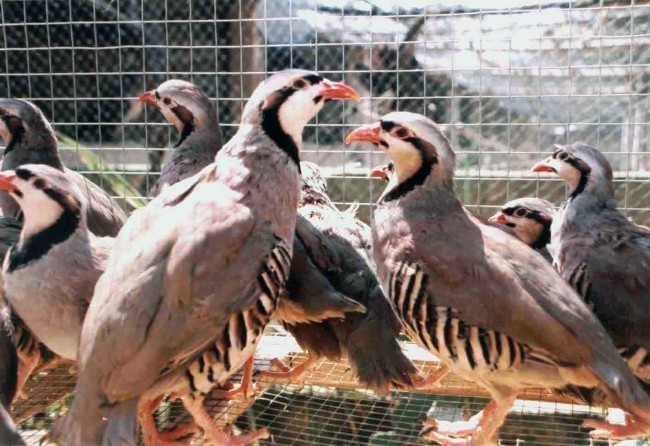
The partridge belongs to the order Galliformes, the family Phasianidae and the genus Coturnix, and is a wild rare bird that can be used for ornament, food and medicine. Partridge meat is an excellent tonic and nutritious food, containing the 18 amino acids essential to the human body and 64% unsaturated fatty acids, with the nutritional characteristics of high protein, low fat and low cholesterol. Partridge sells well in markets in Shanghai, Guangzhou and Hong Kong, China, as well as in Japan, and the saying "one partridge is worth ten pigeons, and with partridge you do not eat pigeon" is very popular in Hong Kong, China; each partridge sells for 50 Hong Kong dollars and still cannot meet demand, and it is predicted that in the future Hong Kong, China will buy several hundred million partridges from the mainland each year. In Japan, one partridge sells on the market for 6,000 yen. Under good feeding and management conditions, one laborer can raise 50 groups (each group has 1 male and 3 females), producing about 10,000 marketable partridges a year, with an average cost of 3 to 5 yuan per bird, a selling price of 10 to 15 yuan per bird, an annual output value of 100,000 to 150,000 yuan, and a profit of up to 60,000 to 110,000 yuan. Because partridges have strong disease resistance and farming them carries little risk, the returns are 5 to 10 times those of traditional farming, and the economic benefits are extremely notable.
At present the partridge sales market has already entered the late stage of selling breeding stock and speculating in breeding stock, and has not yet entered the stage of commercial sales as meat pigeons have. Because the partridge is an imported breed, it is difficult for domestic consumers to accept it for the time being, and moreover its body shape and structure are similar to those of the meat pigeon, so it must compete with the meat pigeon for market share. Therefore, exactly how the partridge market will develop in the future must depend on the efforts of the farming units themselves; only by increasing publicity for partridges, strengthening feeding management and technological innovation, reducing farming costs and entering commercial sales can partridge farming enterprises have broad space for survival and development.