What types of spider plants are there? A comprehensive introduction to common varieties
Generally speaking, there are many types of spider plants, and different types have different characteristics. Today I will give you a brief introduction to the types of spider plants, let's take a look together.
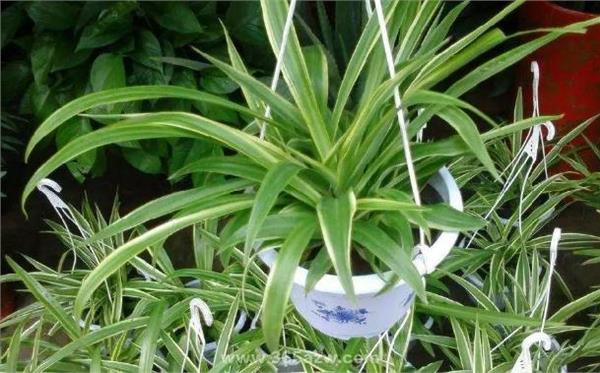
Types of spider plants
1. Broadleaf spider plant
Broadleaf spider plant is actually the most common type of spider plant in our daily life. Its leaves are broadly linear, with slightly wavy margins along the entire edge, looking extremely attractive. The flower scape of the plant is generally drawn out from it as well, forming a raceme when it blooms, with flowers mostly white, and the flowering period is concentrated in the spring and summer of each year.
2. Purple spider plant
Purple spider plant, also called variegated spider plant, is a perennial evergreen herbaceous plant. Its flowers generally bloom in the summer and autumn of each year. The stems of the plant are jointed, and each jointed stem bears leaves. The petioles are entirely purplish-red, and the leaves are thick and glossy, all drooping downward. When it blooms, the flowers are mostly pink, looking very cute, with high ornamental value.
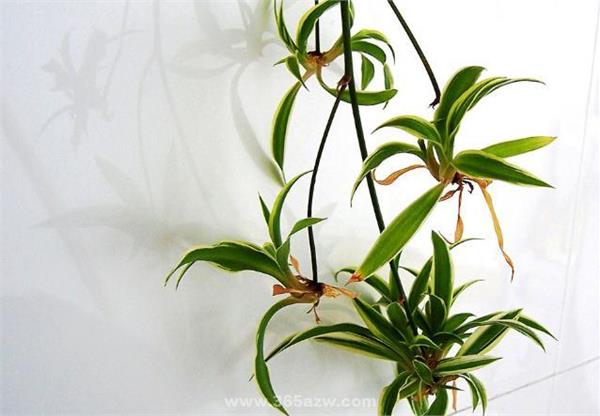
3. Flowering spider plant
Flowering spider plant, also called flower vine or lipstick flower, is also one of the very exquisite varieties among spider plants. Its stems are trailing, with branches and leaves drooping, and the leaves are peach-shaped. Whenever it blooms, the inflorescences are mostly axillary or terminal, and the flower calyx is tubular in shape, looking just like lipstick, which is why it is also called lipstick spider plant.
4. Golden-edged spider plant
Golden-edged spider plant, also called golden-leaf spider plant, is one of the ornamental flowers that people today love to hang indoors. Its leaves are broadly linear and tender green. The fleshy roots growing on the plant's short stems are rather plump, and when it blooms, the plant forms a raceme with many small white flowers, and the flowers curve and droop downward, looking very elegant and beautiful.
5. Silver-edged spider plant
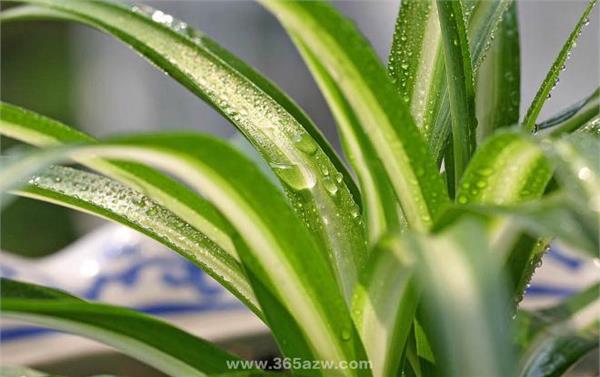
Silver-edged spider plant actually shares many similarities with golden-edged spider plant. The leaves of this spider plant are also emerald green, and the difference lies in the leaves being edged in white, so the leaves of the whole spider plant look even more vivid, with very high ornamental value. Moreover, this plant is easy to grow, so it is very popular with consumers.
Notes on growing spider plants
Watering: Spider plants like a humid environment, and the potting soil should be kept moist frequently. However, the fleshy roots of the spider plant can store a large amount of water, so it has strong drought resistance and will not dry out and die even without watering for several days. When the temperature is below 5°C in winter, water less, and do not let the potting soil become too wet, otherwise the leaves tend to turn yellow.
Fertilizing: Apply liquid fertilizer once every two weeks during the growing season. For variegated varieties, apply less nitrogen fertilizer, otherwise the white or yellow markings on the leaves will become less obvious. Stop fertilizing when the ambient temperature is below 4°C.
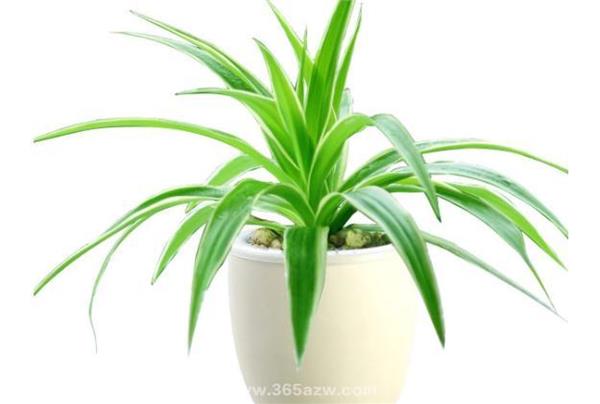
Pests and diseases: Spider plants have few pests and diseases, mainly physiological disorders, with the leaf tips turning yellow, so fertilizer and water management should be strengthened. Check frequently and promptly remove scale insects, whiteflies, etc. on the leaves. Spider plants are not prone to pests and diseases, but if the potting soil is waterlogged and ventilation is poor, besides causing root rot, root rot disease may also occur, so attention should be paid to spraying for prevention and control.