Horticultural Therapist Training Program: An Introduction to Horticultural Therapy
In the 2011 book "Introduction to Horticultural Therapy" by Professor Li Shuhua of Tsinghua University, a therapy that uses gardening activities or various plant-related activities to achieve goals such as recovery of physical function, recovery of mental health, and recovery of social adaptability is called horticultural therapy.
Professor Zheng Li of Soochow University, in her 2015 paper "An Overview of Horticultural Therapy in the United States and the Latest Interpretation of Industry Terminology," supplemented the definition of horticultural therapy, pointing out that it is a process led by a trained therapist conducting gardening activities, committed to achieving established specific therapeutic goals for the client.
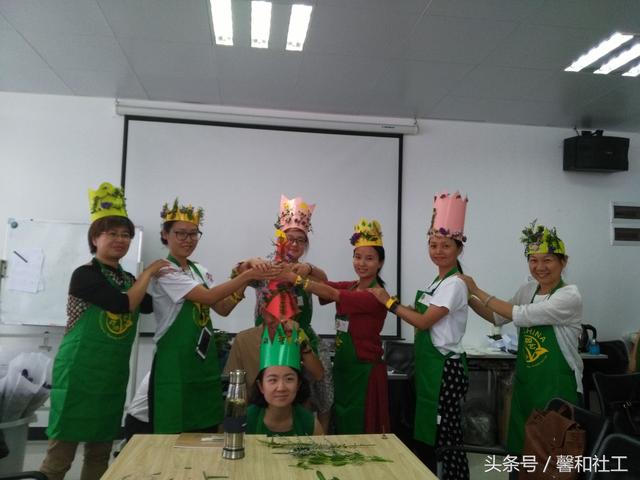
What kind of person can become a horticultural therapist? What knowledge must a horticultural therapist master?
Qualities a Horticultural Therapist Should Possess
Professional Horticultural Knowledge | Including: seed planting, crop fertilizing, soil management, pest and disease control, understanding varieties, propagation techniques, and so on. |
Humanistic and Psychological Care | Not only should one have an understanding of living things in nature, but one should also have appropriate care for humanity, an appropriate understanding of human nature, and study for some psychology certificates. |
Noble Personality Traits | Having a gentle and understanding heart, an appreciative eye, a praising mouth, a listening ear, a considerate feeling, being able to comfort people, encourage people, be tolerant, and appreciate others' strengths; absolutely avoiding blame, scolding, harsh criticism, mockery, sarcasm, disdain, contempt, looking down on others, coldness, indifference, or doing things perfunctorily. |
Humorous and Lively or Vivid and Engaging Teaching | The teaching style must not be overly rigid and formal like a classroom; it should be humorous, interesting, very distinctive, fun and enjoyable, so that the client feels a gentle and refreshing breeze, laughter and joy, as if "reading you a thousand times without ever growing tired." |
Basic Medical Knowledge | Having some basic understanding of participants' conditions, such as intellectual disability, physical disability, autistic children, and so on. |
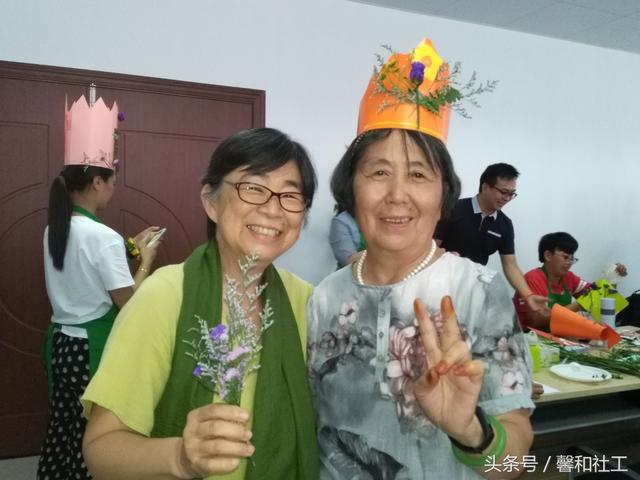
Personality Traits of a Horticultural Therapist
Enthusiasm | The therapist is willing to give and is full of enthusiasm, letting the client feel the vitality of life or the love of life, and is full of curiosity and love for horticultural therapy. |
Sharing | The therapist is willing to share the knowledge and skills they know with the client, as if wanting to find good friends to share everything they can do, everything they know, and everything they have enjoyed. |
Enjoyment | The therapist must be able to take joy in it, not treating it as merely a job; they must truly enjoy the pleasure of gardening activities, so that the client can also feel that joy and happiness; otherwise it is merely labor or work. |
Care | The horticultural therapist is willing to care for disadvantaged clients, can understand and accept clients' congenital or acquired deficiencies, teaches with a gentle heart, and cares proactively and willingly. |
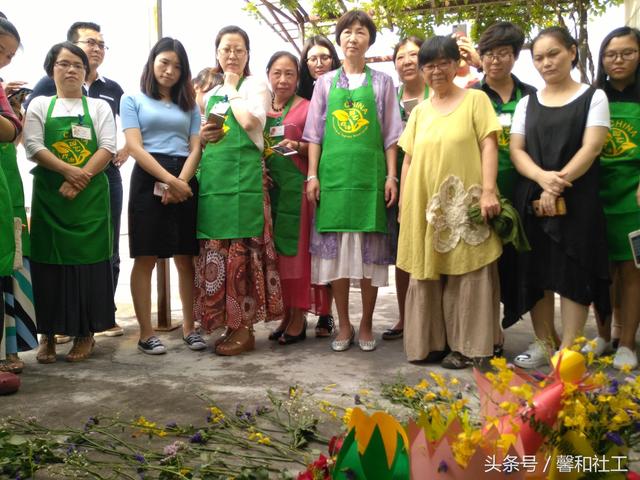
Courses a Horticultural Therapist Should Master
Introduction to Horticulture
Horticultural Therapy Theory
Assessment Methods for Horticultural Therapy
Horticultural Therapy Program Design Techniques
Healthy Indoor Environment Design Methods
Healing Garden Design
Horticultural Therapy Assistive Tool Design
Landscape Maintenance and Management
Activity Plan Writing
Horticultural Therapy Methods for Various Populations
Methods and Techniques for Creating Five-Sense Stimulation
Management and Communication Skills
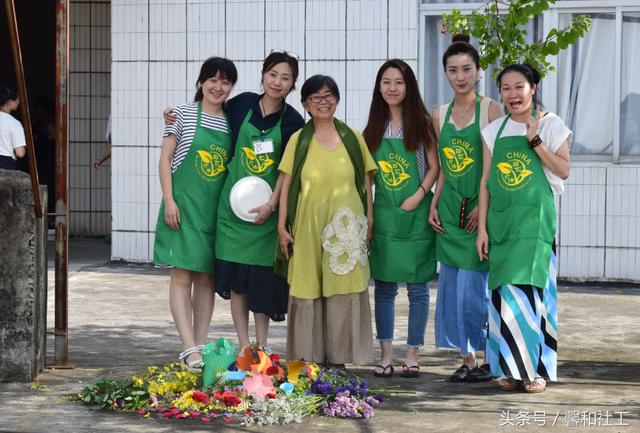
How to Join the Most Cutting-Edge Development of Horticultural Therapists in China
The 2017 Horticultural Therapy and Big Health Industry Summit Forum will be held on November 8-9 in Changzhou, Jiangsu.
Keynote Reports
1. Li Shuhua: The Wisdom and Energy of Plants
2. Hiroshi Iwasaki
"The Practice, Challenges, and Prospects of Horticultural Therapy in Japan"
3. Park Shin-ae, Konkuk University, South Korea
'Research-based evidence of horticultural therapy for healthy
Evidence-Based Research on Health-Based Horticultural Therapy
4. Zhang Yusen, Taiwan University, China: Horticultural Therapy and Health Horticulture
5. Jiang Bin, The Chinese University of Hong Kong, Hong Kong, China
Mental Health Benefits of Urban Nature: Recent Research Findings
On the Benefits of Urban Nature for Mental Health
Highlights of the Sub-Forums:
Wuyun Bagen: The Development of Horticultural Therapy-Related Courses in Universities -- Taking Huaqiao University as an Example
Zeng Duanxiang: The Improvement and Application of Practical Skills in Horticultural Therapy
Kang Ning: The Curriculum Setup of Horticultural Therapy at the Awaji Landscape Planning and Horticulture Academy in Japan
Zhao Juan: A Case of Horticultural Therapy Conducted for Community Mental Health Rehabilitants -- The Soul Flower Language Project
Yan Biyu: Healing in a Private Garden
From December 1-3, 2017, Guangzhou will also hold a Professional Skills Training Course for Horticultural Therapists.

Editing: Zhao Peiheng
Operations Staff: Yang Yaru MX004