Can Cacti Block Radiation? How to Grow a Cactus Explained in One Article
Everyone must be familiar with cacti, they are seen everywhere around us. Many people grow cacti because they can block radiation, but can cacti really block radiation? So how exactly do you grow a cactus? Let's take a look.
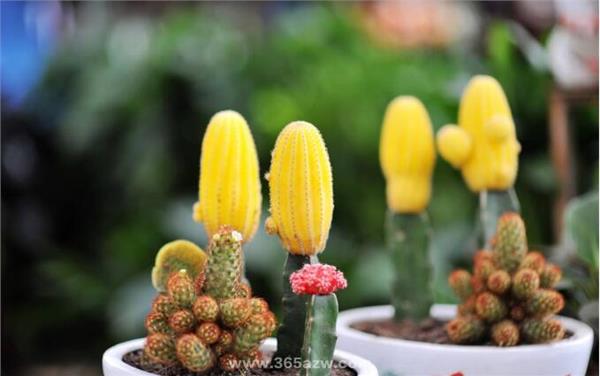
In daily life and at work, cacti have the ability to absorb electromagnetic radiation. Cacti open their stomata at night, absorbing carbon dioxide while releasing large amounts of oxygen. Placing a potted cactus indoors or in the office can indeed purify the air, release oxygen, increase air humidity, reduce the effects of radiation on the human body, and protect human health.
From a scientific standpoint, no plant can block radiation. This is because there are only two ways to block radiation: one is obstruction, and the other is using a strong electromagnetic field to deflect the rays. But a cactus placed next to a computer has neither of these functions, it simply has a relatively strong tolerance for radiation itself. The reason people say cacti block radiation is that cacti can provide a good working environment by purifying the air and releasing oxygen, thereby reducing the harm radiation causes to human health.
A potted cactus only absorbs solar ultraviolet rays. It grows in desert regions with severe solar ultraviolet radiation, so to adapt to the arid environment it has an inherent ability to resist ultraviolet radiation. The stomata of a cactus open at night, absorbing carbon dioxide while releasing large amounts of oxygen. This increases the concentration of negative ions in indoor air, so place this plant near appliances at home or in the office.
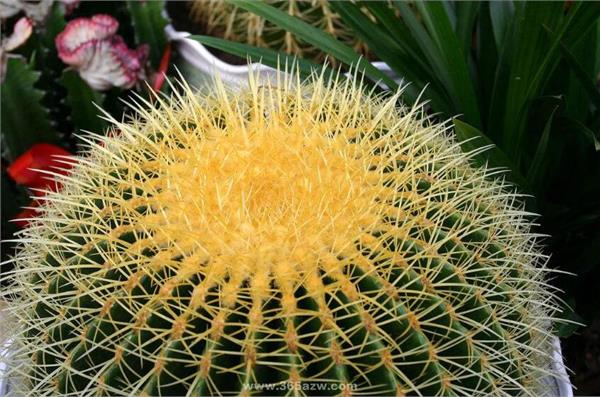
How to Grow a Cactus
1. Temperature: Cacti prefer high temperatures and dry environments. In winter, the room temperature should stay above 20°C during the day, and the nighttime temperature should not drop below 10°C. If the temperature is too low, the root system is prone to rot.
2. Light: Cacti require plenty of sunlight, but in summer they cannot be exposed to strong direct sunlight and need appropriate shading. For indoor cultivation, artificial lighting can be used to promote healthy growth.
3. Potting soil: The soil for potted cacti must have good drainage and aeration and be a lime-containing sandy soil (or sandy loam). It can be mixed from 2 parts loam, 2 parts leaf mold, 3 parts coarse sand, plus 1 part limestone gravel or old lime wall debris discarded from demolished old buildings. It can also be mixed from 2 parts loam, 2 parts coarse sand, and 1 part each of crushed brick, leaf mold and old lime wall debris. When planting, a small amount of crushed brick and tile pieces should be placed at the bottom of the pot to ensure smooth drainage.
4. Planting: Planting and potting up is best done in early spring. The pot should not be too large; it should be just large enough to hold the ball with a slight gap. If the pot is too large, the water cannot be absorbed after thorough watering, air cannot circulate in the pot, and the root system is prone to rot. A few taproot types and species such as Lophophora williamsii and the large barrel cactus require deeper cylindrical pots. Species with shallower root systems, such as Mammillaria and Rebutia, can use shallower ordinary pots.
5. Repotting method: For potted cacti, it is best to use breathable clay pots, with crushed brick particles placed at the bottom as a drainage layer. The root clusters of cacti are relatively small, so the pot should not be too large; the pot diameter should be close to the diameter of the plant body for a beautiful and harmonious look. When repotting, part of the old roots should be trimmed off. Let them dry for 4-5 days before potting up again. Do not plant too deep; the root collar of the ball should be level with the soil surface. To avoid root rot, do not water newly planted cacti; simply mist them 2-3 times a day. After half a month, a small amount of water can be given, and only after one month, when new roots have grown, can watering be gradually increased.
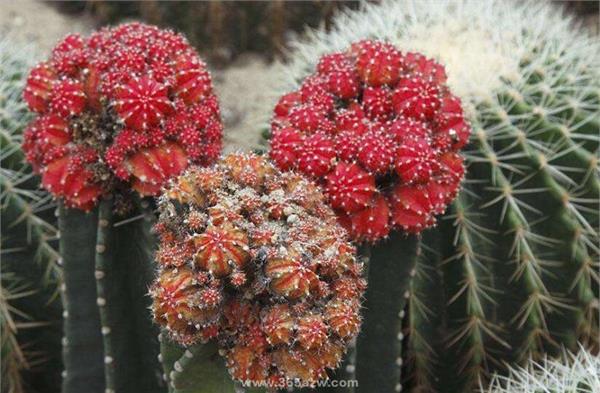
Precautions for Growing Cacti
1. Cacti require plenty of sunlight, but in summer they cannot be exposed to strong direct sunlight and need appropriate shading. For indoor cultivation, artificial lighting can be used to promote healthy growth.
2. For potted cacti, it is best to use breathable clay pots, with crushed brick particles placed at the bottom as a drainage layer. The root clusters of cacti are relatively small, so the pot should not be too large; the pot diameter should be close to the diameter of the plant body for a beautiful and harmonious look. When repotting, part of the old roots should be trimmed off, and after drying for 4-5 days they can be potted up again. Do not plant too deep; the root collar of the ball should be level with the soil surface.
3. For watering time, early morning is best in summer, while in winter it should be done before noon on clear days; in spring and autumn, either morning or evening is fine. Generally, do not pour water from the top, otherwise ugly spots will appear on the ball over time. Generally, watering must be thorough, and for this reason the soil must be loosened regularly so that the potting soil can evenly absorb enough water.
4. Preventing pests and diseases: The main pests and diseases of cacti are anthracnose, canker, scale insects and whiteflies. The main measures are controlling moisture, providing timely ventilation, and focusing on prevention. Carbendazim has some effect on anthracnose, and streptomycin is relatively effective against canker, but prevention should still be the main approach.
5. Cacti are thorny plants and flowers. When repotting and transplanting, be careful to wear gloves to avoid being pricked.