A Detailed Guide to the Medicinal Value and Cultivation Methods of Fatsia japonica
Fatsia japonica is produced in Japan and Taiwan, China, and many people may not immediately recognize what it is just from the name, but as Fatsia japonica is planted more and more widely in China, many people have seen it. Although the flowers of Fatsia japonica are not showy, they are quite elegant, and it is often used as a potted foliage plant. Although it is a potted flower, Fatsia japonica also has certain medicinal value. Today, the editor will introduce the medicinal value and cultivation methods of Fatsia japonica.
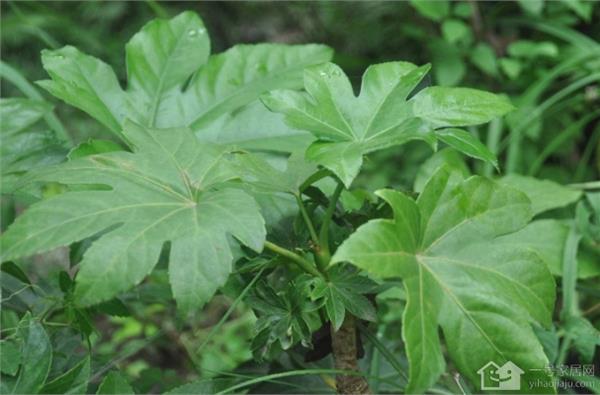
Fatsia japonica is an evergreen shrub of the Araliaceae family. Its leaves are nearly round, with 5-9 lobes. The leaves are large and glossy. Because most of its leaves have 8 lobes and the edges are sometimes golden yellow, it got its name. The flowers are yellow-white or pale green. They are gathered into terminal panicle-like cymes and bloom from October to November. Although the flowers are not showy, they are quite elegant, and it is often used as a potted foliage plant. Its medicinal value and main effects are promoting blood circulation and removing blood stasis, resolving phlegm and relieving cough, dispelling wind and removing dampness, and removing blood stasis and relieving pain. It mainly treats traumatic injuries, cough with excessive phlegm, rheumatic arthralgia, and gout.
Cultivation Methods of Fatsia japonica1. For ground planting, Fatsia japonica grows best in semi-shaded and moist places such as forest edges and ditch sides, and potted management is also convenient. The potting soil can be mixed with 3 parts garden soil plus 1 part rice husk ash, and adding some base fertilizer is even better. Potting should preferably be done before sprouting in spring. When the plant is relatively tall, it can be appropriately shortened to suit potted ornamental use. During ordinary maintenance, avoid direct exposure to strong sunlight, and placing it in a semi-shaded place such as the north side of a building with good ventilation is more suitable. During the new leaf growth period, water a little more appropriately to keep the soil moist; afterward, watering should follow the principle of alternating dry and wet. When the climate is dry, water should also be sprayed on the plant and around it to increase humidity. From May to September, apply cake fertilizer water 2 times per month. If seeds are not to be kept after flowering, cut off the residual flower stalks to avoid consuming nutrients. In winter, overwintering outdoors south of the Yangtze River is basically safe. For potted seedlings, placing them in a cold room is safer.
2. Cutting propagation is usually mostly used. Spring sowing is done in March-April of the following year, and autumn cuttings are done in August. Select 2-year-old hard branches, cut them into 15 cm long cuttings, insert them obliquely into the sand bed to 2/3 of their length, keep them moist, and seal them with a plastic arch shed and shade them. From May to July in summer, use softwood cuttings, maintain temperature and shade, and ventilate appropriately. After rooting, remove the arch shed and keep the shade shed. For sowing, collect seeds in April, pile them for after-ripening, wash the seeds, dry them in the shade, and then sow them directly or mix them with sand for stratification, store them in a cellar, and sow in the following spring. After sowing, cover with grass to keep moist. They will germinate and emerge in about 1 month. After removing the grass, spray water to keep moist, protect against cold after autumn, and they can be transplanted after staying in the bed for 1 year. For division, before sprouting in spring, dig out the root suckers of mature plants and transplant them with soil.
3. Cutting propagation is the main method. The method is: it is best done in March-April in combination with repotting. Select strong 2-3-year-old lateral branches with terminal buds, cut cuttings about 15 cm long from the upper part, insert them into the sand bed with 2-3 leaves, pay attention to shading and keeping the soil moist. When the weather is hot and dry, spray the leaves several times a day to maintain air humidity. At 20-25°C, they generally root in 1 month and can be potted in 2 months.
4. Division propagation is relatively simple and can be done in combination with spring repotting. Pour the plant that has filled the pot out of the pot, trim poorly growing roots, then divide the original plant clump into several clumps or several plants, plant them into pots of suitable size, place them in a ventilated and cool place for maintenance, and after 2-3 weeks they can be returned to normal management. Division propagation should be planted as soon as it is divided to increase the survival rate. 3. Sowing propagation is carried out after seeds are collected in late April. First allow the seeds to fully after-ripen, then sow them in a seedbed. Pay attention to shading and keep the seedbed soil moist. After sowing, they will germinate and emerge in 1 month. Pests and diseases: when mites and aphids harm the plant, the damaged leaves should be removed promptly or the aphids wiped off. In severe cases, 40% omethoate emulsifiable concentrate diluted 1500-2000 times can be sprayed for control.
The above is an introduction to the medicinal value of Fatsia japonica and the cultivation methods of Fatsia japonica. When planting Fatsia japonica, be sure to pay attention to the methods of fertilizing and watering. I believe that after reading the content introduced by the editor, everyone has gained a certain understanding of growing Fatsia japonica.