How to Grow Begonias? Detailed Guide to Cultivation Methods and Precautions
For love of the famous flower I went mad, fearing only that wind and sun would harm its red beauty. At night I submitted a green petition to the Tongming Hall, begging to borrow spring shade to protect the begonia. Many ancient literati were devoted fans of begonias, leaving behind many poems praising them. Many people with courtyards at home also like to plant some begonias, so how should begonias be grown to produce beautiful flowers? Next, follow the editor to learn about begonia cultivation methods and cultivation precautions.
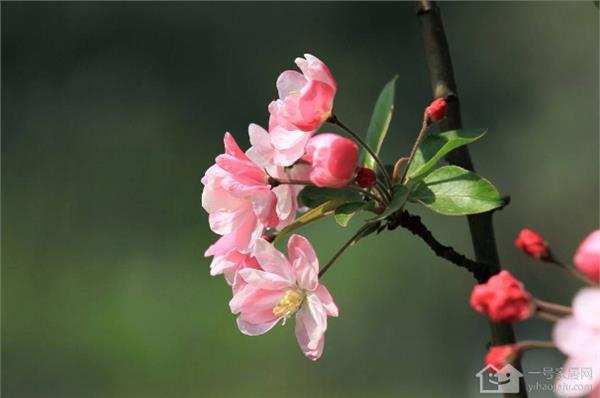
First, potting soil. The ideal potting soil for wax begonias is a mix of river sand, leaf mold and snake wood shavings. Wax begonias fear intense heat, so in summer they should be kept in a cool place for care.
Second, watering. Wax begonias like warm and moist conditions, so during the growing period, watering should be based on the plant's growth and temperature changes. Water less during the budding stage and keep the potting soil slightly dry; if too wet, it will cause root rot. During the growing period, water once every two days and often spray water around the plant to increase air humidity. Also note that when watering, do not pour from the top of the leaves and stems; water along the edge of the flowerpot, otherwise the stems and leaves are prone to water accumulation and rot.
Third, fertilizing. During the growth period of wax begonias, fertilizer should be applied according to leaf color and leaf growth conditions. Do not apply too much fertilizer, otherwise it will cause excessive leaf growth and affect flowering. Before flowering, apply an appropriate amount of phosphorus fertilizer and potassium fertilizer to improve flowering quality.
Fourth, when winter comes, dig up the bulbs and hang them for storage in a dry, ventilated place, or place the potted flowers indoors in a warm place to overwinter.
Fifth, disease prevention. During periods of high temperature and dryness, wax begonias are prone to root rot and stem rot. At the early stage of discovery, watering should be controlled in time and carbendazim should be sprayed for prevention and control. Continuous use for a period of time can show efficacy.
Sixth, winter and summer management. Due to the influence of temperature in winter and summer, wax begonias grow relatively slowly, so fertilizer and water management need to be strengthened.
Seventh, sunlight. In the peak heat of midsummer, by all means avoid exposing wax begonias to direct strong light, as this will scorch them.
Eighth, after wax begonias finish flowering, be sure to promptly remove the heart and remove the spent flowers, so that they can grow more luxuriantly.
Ninth, pests. The common disease and pest of wax begonias is the leaf roller moth. This pest uses its larvae to eat tender leaves and flowers, directly affecting the growth and development of wax begonias. In this case, if it is not particularly serious, they can be caught by hand; for serious cases, spray with a diluted solution of dimethoate.
Tenth, the flowerpot of wax begonias should usually be placed on a balcony or in a courtyard for care in partial shade. Never let direct sunlight come in, and pay attention to ventilation. About half a month after planting wax begonias, apply one application of decomposed fertilizer water. After that, during the growing period, apply a light fertilizer water once every 20-30 days. In winter, move them indoors to a place with ample sunlight, and the minimum temperature must not be lower than 10 degrees.
Begonia Cultivation Precautions1. Fertilizer. During the growing period of wax begonias, master the principle of applying thin fertilizer frequently, mainly applying decomposed odorless organic thin fertilizer water or inorganic fertilizer soaking liquid. During the seedling branching stage, apply more nitrogen fertilizer to promote the growth of branches and leaves; during the budding and flowering stage, apply more phosphorus fertilizer to promote more flower buds, so the flowers are numerous and bright. If fertilizer is lacking, wax begonia plants will wither and may even die.
2. Water. During the vigorous growth period of wax begonias, the soil needs to contain more moisture. Water promptly and keep it moist.
3. Management of summering and overwintering. Due to the influence of temperature in summer and winter, growth is slow, so fertilizer and water management need to be strengthened. In the peak heat season of midsummer, take measures to avoid strong direct light and lower the temperature, creating a small environment below 30°C for care, and keep the potting soil appropriately dry and wet. Too wet easily causes root rot, while too dry causes the leaves to wilt; as long as it is slightly moist, that is enough. If too much fertilizer is applied during this period, it will cause the stems and leaves to become tender or cause rot. In winter, as long as the temperature is kept above 10°C, they can overwinter safely. In summer and winter management, if the temperature can be controlled below 30°C and above 10°C, watering is appropriately dry and wet, and fertilizing is moderate, the plants will certainly be robust and can achieve continuous flowering in all four seasons.
The above is the relevant introduction to begonia cultivation methods and cultivation precautions. We believe that after reading the above content, everyone can generally understand the key points of growing begonias. For more knowledge related to home plants, please continue to follow No. 1 Home Network.