How do you care for household flowers? Master the growing methods to grow flowers well
If you have flowers at home, you can see beautiful blooms every day, and your mood will be much better. To keep flowers growing without withering, many people grow flowers directly at home, and knowing the growing methods is very important. So, what are the growing methods for household flowers?
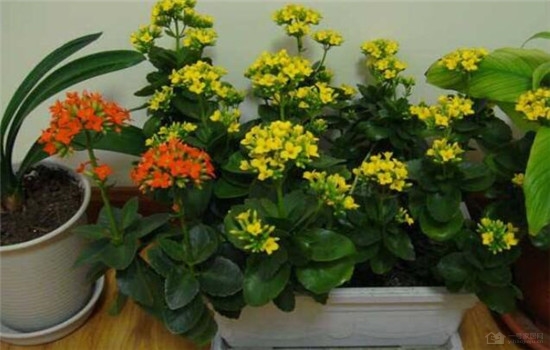
Growing methods for household flowers
Dracaena marginata, a neutral plant, is suitable for planting in semi-shade. To care for Dracaena marginata, you only need to give it a little attention, keep the potting soil moist, fertilize regularly, and maintain ventilation, and it can grow for a long time. Placed indoors, its leaves and roots can effectively absorb harmful gases and break them down into non-toxic substances, something other plants cannot compare with.
English ivy is also a neutral plant, fond of warm sunlight, and suitable for planting in semi-shade. Usually pay attention to the amount of watering, keep the potting soil moist, maintain ventilation, and fertilize regularly, and it will grow well. English ivy can effectively resist the carcinogens in nicotine; it absorbs harmful substances through the tiny stomata on its leaves and converts them into harmless sugars and amino acids.
Peace lily is a shade-loving plant, suitable for a warm, dark, and humid environment. In daily care, keep the potting soil moist, fertilize regularly, and mist the leaves often to keep the air humid. Peace lily is an "expert" at suppressing the waste gases exhaled by humans, and it can also filter harmful gases such as formaldehyde from the air. The high evaporation rate of the peace lily can prevent the nasal mucosa from drying out, greatly reducing the likelihood of illness.
Areca palm is a sun-loving plant; it needs sufficient sunlight to grow. Care requires keeping the potting soil moist and fertilizing regularly. Although it likes sunlight, it needs shade in midsummer, and the soil should be fertile and loose. Areca palm can evaporate one liter of water per day, making it the best natural humidifier. In addition, it can effectively purify indoor air; frequent misting not only keeps it green but also cleans the stomata on the leaf surface.
Golden pothos cannot tolerate direct strong light; it is suited to gentle indoor light. Water daily to keep the soil moist but not waterlogged, as waterlogging easily breeds mosquitoes. Fertilizing once every one to two months can make the leaf color more glossy and bright, but avoid fertilizer directly touching the leaf surface. Growing golden pothos indoors can effectively absorb chemicals in the air and break down the lingering odors after renovation.
For Philodendron 'Imperial Green', choose slightly acidic peat soil or soil with high humus content plus a small amount of sandy soil or perlite, use decomposed farmyard manure as base fertilizer, and apply topdressing during growth as needed. Watering should be thorough and adjusted flexibly according to season and temperature; in principle, keeping the potting soil moist is suitable. The suitable growth temperature for Philodendron 'Imperial Green' is 20-30°C, air humidity should not be lower than 70%, and the autumn temperature should be kept above 14°C. Repot once every spring, and remove dead and old leaves to keep the tree shape attractive.
The growing methods for household flowers are as above. There are many flowers suitable for growing at home; everyone can choose a variety they like and that is easy to grow. Since you have grown flowers, you must take good care of them. If you do not plan to care for them, it is suggested that you not grow flowers from the start.