How to Grow and Care for the Mistletoe Cactus
The mistletoe cactus is a plant similar to the cactus, belonging to the Cactaceae family. Its growth habits are also fairly similar to those of cacti, and it is likewise a plant that is relatively easy to keep alive and grow. Many people like to grow mistletoe cacti into bonsai of all kinds of shapes, which takes a bit more effort. If you really want to make a mistletoe cactus bonsai, then first you have to learn how to grow the mistletoe cactus. Next, follow along with the editor to learn how to grow the mistletoe cactus.
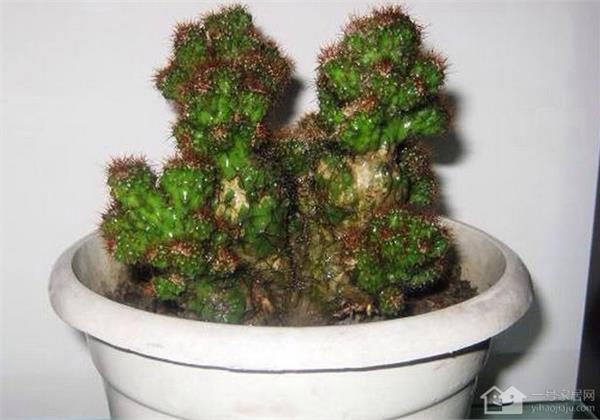
The mistletoe cactus likes sunlight, tolerates drought, tolerates poor soil, and also tolerates shade. For potted plants, choose a sandy soil that is well aerated, well drained, and rich in lime. The mistletoe cactus is not suited to overly moist soil or an environment with too little light. Watering should be sparse rather than frequent; water once every 3-5 days, keeping the soil slightly dry, which makes the plant grow slowly, thick and plump, with a beautiful shape. The mistletoe cactus generally does not need fertilizing. Each year when repotting, just place a small amount of crushed bone meal or organic fertilizer at the bottom of the pot as a base fertilizer. Never apply high-concentration chemical fertilizers, otherwise fertilizer burn will occur and the loss will outweigh the gain; you can also use organic fertilizers such as sesame paste residue, fermented into a liquid fertilizer and diluted, to water the potting soil.
Watering the mistletoe cactus should follow the principle of "alternating dry and wet," preferring dry over wet. There must be no absolute interval between waterings; it should be adjusted flexibly according to factors such as weather, temperature, light, and ventilation. The mistletoe cactus should be given less water and fertilizer, otherwise it is prone to root rot, or it may grow leggy and deformed, showing a "reversion" phenomenon and growing into a columnar shape, losing its ornamental value. For overwintering in winter, move the mistletoe cactus indoors promptly when the outdoor ambient temperature drops below 5°C, place it in a sunny spot, and maintain the room temperature between 5-10°C for safe overwintering. If the temperature drops suddenly, you can cover it with a plastic bag to keep it warm.
Like other cactus-family plants, the mistletoe cactus is very easy to propagate and keep alive. The mistletoe cactus is propagated by cuttings, which can be done throughout the year, preferably in April-May. The specific method is: select a small modified stem of the mistletoe cactus, cut it off and let it dry for 1-2 days, and once the cut surface has dried, insert it into the soil. Do not water at first; press the soil down and cover it, and you may spray a little water to keep it moist. Generally, under suitable temperature conditions (14-23°C), it will root in about 20 days and can then be transplanted. Cuttings taken during the plum rain season or the hot summer days will have a somewhat lower survival rate.
To make a medium-sized mistletoe cactus bonsai, you need 7-9 cuttings of varying lengths. Plant 2-3 longer cuttings and 1-2 shorter cuttings at one end of the pot, and plant the remaining 3-4 cuttings at the other end of the pot. The cuttings should have a certain layering, achieving an effect of staggered heights, well-proportioned spacing, uneven lengths, and short in front with tall in back. Leave a certain open space between the two groups of cuttings, like a patch of grass between two big mountains. To prevent the cuttings from tilting and falling over, a few pieces of water-absorbing stone or small bricks should be buried in appropriate positions.
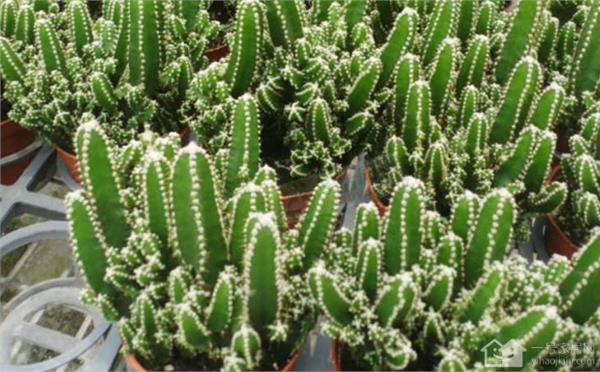
1. Watering: In the climate environments the mistletoe cactus can adapt to, it can be kept in a moist state, so watering should be plentiful but infrequent. Under normal conditions, water once every half month; in the hot summer, once a week; in winter and during the plum rain season, watering can be paused to avoid root rot and death of the plant.
2. Humidity: In the rainy season, or when the mistletoe cactus is kept in a damp and shaded environment for a long time, it is often susceptible to bacterial infection. Therefore, whenever it rains, the plant should be protected from the rain and the leaves kept dry at all times. The suitable humidity is about 40%, and it must not exceed 60%.
3. Light: Although the living environment the mistletoe cactus prefers is damp and shaded, it still needs ample light, and the mistletoe cactus also has an anti-radiation effect. The temperature should be kept at about 10°C; below 5°C it needs to be moved indoors, and it needs at least 5 hours of light each day.
4. Winter care: The mistletoe cactus is peculiar in its survival; in winter it can be kept indoors directly, while outdoors it can simply be wrapped in plastic wrap, but if the temperature exceeds 25°C, the plastic wrap should be opened for ventilation.
5. Pests and diseases: The care of the mistletoe cactus is extremely similar to that of the cactus, and it has relatively few pests and diseases, but if grown in a stuffy, poorly ventilated environment, it can be infected with red spider mite disease. In that case, spray carbendazim and provide timely ventilation.