How to grow a sago palm bonsai? Seven care methods you need to master
The sago palm bonsai is a potted plant, and if it is managed well it can grow very beautifully. Many people like the characteristics of the sago palm bonsai, feeling that it is a plant that craves sunlight, but they also need to know its daily growing methods. Below, the editor introduces the sago palm bonsai growing methods for you.
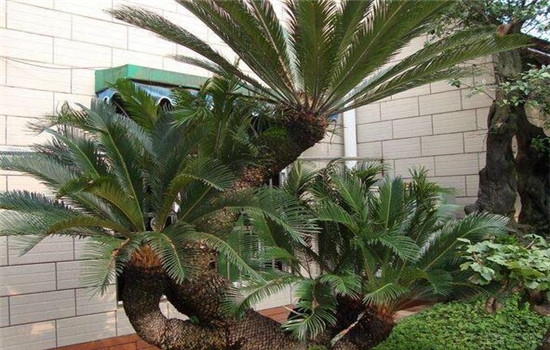
Sago palm bonsai growing methods
(1) Placement environment The sago palm should be placed in a sunny, warm, humid, and well-ventilated location. In winter it should be placed indoors to overwinter; if overwintering outdoors south of the Yangtze River, the plant should be wrapped in cattail bags, straw bags, or plastic bags. Or cut off all the leaves and place it in a sunny, wind-sheltered spot.
(2) Watering During the spring and summer growing season, the pot soil should be kept moist, but it must not become waterlogged. In the high heat of midsummer, spray water on the leaf surfaces often to keep the leaves bright green. In winter the sago palm enters dormancy, and its ability to absorb water is very small, so the pot soil should be dry; if the pot soil is too wet, it will cause root rot.
(3) Fertilizing In the vigorous growing season, apply topdressing often, mainly nitrogen and potassium fertilizers. Water from decomposed cake fertilizer is best. When fertilizing, pay attention to applying light fertilizer frequently, and never use it too concentrated. To promote deep green and glossy leaf color, add an appropriate amount of ferrous sulfate solution to the fertilizer.
(4) Pruning To keep the sago palm bonsai looking beautiful, the old leaves from the previous year and the withered yellow leaves should be cut off. Leaves that are too dense or too long should also be pruned as appropriate, to keep the tree shape symmetrical.
(5) Repotting Repot once every 2 to 3 years, preferably in spring from March to April. When repotting, cut off dead roots and bad roots, remove 1/2 to 2/3 of the old soil, and replace it with fertile, loose new growing medium, so the plant grows vigorously. At the same time, pay attention to leaving the bottom of the pot hollow to allow air and water to pass through. (6) If you want to cultivate a sago palm bonsai with a certain artistic quality, just cut off all the original old leaves after the beginning of spring so it becomes a bare tree, strictly control watering (sometimes it can go more than ten days without water, but it should be fertilized appropriately, especially with more iron-containing fertilizer), and in May and June new leaves will sprout. Give it full sunlight (the longer the light, the better). If the leaves emerge right during the yellow plum rainy season, strictly keep it out of the rain. Often spray water on the leaf surfaces to remove dust, and this will ensure it returns to normal growth; the new leaves that emerge will be short and thick, with an oily glossy color and a slight natural curl, giving it great ornamental value. If you want to make a combined-planting sago palm bonsai, you can find three plants of different heights and plant them together as an unequal-sided triangle; if you use only two plants together, they should be planted one leaning down and one leaning up, still forming an unequal-sided triangle, and its ornamental value is relatively high.
(7) Pest and disease control The sago palm has hard trunks and tough leaves, so there are relatively few pests and diseases. The main one is scale insects, which can be killed by washing them off by hand. If yellowing of the leaves sometimes occurs, you can water it with a diluted 1% ferrous sulfate solution. Note the placement location: ventilation and light, and cleanliness and hygiene can prevent pests and diseases from occurring.
The sago palm bonsai growing methods introduced in the article are suitable as a reference for everyone; whether they can be applied flexibly when actually growing a sago palm bonsai still depends on the actual situation each person encounters. A reminder to everyone: when growing a sago palm bonsai or other green plants, it is very important to put in more effort and care.