How to Grow Impatiens walleriana? Is It Toxic? Everything Explained in One Article
We know there are far too many kinds of flowers on the market. For example, in the application of herbaceous flowers in Europe and America, this Impatiens walleriana can be said to rank first. Moreover, this flower also provides a wide range of bright colors, and most importantly, it has vigorous growth and is also very simple to manage. Below, the editor will introduce to you how to grow Impatiens walleriana and whether Impatiens walleriana is toxic.
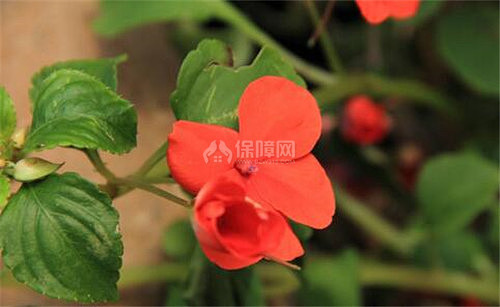
How to Grow Impatiens walleriana
1. Soil: The potting soil for growing Impatiens walleriana must be loose, fertile sandy loam, such as 1/2 peat soil or leaf mold mixed with 1/2 sandy loam, and it is also possible to add some decomposed cake fertilizer powder or commercially available chicken manure, which is even better. Generally speaking, choosing some loose, fertile soil is relatively more suitable for the growth of Impatiens walleriana, especially suitable for the growth of the root system of young plants.
2. Temperature: Impatiens walleriana is relatively sensitive to temperature. The suitable growth temperature generally needs to be controlled at 15-25°C, and the winter temperature cannot be lower than 12°C. Below 5°C, Impatiens walleriana suffers cold damage. When Impatiens walleriana is blooming, if the temperature is higher than 30°C, this will also cause flower drop.
3. Watering: After Impatiens walleriana is planted, it should be watered promptly. During the growth period, special attention should also be paid to watering, and the potting soil must often be kept moist. Especially in summer, remember to water more, but there must be no waterlogging or long-term excessive wetness of the soil. If there is a lot of rain, it should be drained to prevent waterlogging, otherwise the roots and stems of Impatiens walleriana are prone to rot.
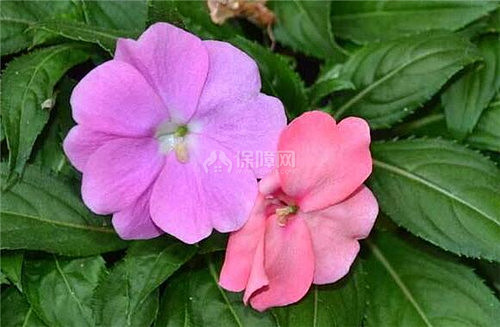
4. Light: Impatiens walleriana likes light and is also shade-tolerant, but it should be noted here that it needs to receive at least 4 hours of scattered sunlight every day. In summer, shade it, but be careful to prevent excessively high temperatures and direct sun exposure. Impatiens walleriana avoids strong light. It is best to place it in a place with half-day light or 70% light, and spray water around it often. This can keep the plant full and blooming continuously.
5. Fertilizing: After Impatiens walleriana is planted, fertilize frequently. As the plant grows, fertilizer and water management must be strengthened. A dilute organic liquid fertilizer or 0.3% compound fertilizer can be applied once every 10 days.
6. Pruning: After Impatiens walleriana is planted and survives, it can be pinched back once to promote side branches, which is beneficial for more branching and more flowering. We know that generally speaking, the older ones will show degeneration in flowering, and the plant will also be less attractive. New plants should be replaced through cuttings, but attention must be paid to pruning techniques.
7. Pests and diseases: Impatiens walleriana often suffers from leaf spot disease and stem rot. It can be controlled by spraying with a 1000-fold dilution of 50% carbendazim wettable powder. The main insect pest of Impatiens walleriana is aphids, which can be killed by spraying with a 3000-fold dilution of 10% fenpropathrin EC.
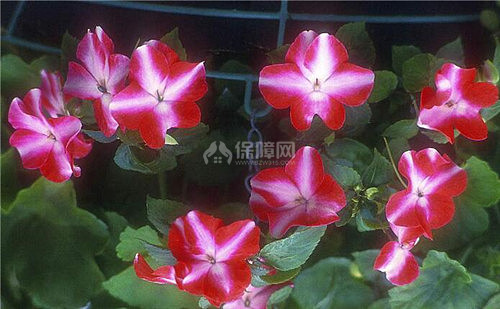
Is Impatiens walleriana Toxic
It has been circulating online that Impatiens walleriana is toxic, and it was also said to have a carcinogenic effect and is not suitable for potted planting. In fact, this statement has so far not been scientifically verified, and research also shows that the stems and seeds of Impatiens walleriana can be used as medicine.
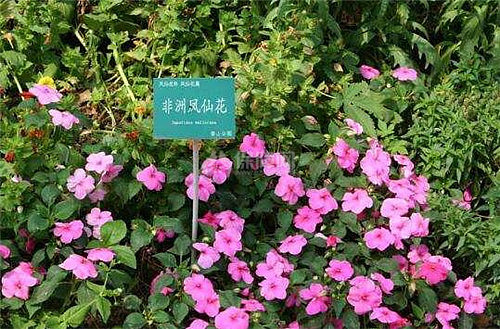
The relevant content about how to grow Impatiens walleriana and whether Impatiens walleriana is toxic is introduced here. So many cultivation methods have been introduced above. In fact, this flower is not very difficult to grow, as long as you pay attention in each aspect. I hope this introduction is helpful to you.