Learn jasmine cultivation methods to fill your home with the fragrance of jasmine
There are many descriptions of jasmine in literature, film and television works, and many people also like jasmine; it is pure white, quiet and fragrant. To better keep jasmine, many people grow it indoors so it can grow more beautifully. Below is an introduction to jasmine flower cultivation methods.
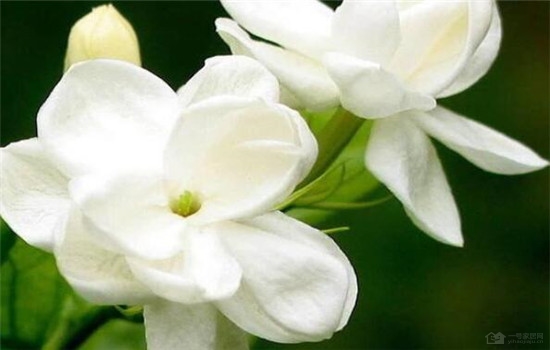
1. Potting soil selection and potting methods for jasmine cultivation
The growing soil for potted jasmine should be rich in organic matter and have good water retention, water permeability and air permeability. You can mix 4 parts leaf mold, 3 parts garden soil, 2 parts river sand, and 1 part cake fertilizer or livestock and poultry manure to make the growing soil, or mix 5 parts leaf mold, 4 parts sandy loam, and 1 part cake fertilizer evenly, and place bone meal etc. at the bottom of the pot as base fertilizer.
Potting is best done in March to April before new shoots sprout. After potting, place it in a slightly shaded place to avoid direct sunlight. After it resumes normal growth, give it sufficient light.
Potted jasmine should be repotted once every 1 to 2 years into fresh growing soil. When repotting, generally do not remove the roots, but water thoroughly, place it in a shaded place to recover growth, and pay attention to loosening the soil.
2. Watering methods for jasmine cultivation
Whether watering is appropriate is the key to whether potted jasmine grows well. If watered too much, the leaves will suddenly turn yellow; if the potting soil is too wet for a long time, it will cause poor soil aeration, leading to root rot, yellowing and falling leaves, and even plant death. If root rot is caused by excessive watering, you can move the flowerpot to a cool place, stop fertilizing, control watering, and loosen the soil frequently to make the potting soil well aerated and encourage the plant to sprout new roots.
Watering should be determined according to season and temperature. In spring, from April to May, it begins to grow branches and leaves, and water consumption is not large, so water once every 2 to 3 days, preferably around noon; June is the spring flowering period, so watering can be slightly more, once a day; summer July to August is the high-temperature period and also the peak flowering period of jasmine, so water once in the morning and once in the evening, and at the same time spray water on the leaves 1 to 2 times a day, and sprinkle water around the flowerpot to increase air humidity; in autumn, gradually reduce the amount of watering, and in September to October water once every 1 to 2 days; in winter, strictly control the amount of watering and keep the potting soil slightly moist, generally watering once every 5 to 7 days. If the potting soil is too wet, the roots are prone to turning black and rotting, and the leaves turn yellow and fall off. When you find that the leaves have just begun to turn yellow, pay attention to stopping watering, let it dry for a few more days, and then gradually water appropriately to help it resume normal growth.
Jasmine likes slightly acidic soil; if the soil is alkaline, the leaves will turn yellow. During the growth period, water once every 10 to 15 days with 0.2% ferrous sulfate water to keep the potting soil acidic.
3. Fertilization methods for jasmine cultivation
Jasmine has a long flowering period and needs more fertilizer, so the potting soil must be fertile enough. Master the principle of applying thin fertilizer frequently, especially during the flower bud formation period when fertilizer cannot be lacking. But applying too much or too concentrated fertilizer can easily cause root rot. The best time to fertilize is in the evening; before applying, loosen the potting soil, and be careful not to fertilize when the potting soil is too dry or too wet. The effect is best when the potting soil is half-moist. Jasmine likes acidic soil, so "alum fertilizer water" can be used as a top dressing. From the beginning of spring sprouting to late September, apply 1 time of fully decomposed dilute cake fertilizer water every 7 to 10 days, with a concentration of 15% to 20%;
During the bud pregnancy and flowering period, apply thin fertilizer frequently, about 1 time every 5 to 7 days, with a concentration of 10% to 15%. When fertilizing, increase the application of phosphorus and potassium fertilizer. You can add 0.1% to 0.2% potassium dihydrogen phosphate or 0.5% superphosphate solution to the cake fertilizer liquid to promote flower bud differentiation; if nitrogen fertilizer is applied too much for a long time and phosphorus and potassium fertilizer are insufficient, it is easy for the plant to grow excessively, affecting flower bud formation and causing no flowering or very little flowering. Starting from October, fertilization should be stopped to improve branch maturity and help overwintering.
The jasmine flower cultivation methods are as above. If you want to grow jasmine well, it is recommended to start with fertilization, watering, soil and other aspects. I believe that by paying attention to these elements, the jasmine in your home will definitely be grown better and better, and the flowers will bloom more brilliantly.