A complete guide to growing dragon bone (Euphorbia tirucalli) plants, easily adding indoor and outdoor beauty
When growing dragon bone plants, they are mostly kept in pots; growing dragon bone plants in pots is a very good choice. In southern regions, potted dragon bone plants are suitable for outdoor open-ground cultivation, while in northern regions they are suitable for keeping indoors. To give everyone a deeper understanding of how to grow this flower, the editor introduces the growing methods for dragon bone plants.
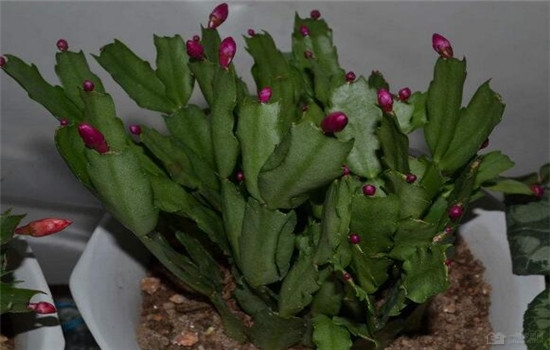
Growing methods for dragon bone plants
During the growing season, dragon bone plants can have plump or older stem segments cut off and inserted into a sand bed or directly into soil. When the temperature exceeds 35°C, cuttings should be stopped. Cuttings generally must not be shorter than 15 cm; after cutting, they need to be dried for a few days, and once the cut surface is dry, they can be inserted for rooting. When the roots are 3-4 cm long, they can be transplanted into small pots or planted directly in open ground.
Potted plants should be placed in a semi-shaded spot. In South China and southern Fujian, they can be cultivated in open ground, preferably planted beside a wall or a large tree so they can climb. During the growing season, they need thorough watering, with decomposed liquid fertilizer applied once every half month. In winter, watering should be moderated and fertilization stopped. Dragon bone plants are relatively easy to grow; during the spring and summer growing period, they must be watered and misted thoroughly.
Fertilize once every half month; in winter, control watering and stop fertilizing. Potted plants rarely bloom; when grown in the ground, they can only form buds and bloom when the plant height reaches 3-4 m. When used in southern open-ground cultivation as climbing hedge greenery, frequent pruning is needed to help the stem segments distribute evenly and the flowers bloom more abundantly. If too shaded during cultivation, it will cause the leaf-like stems to grow leggy and affect flowering. Bamboo poles or cement posts can be used to build a trellis for cultivation.
After cuttings, dragon bone plants should be watered frequently and kept moist. During the growing season, fertilizer and water should be sufficient, generally with decomposed liquid fertilizer applied once every half month. The optimum growing temperature is 25°C. The cuttings of dragon bone plants actually use parts of the plant; because it is very drought-tolerant, each bundle is then tied and packed into boxes. Immediately place the prepared cuttings in a temperature-controlled environment for storage.
The cuttings of dragon bone plants can usually be stored under the above conditions without affecting their use. The flowering period is in November, with intervals of about 20 days between each period. The size of the flower is after budding. At this time, it is also the best harvest period. The best harvest time is in the early morning after the flowers open. Dragon bone plants are often used after cutting and rooting as rootstock columns for grafting Christmas cactus and ball cacti, and one column can also be used to graft two or more plants of the same family, which is of important value in artistic flower cultivation.
During growth, dragon bone plants are easily troubled by diseases such as soft rot and stem blight. When purchasing, observe carefully; never buy unhealthy plants. During cultivation, if disease symptoms are found, the diseased plant and the cultivation soil should immediately be discarded together. If the disease is mild, the affected parts can be cut off, and after the cut surface dries, plant them into newly prepared soil. The old soil must all be thrown away. After dragon bone plants become diseased, pesticides generally should not be sprayed, otherwise growth will be affected.
If you look closely at growing methods for dragon bone plants, there are actually many methods not presented here. If you want it to grow well, you must be able to understand its cultivation methods, so that when you encounter any problems during cultivation you will not panic and can respond in time.