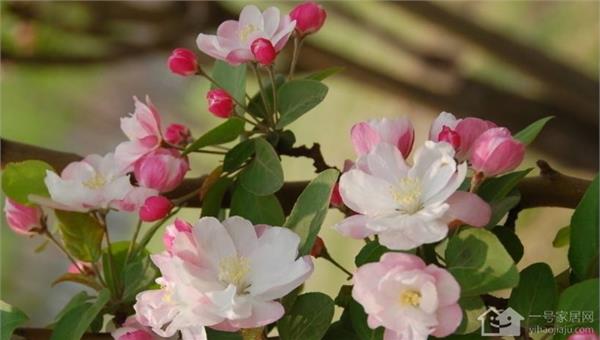
How to grow crabapple flowers? A detailed guide to caring for houseplants
Some people call the crabapple flower the "heartbreak flower," expressing the sorrow of parting. The crabapple flower also expresses the homesickness of a traveler far from home and the sadness of separation, and so the flower language of the crabapple flower carries a sense of "bitter love."
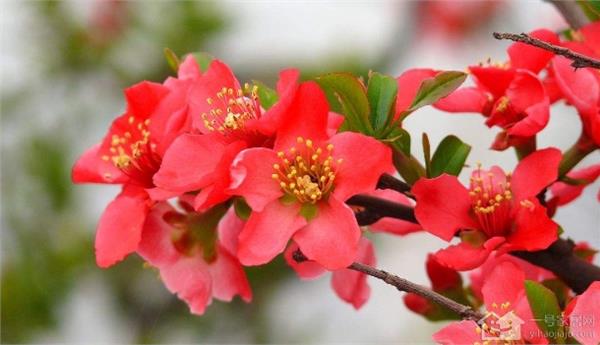
There have always been many poems depicting the crabapple, and the homesickness the crabapple flower carries, along with the beauty it brings to people, have inspired much verse. Su Shi once wrote the poem "Living East of Dinghui Temple, Where Flowers Fill the Mountain, There Is One Crabapple Tree That the Locals Do Not Know Is Precious," in which he praised the crabapple flower's preciousness and beauty, also reflecting the heart of a flower lover who truly loves flowers.
Cultivating crabapple flowers
Crabapple flowers can be propagated by sowing seeds, dividing offsets, and grafting. The sowing season for crabapple is generally autumn sowing, though spring sowing is also possible. Crabapple grows very slowly, and it takes about 5 years from planting to flowering.
The crabapple flower is a very cold-hardy plant, so when grown in the south, crabapple can be placed outdoors without any problem. Crabapple flowers generally bloom once a year, in the spring.
Planting crabapple flowers
When planting crabapple flowers, attention must also be paid to water control. The soil for growing crabapple should be kept consistently moist. In dry seasons, watering by spraying can be used to increase air humidity. Be careful not to let too much water accumulate in potted crabapple, otherwise it will cause the crabapple's roots to rot. As for fertilizing crabapple flowers, be careful not to splash fertilizer on the leaves, and also note that fertilizing is not suitable during the crabapple's flowering period or in summer.