A Detailed Guide to the Edible Methods and Cultivation Techniques of Taishui Lingzhi
Taishui Lingzhi, also known as Rou Lingzhi (meat lingzhi), according to reliable records: Taishui Lingzhi is the legendary elixir of immortality sought by ancient emperors. "Compendium of Materia Medica" also contains records of Taishui Lingzhi, classifying it under the "vegetable" section's "zhi" category; Taishui Lingzhi can be consumed and can also be used as a medicinal material, and was rated as a top-grade medicinal material in the "Compendium of Materia Medica". Taishui Lingzhi itself reproduces through spores, bacteria and other microorganisms, so its activity is extremely strong, with a very powerful growth capacity.
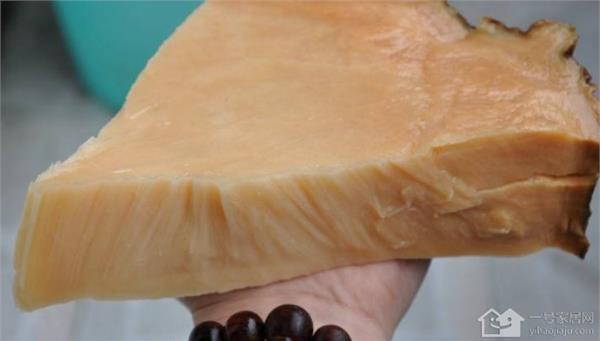
I. How to Cultivate Taishui Lingzhi
Before cultivating Taishui Lingzhi, readers should understand that Taishui Lingzhi can now be divided into two types: one is Taishui Lingzhi that grows naturally in a natural environment, and the other is artificially bred Taishui Lingzhi cultivated and reproduced from natural Taishui Lingzhi. The two prefer different environments, so attention should be paid to the cultivation environment.
In its natural growing environment, Taishui Lingzhi is found in soil 20 to 100 m below the surface, so the environment it prefers is soil. When cultivating Taishui, the temperature should be controlled at 20 to 26°C; at this temperature Taishui grows relatively fast, but the maximum temperature should preferably not stay above 35°C for long, because natural wild Taishui does not like excessively high sustained temperatures.
It is also fine if the temperature occasionally drops below 20°C. The lower the temperature Taishui is in, the slower its growth rate. In an environment of around ten-plus degrees, Taishui Lingzhi enters a dormant state; below 4°C it simply hibernates; even below zero it does not matter, as wild Taishui will only stop growing. As long as a suitable temperature is provided, wild Taishui Lingzhi will continue to grow. Because wild Taishui grows in soil, it should also be placed in a light-shaded environment during artificial cultivation, because Taishui Lingzhi does not like direct sunlight. Choose soil with more microorganisms, and the premise is that the Taishui Lingzhi must be large enough in volume before it can be placed there.
When cultivating Taishui Lingzhi in water, note the following: room temperature should be between 26 and 28°C; at this temperature Taishui Lingzhi grows relatively fast. Because the cultivated artificial Taishui is always in water, it can even less be kept away from a water source for long periods; simply place it in a light-shaded spot at room temperature and do not let direct sunlight shine on it. The container should be a glass container with relatively high sealing performance, and the water quality should be clean water free of pollution.
II. How to Eat Taishui Lingzhi
(1) Cut a few small pieces from the Taishui Lingzhi, rinse them once with clean water, and wash away the mud attached to the surface of the small Taishui Lingzhi pieces.
(2) Put the washed small pieces of Taishui Rou Lingzhi in a bowl, pour in some dedicated heavy metal cleaning liquid, and generally leave them for about one week. Only in this way can the harmful substances in the Taishui Lingzhi be removed.
(3) After seven days, put the small pieces of Rou Lingzhi that have been cleaned a second time into clean water for five minutes, then directly put them in a bowl, pour in half a bowl of water, and store it in a ventilated place.
(4) After the water used to soak the Taishui Lingzhi turns yellow, it can be poured into a cup and drunk directly. Since Taishui Lingzhi has a strong antibacterial effect, there is no need to boil the water again.
Note: When drinking Taishui Lingzhi water, do not drink alcohol, so that it can better play an absorbing role.
Rapidly cultivating Taishui Lingzhi is not the purpose of cultivating Taishui Lingzhi. The main reason is to make the cultivated Taishui Lingzhi play a role; soaking Taishui Lingzhi to make Taishui water for consumption is also beneficial to the body. Cultivating it in water can not only soak out Taishui water, but also keep the body of the Taishui growing continuously. Overall, when cultivating Taishui: suitable temperature, sufficient microorganisms and sunlight can directly affect the growth rate of Taishui Lingzhi. Although Taishui Lingzhi can regenerate after being cut at will, it is by no means the endless growth that everyone rumour-mongers about; if it could grow rapidly, it naturally would not be rare. So do not follow some unverified claims and damage Taishui Lingzhi at will, causing unnecessary losses.