How do you grow chrysanthemums so they bloom beautifully? Remember these eight key points
Many people like to buy some festive plants to decorate their homes during the New Year, and chrysanthemums are always present in the New Year plant market every year. Growing chrysanthemums is not difficult, and many people grow some chrysanthemums at home themselves, but if you want chrysanthemums to grow lushly and bloom beautifully, then you should pay attention to the following eight key points in chrysanthemum cultivation.
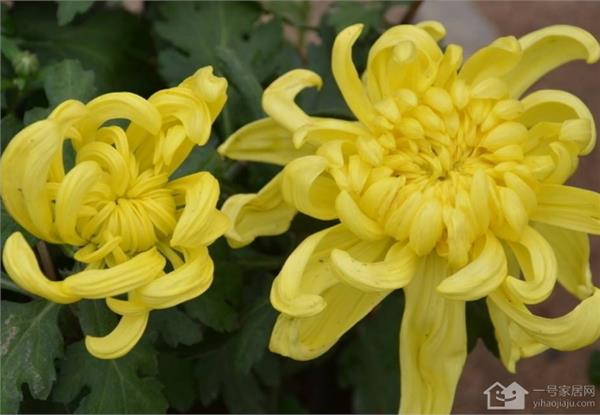
1. Shaping and pruning
Regularly pruning the branches and leaves of chrysanthemums is also good, as it can make the chrysanthemums more ornamental.
2. Soil
The first step in planting chrysanthemums is that the soil must be good; it must be loose, fertile, slightly acidic sandy soil, and they must also be grown in an environment with good drainage, so as to ensure that the chrysanthemums bloom well.
3. Light
Chrysanthemums need 14.5 hours of sunlight every day to grow lushly, so they should not be placed in dark and damp places.
4. Controlled fertilization
Chrysanthemums need sufficient organic fertilizer to grow, especially during the vegetative growth stage; the topdressing should mainly be nitrogen fertilizer, and some phosphorus and potassium fertilizers and trace element fertilizers can also be applied along with it, which can promote thick and upright chrysanthemum branches and also make the leaves plump.
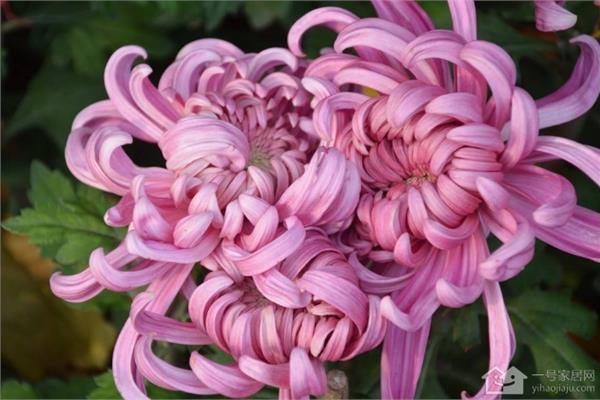
5. Water
Water chrysanthemums according to the principle of "water promptly when dry, drain promptly when waterlogged", ensuring sufficient water; it should not be half dry and half wet, nor too dry or too wet. Spray water at least once a day.
6. Placement
In addition to routinely dealing with the soil in the pot, fertilizing and watering, appropriately placing chrysanthemums in a place with sufficient sunlight is also a good way to promote chrysanthemum growth.
7. Bud rubbing and bud thinning
During the strong seedling stage of chrysanthemums, many axillary buds will sprout, and they must be pinched off in time, otherwise they will consume a large amount of nutrients. During the bud stage, side buds sometimes appear on the small branches below the terminal bud; apart from those that need to be kept, the side buds should also be removed early to promote the enlargement of the terminal bud. Also note that in the late growth stage and flowering stage, branches that affect flowering and flower quality can be removed as needed, and spent flowers should be cut off in time to save nutrients and meet the nutrient needs of later-blooming flowers.
8. Pest and disease control
The main pests and diseases of potted chrysanthemums include powdery mildew, brown spot disease, aphids, mite pests, and so on. Many diseases mostly occur in environments with high air humidity, insufficient light, poor ventilation, and large temperature differences between day and night. Therefore, reasonably controlling temperature and humidity, as well as water, is the main means of preventing these diseases.