How to Grow Alocasia (Dumb Cane): Adding a Touch of Freshness to Your Home
Many people hear that Alocasia (also known as Dumb Cane) is toxic and immediately don't know how to grow it. In fact, when growing Alocasia, you only need to pay attention to climate and water. So, specifically, what should you pay attention to when it comes to Alocasia care methods?
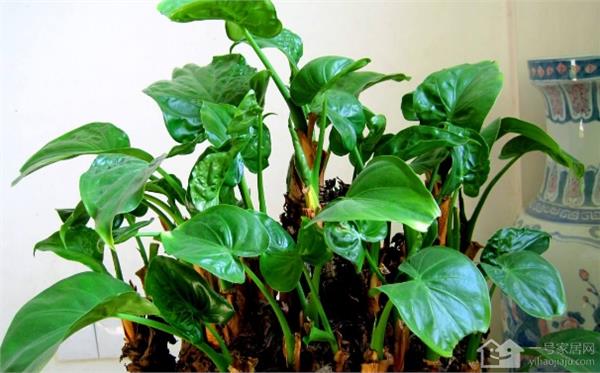
How to Grow Alocasia
1. Growing Temperature
20-25°C is the most suitable growing temperature for Alocasia. When room temperature drops below 18°C, Alocasia will enter a dormant period and stop growing. Alocasia prefers a warm, humid, and semi-shaded environment. During cultivation, you must pay special attention to seasonal changes. Especially now that summer is approaching, be particularly careful to place Alocasia in a semi-shaded, well-ventilated spot, and mist the leaves frequently to maintain air humidity. Avoid excessively high temperatures that could cause Alocasia to develop problems. Alocasia is not very cold-resistant; depending on the temperature differences between north and south, it needs to be moved indoors during autumn and winter.
2. Fertilizing
The fertilizing cycle for Alocasia is once a month. A supplementary feeding must be given every 2 weeks. The potting soil should also be kept moist. Fertilizing requirements: use a thin liquid fertilizer based on nitrogen fertilizer mixed with phosphorus and potassium fertilizers. When top-dressing, avoid pouring the fertilizer water onto the leaf sheaths, as this will cause Alocasia to rot. If you want Alocasia leaves to be large and green, applying some ferrous sulfate will achieve this. If you want Alocasia to look attractive, avoid nutrient deficiency; once deficiency occurs, the stem of Alocasia will shrivel and become bare.
3. Soil
Although Alocasia doesn't have very high soil requirements, I have tried ordinary garden soil, nutrient soil, and pure sand, and found that Alocasia grown in garden soil grows relatively slowly, is thin and weak, and appears malnourished; Alocasia grown in pure sand grows well during the seedling stage, but the results are poor later on, with Alocasia remaining relatively short; Alocasia grown in nutrient soil has sturdy plants, large leaves, and grows very quickly. My Alocasia grew from the seedling stage to over one meter tall in about 6 months.
4. Light
Alocasia prefers a semi-shaded environment, though some growers' Alocasia grows perfectly well directly in the yard. Here I should explain to fellow growers why it's said that someone else's plant can grow well in a certain environment but yours cannot. Plants themselves have a process of adapting to the external environment. Although Alocasia prefers a semi-shaded environment, in order to survive, it will also adapt to other environments, but this requires a process. That's why some growers say their plant just won't die no matter how they grow it, because that plant has already adapted to the environment.
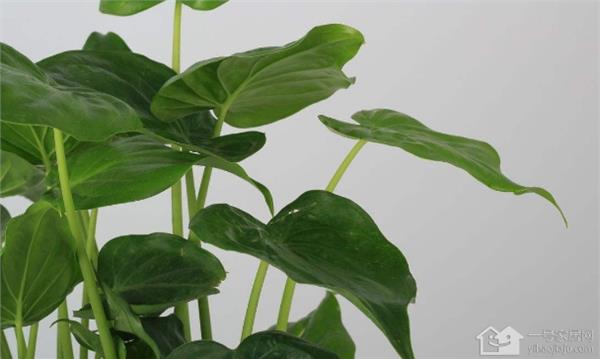
The unique function of Alocasia is its ability to absorb dust from the air, which is the same as many toxic flowering plants. It can improve the home environment, purify indoor air, and give people a fresh feeling.
Its leaves are relatively thick and fleshy, making it very suitable for viewing at home. Looking at the lush green leaves, many people's worries will surely be swept away, and its home decoration function is also very strong. However, because the white sap in its stem is toxic, as is the water that drips from it, accidental contact with or ingestion of the sap will cause discomfort. If the stem and leaves are accidentally eaten, it will cause symptoms such as nausea and pain, and in severe cases lead to suffocation, cardiac paralysis, and death. Therefore, try not to touch Alocasia, and if there are children at home, it's best not to place it there.