How to care for clivia in summer? Great tips to help you grow a perfect clivia
Summer is a rather tough period for clivia. High summer temperatures and strong sunlight both have a big impact on clivia's living habits, so how should we care for clivia in summer?
1. Watering
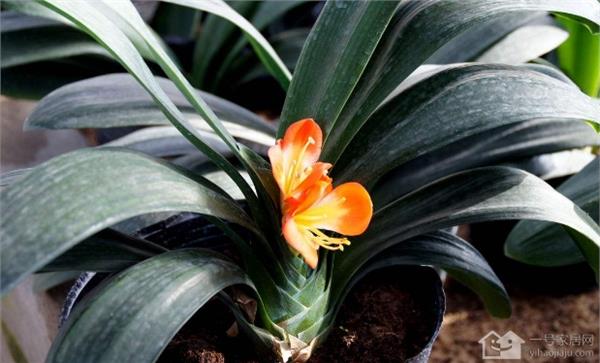
The roots of clivia are thick and sturdy and can store water. Pay attention to the moisture of the potting soil; it should not be too dry or too wet. The suitable growing temperature for clivia is no more than 30°C. If the temperature stays above 30°C for several consecutive days, clivia enters dormancy. At this time, with high temperatures the potting soil moisture evaporates quickly, so be careful to avoid the soil becoming too dry. Once the potting soil is completely dry, you need to repot the clivia, because when the potting soil is too dry it loses its water-absorbing capacity. Repotting clivia under high-temperature conditions carries relatively high risk, as it is very easy to bruise the flower roots, causing infection and root rot. The water temperature for watering clivia is best kept consistent with room temperature, with a temperature difference of no more than 5°C. Water that is too cold can easily give the flower roots a "cold" and cause them to lose their water-absorbing capacity; water that is too hot will damage the flower roots.
In summer it is best not to spray water on the plant; water droplets resting on the leaves form convex lenses and, when exposed to sunlight, can very easily scorch the leaves. Water flowing into the leaf core can also very easily cause water to accumulate in the core and rot it. The result of decapitating the plant is something no one wants to see.
2. Fertilizing
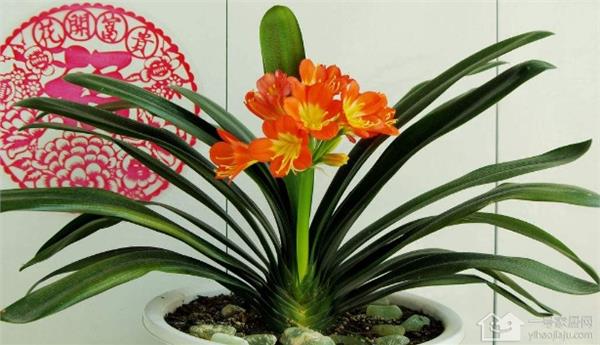
In summer clivia is basically in a dormant state, and the root system's absorption capacity is very poor. At this time the fertilizer applied is used very inefficiently, causing waste, and if the potting soil's drainage and aeration are poor, it can very easily cause root rot. I suggest stopping fertilizer.
3. Shading
Summer sunlight is very strong and the photoperiod is long. Leaves directly exposed to sunlight can easily suffer sunscald, greatly reducing their ornamental value. Shading measures should be taken, with light transmittance no more than 75%.
4. Ventilation
Ventilation helps prevent pests and diseases. In general, home-grown flowers have relatively few pests and diseases, but when air humidity (environmental humidity) is relatively high, it easily causes clivia leaves to grow leggy (leaves becoming thinner, longer, thinner and softer), and soft rot, fever disease and others are also prone to occur. Indoor ventilation helps lower indoor temperature and air humidity. If the growing environment has poor ventilation, you can spray the plant and the surrounding environment with a 0.5% aqueous solution of thiophanate to prevent disease.
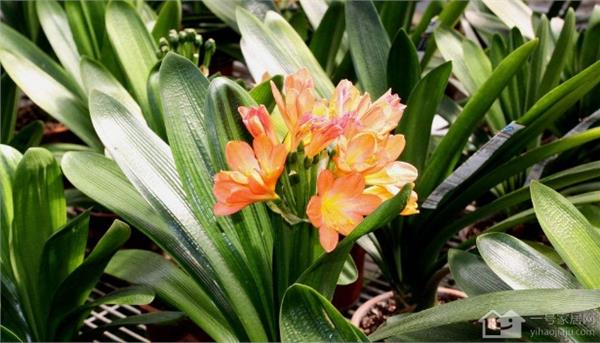
The above are some common problems with clivia. It is not only clivia; the vast majority of flowers have problems in summer and autumn. Clivia has strong stress resistance and good drought resistance, but in order for it to present you with beautiful flowers in winter, you should do your best to keep it healthy in summer.