How to grow Humata tyermannii? Detailed guide to cultivation methods and precautions
Humata tyermannii is an ornamental plant that can be grown indoors; it is a small epiphytic plant. Humata tyermannii also has another alias called "wolf-tail mountain grass." Today, we will mainly learn about how Humata tyermannii is cultivated.
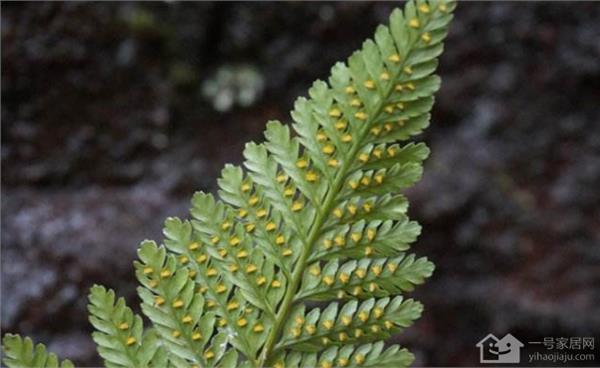
I. Cultivation methods for Humata tyermannii (basic knowledge):
Best propagation time: Both cuttings and division of Humata tyermannii are carried out in spring;
Best growing soil: Humata tyermannii is suited to fertile, well-drained soil;
Humidity requirements: Humata tyermannii likes a warm, semi-shaded, moist environment and also has a certain tolerance for drought and dryness;
Best growing temperature: The suitable growing temperature for Humata tyermannii is 21-26°C. In winter, the room temperature should be kept above 5°C, so it can overwinter without its leaf color changing;
Best growing light: Humata tyermannii likes bright, diffused light most. In summer and autumn, 60% shading is appropriate; in winter and spring, 30% shading is appropriate. It fears strong light, and when the light is too strong, the leaves tend to turn yellow.
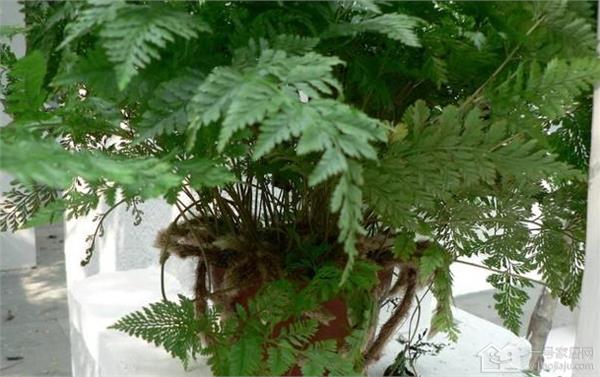
II. Precautions for cultivating Humata tyermannii:
1. Fertilizer application:
During the growing season, apply liquid fertilizer once every half month to Humata tyermannii, and promptly remove dead leaves to keep the foliage fresh and emerald green.
2. Key watering points:
Humata tyermannii must maintain relatively high air humidity. In spring and summer, when growth is vigorous, watering should be sufficient. Spray the leaf surface with water once in the morning and once in the evening, and pay attention to ventilation. In summer, it needs frequent misting and appropriate shading to keep the stems and leaves fresh and tender.
3. Potting soil replacement:
For potted Humata tyermannii, a mix of 3 parts humus soil plus 1 part coarse sand or perlite and a small amount of base fertilizer can be used. Place more broken tiles and bricks at the bottom of the pot to facilitate drainage. Generally, repot once every 1-2 years.
4. Key propagation points:
Humata tyermannii is mainly propagated by two methods: division and cuttings. When taking cuttings, cut the rhizome into segments of about 10 cm, coat the wounds with plant ash, then insert them obliquely into clean humus soil, maintain a certain humidity and carefully provide shade. For cuttings taken in spring, they can sprout and produce leaves in about one month. Division is often done in spring when dividing the pot; cut the rhizome apart, leaving 2-3 leaves or buds on each segment, place them on the soil surface or cover with a little soil to fix them in place, put them in a shaded, moist place, and after new roots grow, gradually move them to a semi-shaded place.
This plant has strong stress resistance and is relatively easy to cultivate. When first potting it during cultivation, do not bury it too deeply, otherwise it easily leads to rhizome rot. Although it has relatively strong drought tolerance, when dry the leaves tend to age and appear coarse. To make it grow normally and keep its stems and leaves lush and tender, during the growing season it should be placed in a semi-bright location, given sufficient water and fertilizer, keep the soil moist at all times, and appropriately spray water to increase humidity. Apply liquid fertilizer 2-3 times per month. Second, prevent water accumulation in the pot. When there is too much water, the gray-white scales on the rhizome will turn brown; at this point, watering should be stopped immediately. In August-September, it has a dormant period, and some leaves will turn yellow and wither; these should be picked off, and after some time it will resume growth.
When winter comes, move it indoors and give it sufficient light. Spray with lukewarm water around noon. If the room temperature can be kept at around 10°C, it will help maintain its good ornamental effect.
5. Pest and disease control:
The pests of Humata tyermannii include aphids and red spiders, which can be controlled by washing with soapy water, or killed by spraying 1000-1500 times diluted dimethoate or omethoate solution. When leaf blight occurs, in the early stage it can be controlled by spraying 300-400 times diluted 50% amobam aqueous solution or 800-1000 times diluted 70% thiophanate-methyl wettable powder.