A Detailed Guide to Calla Lily Cultivation Methods and Household Benefits
With a slender, upright posture yet a gentle, graceful temperament, and pure white, round blossoms of particular elegance and freshness, this is the calla lily. Nowadays, many people like to buy calla lilies for flower arrangements or to plant in their yards, and when they bloom they look especially delicate and charming. Today let us learn about the household benefits of calla lilies and their cultivation methods.
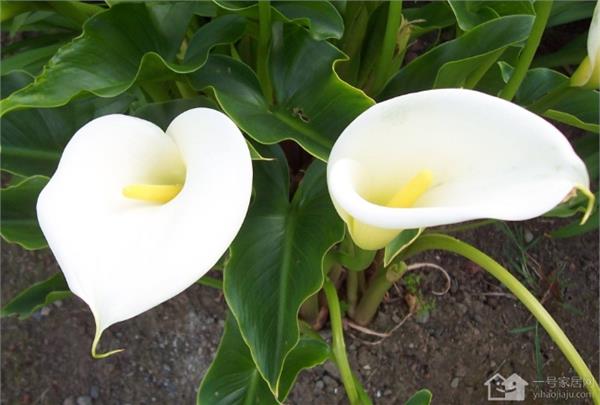
The Household Benefits of Calla Lilies
1. Calla lilies can break down toxins. They can produce free radicals in the air, and through the activity of superoxide, they can decompose mold in the air, formaldehyde, acetaldehyde, and toxins released by bacteria or fungi, breaking them down into harmless carbon dioxide and water. Through this repeated cycle, the air is purified. Homes, as the main setting of people's daily lives, are places where many sources of pollution are concentrated. Toxic substances enter the human blood through the skin and respiratory tract, causing a decline in immunity, and some volatile substances are even carcinogenic. Therefore, growing a pot of calla lilies is good for the family's health. In addition, green plants also help absorb dust, reduce noise, regulate indoor temperature and humidity, and adjust the indoor micro-environment, which can make the living environment fresh and clean. Growing flowers indoors can greatly reduce the amount of bacteria in the air.
2. Calla lilies can improve mood. Their light, elegant color is what makes calla lilies unique and worth admiring. Placing a pot of calla lilies at home as a beautiful sight also makes people feel very comfortable, and through the ongoing cycle it lifts your spirits and calms you, making it especially suitable for the home. Moreover, as the saying goes, everyone has a love of beauty; the calla lily, with its symbolism of purity, shows the owner's pursuit of beauty and their taste in flowers.
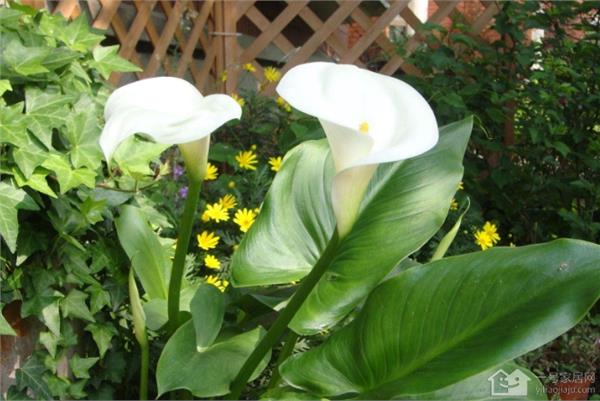
Calla Lily Cultivation Methods
1. Its soil and fertilization requirements. When growing in pots, you should choose a sandy loam with good drainage and apply enough base fertilizer. The base fertilizer is best made of fully rotted cake fertilizer or pig manure. After planting, water thoroughly and place in a shaded spot, keeping the potting soil moist. After sprouting, move it under a shade frame in a spot with scattered light for care, being careful not to expose it to direct sunlight, nor to shade it completely. In addition to the base fertilizer applied before planting, during the growing period apply a liquid fertilizer about every 20 days. Rotted cake fertilizer water can be used, and during the peak growing season a diluted liquid fertilizer of mixed nitrogen, phosphorus, and potassium can be applied about every 10 days. When fertilizing, never pour the fertilizer water into the leaf sheaths, to avoid causing rot.
2. Its watering requirements. During the growing period, calla lilies like plenty of moisture; frequently sprinkle water on the leaves and the ground, and keep the leaves clean. Before frost, move them into a greenhouse, keeping the room temperature above 10°C. During care, to avoid too many leaves affecting light exposure, the outer leaves can be removed, which also helps the flower stalks emerge. February to April is the peak blooming period, and after flowering, watering should gradually stop; after May the plant begins to turn yellow, and attention should be paid to ventilation and keeping it dry to prevent the tubers from rotting. When the plant is fully dormant, the tubers can be taken out, dried, and stored, then planted again in autumn.
3. Its propagation. For home pot cultivation with a small number of plants, division of the tubers is the main method. Each September, take the plant out of the pot, break off the small tubers around the mother plant, coat the wounds with plant ash to prevent infection and rot, replace the soil with sterilized potting soil, then place the mother tuber and small tubers in a 4000-fold potassium permanganate solution and soak for 15 to 20 minutes. After drying, pot them separately according to tuber size, so that the plants will be uniform the following year. The small tubers need 3 years of growing before they can bloom. Division propagation must be done in autumn, otherwise it will be difficult for them to bloom that year, and even if they do bloom, the flowering period will be late.