A Detailed Guide to the Household Benefits and Cultivation Methods of Aglaia odorata
The flowers that Aglaia odorata produces are as small as millet, each one tiny and yellow, yet the fragrance of the blooms is like that of an orchid - truly the flower lives up to its name. Aglaia odorata grows slowly and has a relatively long lifespan, and its symbolic meaning is also quite good. Many people like to grow some Aglaia odorata at home. Today let us learn together about the household benefits of Aglaia odorata and the cultivation methods for growing it.
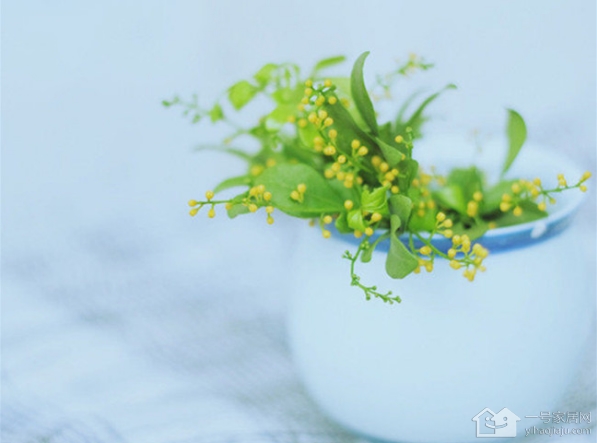
The household benefits of Aglaia odorata:
1. Beautifying the home. Aglaia odorata is a flowering plant that people love. When it blooms, its fragrance is striking. Potted plants can be displayed in the living room, study and porch, fresh and elegant, soothing to body and mind. In addition, in southern courtyards Aglaia odorata is also an excellent landscape tree, and it plays no small role in home beautification and arrangement.
2. Freshening the air. The leaves of Aglaia odorata are small and thin. Through photosynthesis it releases a relatively large amount of oxygen, which is fairly beneficial for freshening indoor household air. However, it is not suitable to place too many, lest at night the leaves that get no sunlight have to take oxygen back in to sustain life.
3. Edible use. Aglaia odorata is also a kind of flower that can be eaten. Generally its essence can be extracted, and Aglaia odorata tea is also available on the market.
Cultivation methods for Aglaia odorata:
Benefits of growing it: The leaf color is lush green and dense, the tree form is graceful, and the flowers are golden and shining, with ornamental value; the flowers can be used to extract essence; the stem wood is fine and can be used for carving and making furniture; Aglaia odorata can absorb sulfur dioxide and gas from the air, and it can also give off volatile oil with a bactericidal effect, which can purify the air and is beneficial to human health.
Flower cultivation: Line the bottom of the pot with about 3-5 cm thick coarse sand or charcoal crumbs as a drainage layer, then spread a small amount of culture soil on top. Place the plant in the center of the pot, filling with soil while pressing it firm, so that the plant roots and soil are tightly combined. After potting, water once thoroughly, then water sparingly over the next half month, keeping it in a semi-shaded place for care to encourage new roots to grow. Afterward, water promptly when the potting soil is slightly dry.
If it is a seedling, wait until it grows new leaves, then gradually let it see light, and keep its environment moist. Note that after potting the temperature must be kept above 15°C.
Fertilizing: After the temperature rises in spring and Aglaia odorata has been moved outdoors for care for one week, loosen the soil and apply some dilute nitrogen fertilizer. You can apply 10%-20% decomposed cake fertilizer water. Afterward, apply liquid fertilizer about once every 10 days to promote the growth of branches and leaves.
From June onward, Aglaia odorata enters its vigorous growth period and flowering period, until mid-October. During this time, apply a relatively concentrated fertilizer mainly of phosphorus fertilizer about once every 15 days, or spray a 0.3% potassium dihydrogen phosphate solution once every 15-20 days. This can also appropriately ensure more abundant flowering.
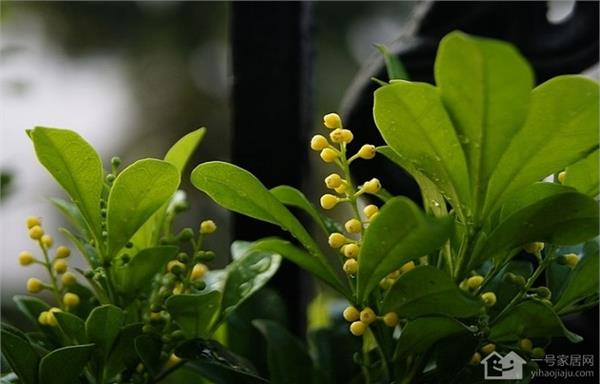
Precautions for growing Aglaia odorata:
1. Aglaia odorata likes a warm climate, so it is generally recommended to grow it in a greenhouse. In summer it can be placed outside, but pay attention to shading; appropriate shading is still fine. Generally keep the temperature at around 25°C, and during the hottest time in summer water appropriately to lower the temperature. In winter it absolutely must not go below 10°C, otherwise it will suffer frost damage.
2. Aglaia odorata likes moisture, so it needs timely watering, especially during the growth period, but remember that waterlogging must not occur, because too much watering will cause a series of problems such as yellowing leaves and root rot. So generally watering twice a day is enough, and in summer the leaves need appropriate sprinkling.
3. Aglaia odorata is not very demanding about fertilizer, but because it blooms many times a year, this causes a shortage of nutrients, so after flowering a little fertilizer needs to be applied promptly, and not too much.
4. For soil, just choose acidic soil. The humus material should mainly be leaf mold, or you can simply buy special fertilizer from the market.
When choosing a potted Aglaia odorata, you should often turn the soil to ensure air and drainage flow. Generally change the pot once every 2 years, and during the growing period fertilize the potting soil every 2 weeks. Seedlings must not be exposed to strong sun.