How to grow Epiphyllum hybridum? Cultivation methods and precautions
The elegant and refined image of the lotus has attracted the admiration of many scholars and literati from ancient times to the present. Among the lotuses available on the market today, besides the common lotus that grows in water, there is now another type called Epiphyllum hybridum, which grows in pots and is planted in soil. So how do you grow Epiphyllum hybridum? Let's learn about the cultivation methods for Epiphyllum hybridum below.
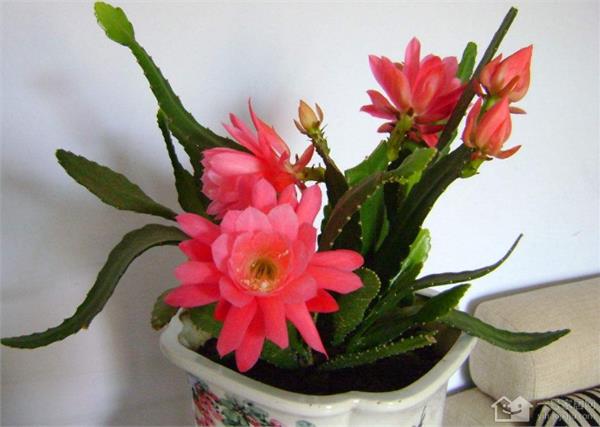
Cultivation methods for Epiphyllum hybridum
Bury the upper end of a stem segment about 10 cm long with its tip into the soil to a depth of about 7 cm, leaving the lower cut end exposed above the soil surface. Roots will form in 20 days, and new shoots can break through the soil in about 40 days. The section from the new roots to the cut end will naturally shrivel and dry up within 1 year. This effectively solves the problem of the cut end being prone to rotting, without restricting soil moisture.
Epiphyllum hybridum cuttings: The more abundant the water and nutrients in the soil, the more vigorous the growth of the cuttings. Even with controlled water and nutrients, they can still grow completely normally, without the branches becoming shriveled and weak, and the survival rate is above 90%.
Epiphyllum hybridum has no leaves, so the plant's respiration is limited. Therefore, the tissue at the tips of the modified stems and at some stem nodes gradually develops into aerial roots (adventitious roots) to help with respiration. When adventitious roots encounter soil and moisture, they quickly develop into permanent roots, enabling the plant to survive. The inverted planting method was successfully tested using this principle.
Epiphyllum hybridum cutting care: In autumn, Epiphyllum hybridum continues to grow branches and leaves, which is also the second vigorous growth period of the year, and the new leaves gradually age and mature. The management and care methods are basically the same as in spring and early summer. You can apply 2 to 3 rounds of supplementary fertilizer, mainly phosphorus and potassium fertilizer, and increase the light exposure time.
Repot Epiphyllum hybridum once every 1 to 2 years, in either spring or autumn. When repotting, remove some of the old soil and dead roots, add fresh potting soil (a mix of leaf mold, garden soil, sand, and organic fertilizer), and place hoof parings in as a base fertilizer.
Epiphyllum hybridum likes fertilizer, so the potting soil should be fertile and loose, with good drainage and aeration, and it should be repotted once a year in spring or autumn. When repotting, remove some of the old soil and dead roots, add fresh potting soil, and put in bone meal as a base fertilizer. During the growing season, apply a diluted, fully decomposed cake fertilizer solution once every 15 to 20 days.
After the Spring Festival, switch to applying liquid fertilizer once every 10 days, and promptly remove excess side shoots and shoots sprouting from the base to reduce nutrient consumption and keep the plant shape neat and attractive. During the bud stage, apply quick-acting phosphorus fertilizer 1 to 2 times to promote larger, more colorful flowers. Fertilization should stop in winter.
Epiphyllum hybridum does not like excessive water. The potting soil should always be kept slightly moist. After each fertilization, water and loosen the soil promptly. During the growth and development period, water according to the principle of watering when dry and withholding when wet, and never allow water to accumulate in the pot, otherwise the roots can easily rot and cause death.
Epiphyllum hybridum is not cold-tolerant. In northern regions, it can be moved indoors in mid-to-late October and placed in a spot with ample sunlight. From November to March of the following year, the temperature should be kept at 10 to 15°C. If the temperature is high, the modified stems tend to grow excessively, affecting a well-proportioned plant shape. From March to June, the temperature should be kept between 13 and 18°C; if too low, it affects bud formation. From June to November, it should be kept at 20 to 25°C. In the hot summer, provide appropriate shade and ventilation to lower the temperature.
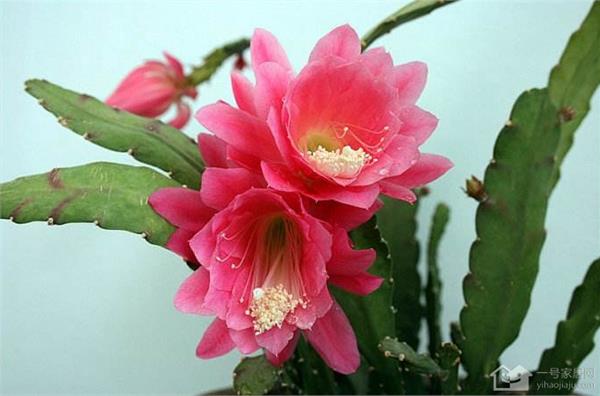
Epiphyllum hybridum should not be exposed to direct strong light.
In spring and autumn, it can be placed outdoors in a sunny spot for care, and in winter it should be placed indoors in a spot with ample sunlight. If the pot is left in a shaded place for a long time, it tends to grow excessively, which is unfavorable for flower bud differentiation and flower formation. If this is combined with excessive fertilizer and water, it often causes the modified stems to grow vigorously without blooming.
Precautions for growing Epiphyllum hybridum:
1. Spring: During the growing season of Epiphyllum hybridum, pay attention to ensuring ample light and timely fertilization. Apply a fertilizer combining nitrogen and phosphorus once every 10 to 15 days to promote healthy growth of flowers and leaves. Avoid water accumulation in the pot to prevent root rot. Starting in April, flower buds emerge at the edges of the upper half of the fleshy leaves and gradually swell, then bloom fully after half a month. If the plant lacks nutrients at this time and its growth is weak, it will not bloom or will bloom less. To prevent this, apply quick-acting phosphorus fertilizer 1 to 2 times in advance. At the same time, remove excess side shoots and shoots from the base.
2. Summer: During the vigorous growth period, promptly apply 1 to 2 rounds of supplementary fertilizer mainly based on nitrogen. This not only promotes the growth of new branches and leaves but also helps produce more buds and more flowers next spring. If you want to increase the number of stem segments, you must seize this favorable period to keep buds. During the high temperatures of midsummer, Epiphyllum hybridum enters a semi-dormant period. It should be placed in a ventilated, cool, semi-shaded spot, fertilization should be stopped, watering should not be excessive, and the potting soil should be kept slightly dry. Avoid excessive shading, so as to prevent excessive growth that affects flowering.
3. Autumn: This is the second vigorous growth period of the year. The new leaves gradually age and mature. The management and care methods are basically the same as in spring and from May to June in early summer. You can apply 2 to 3 rounds of supplementary fertilizer, mainly phosphorus and potassium fertilizer. Also increase the light exposure time.
4. Winter: After Frost's Descent, as the weather turns cold, it needs to be moved indoors for warmth and can be placed in a sunny spot indoors, with the room temperature kept at 8°C. Stop fertilization and restrict watering; it is best for the potting soil to be on the dry side, as too much moisture will cause the leaves to wilt and lodge and the roots to rot. After spring, from mid-March to early April, as temperatures rise, gradually extend the time for opening windows for ventilation and hardening, laying the foundation for later moving outdoors for care.
Epiphyllum hybridum likes a warm and humid environment, avoids direct sunlight, is drought-tolerant, tolerates partial shade, and is afraid of rain. It requires fertile, loose, well-drained neutral or slightly acidic sandy loam. The optimal temperature during the growing season is 20 to 25°C, the optimal temperature for flower bud differentiation is between 10 and 15°C, the winter temperature must not fall below 5°C, and the flowering period is April.