What flowers are suitable for growing at home in winter
Winter is cold, and it is also the frosty season when all flowers wither, yet there are always some flowers that bloom in such a cold winter season, bringing a little comfort to the bitter winter. Today, the editor will introduce to you what flowers are suitable for growing at home in winter.
Tulips are suitable for growing at home in winter
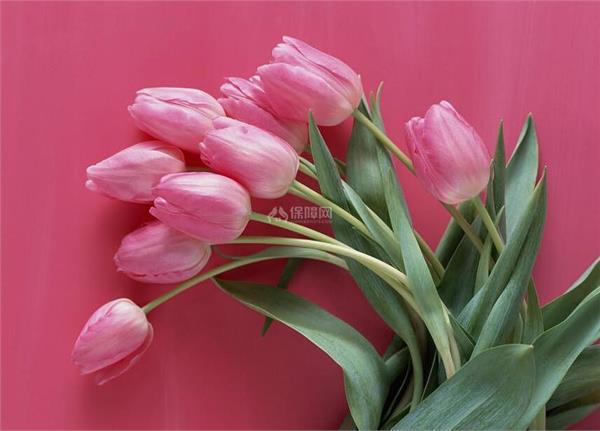
Tulips are very cold-hardy, and will not be frozen to death even at dozens of degrees below zero, and the colder the environment, the longer their stems will grow. It is generally recommended to sow in November or December of the solar calendar, but they also need sufficient light to help them grow.
Hyacinths are suitable for growing at home in winter
Hyacinths bloom beautifully and are a must-have flower variety for winter, and they can be grown either hydroponically or in soil. Hydroponically grown hyacinths must have their water changed promptly; if placed indoors, they will bloom around the New Year, and they will be very beautiful, and also a good auspicious omen.
Narcissus is suitable for growing at home in winter
The narcissus flower is jokingly said to look like garlic when it blooms, but its flowers are also very beautiful. It generally grows in autumn and winter, and will open in early spring, but narcissus is not cold-hardy enough, so it basically needs to be placed indoors, and must also be guaranteed sufficient light. It is recommended to start sowing and cultivating in autumn, and when the New Year comes in February or March, it will bloom.
Primroses are suitable for growing at home in winter
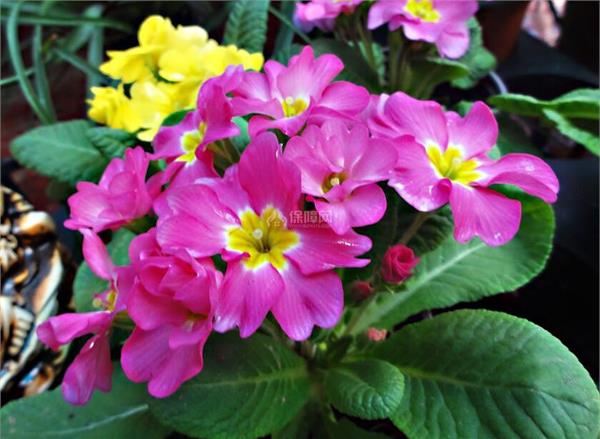
Hearing this name, everyone should be very delighted. Raising such a pot of flowers, when spring comes it will be the first to tell the family, is that not wonderful! The primrose is a plant that blooms in winter and spring; while it is still icy and snowy outside, it may already be blooming. Although its wrinkled leaves are not worth admiring, the primrose's flowers are stunning, and there are many flower colors and varieties, and the flowering period is also very long, making it one of the most popular potted flowers in winter and spring. It loves sufficient light and a warm environment, but is likewise cold-hardy, easy to care for, and just needs appropriate light and water.
Gentiana rhodantha is suitable for growing at home in winter
Gentiana rhodantha loves a cool climate, has strong cold resistance, and does not have high temperature requirements; only when the seeds germinate do they need a certain temperature and light, and it avoids high temperatures and humid weather. It grows better in relatively moist soil, avoids drought, has fairly strong drought tolerance, and likes acidic soil.
Clivia is suitable for growing at home in winter. Clivia has a very elegant shape, so many families who love flowers and plants will grow it; its neat leaves and orange-yellow flowers are both ornamental and decorative, and its care is also very simple. Clivia's flowering period is about one month, blooming in winter and spring, and it is suitable for indoor care in winter. Note that the temperature must be above 10 degrees; it can be watered appropriately, but there is no need to worry that it will lack water, and be sure to give it appropriate light. Although there are few sunny days in winter, as soon as the sun comes out you can move it outside to sunbathe!
Wintersweet is suitable for growing at home in winter
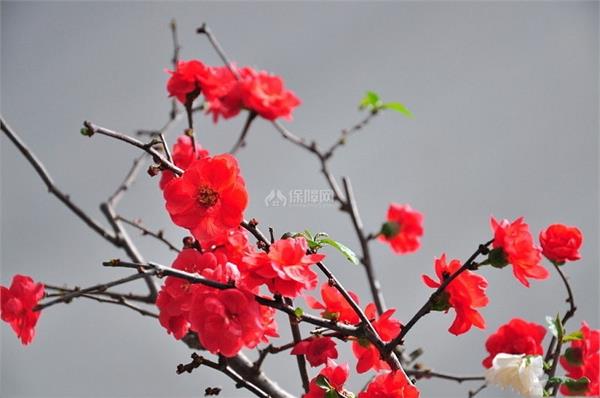
When it comes to what flowers bloom in winter, everyone's first reaction is basically plum blossom. It mainly blooms in severe cold, but as for wintersweet, it is relatively difficult to care for, so it has certain requirements for its growing environment.
1. Use loose, fertile sandy loam rich in humus;
2. Wintersweet is drought-tolerant and afraid of waterlogging; potted wintersweet should keep the soil on the dry side, and normally it should not be watered unless dry; when watering, water thoroughly, and in high-temperature seasons pay attention to watering more;
3. Wintersweet likes sunlight and is afraid of wind; it is relatively cold-hardy and can safely overwinter at temperatures not lower than -15°C;
4. Wintersweet has strong branching ability; attention should be paid to properly pruning the branches so that it sprouts more strong flowering branches and blooms more; it is best to prune after the flowers fade and before the leaves emerge;
5. Wintersweet is a flowering plant that likes fertilizer, so fertilizer should be applied in good time to promote flowering, mainly phosphorus and potassium, with less nitrogen fertilizer; the approximate ratio of phosphorus, potassium, and nitrogen is 2:1:0.5. In this way, the wintersweet's flowers will be large and fragrant.
The above is the editor's introduction on what flowers are suitable for growing at home in winter. For more introductions on home plant cultivation knowledge, welcome to follow Zhuangxiu Baozhang Wang to learn more.