How to care for succulents in autumn? Growing a good root system is the key
In recent years, succulents have become one of the plants many people love to grow. With the recent drop in temperature, we can feel the arrival of autumn. So the question this brings to beginners is, how should succulents be cared for in autumn? How can they be grown to be plump and thick? The key is actually root care. Let's take a closer look below.
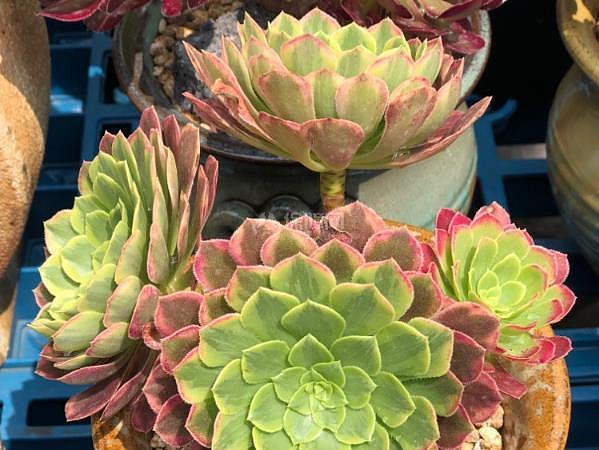
How to care for succulents in autumn
Watering needs to be cautious at the start of autumn. In summer, many people restrict or even stop watering their succulents, though of course some water normally. For succulents that have had restricted or no water, after the weather turns cool, it is recommended not to water thoroughly right away for the first one or two times. The amount of water should be increased gradually, giving the succulent's root system a period to adapt, so as to avoid increasing the chance of turning to mush.
Root care: Whether a succulent can grow well is closely related to how developed its roots are. When the roots are well developed, the plant naturally grows well. When the roots are weak, no amount of care will make the plant grow well. So when growing succulents, at the early stage we should care more about whether the roots have grown well.
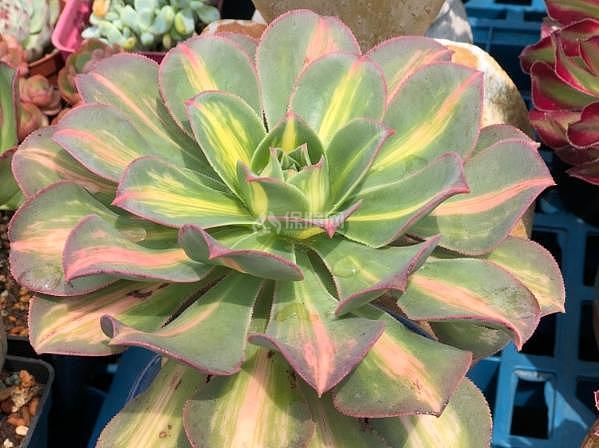
So how do you grow a good root system for succulents? The root system of succulents is not very developed. If the soil is too sticky or has poor water and air permeability, it easily becomes hard, and the roots cannot push down into it. Therefore, the soil for growing succulents should preferably have a certain degree of grit. Generally, use a bit more gritty soil for small seedlings and a bit less for large plants. This is because small seedlings have weak roots, and gritty soil makes it easier for them to grow. Large plants, however, have a greater need for water, and gritty soil holds water poorly.
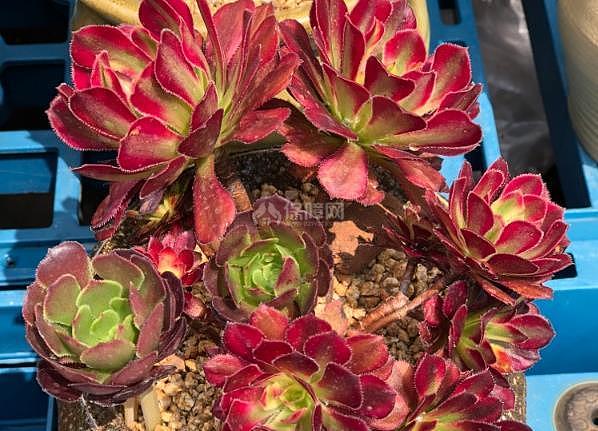
When repotting succulents in autumn, should used old soil be thrown away directly? Old soil can be used, but it is best not to use it directly; it should be properly treated. Potting soil that has previously grown plants will retain the roots, pathogens and insect eggs left over from the last plant. With long-term watering, the nutrients in the original soil are also lost. The most critical drawback is that the grit in the medium breaks down, affecting aeration and drainage, which can prevent the new plant's roots from extending or cause root rot and death.
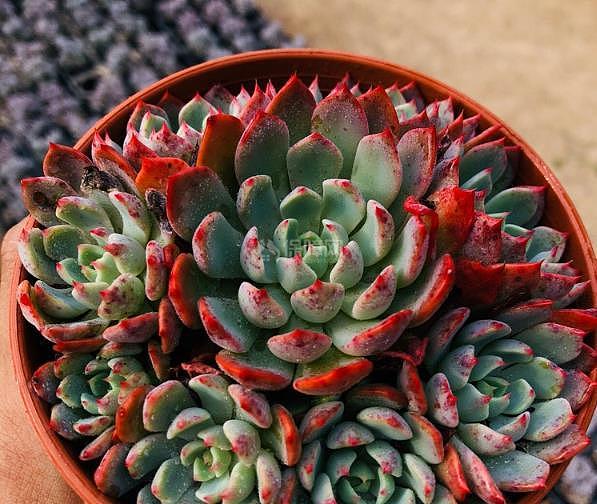
Because gardeners' old soil situations differ - some use peat, some use garden soil, some use their own mixed medium, some have grown plants that are not prone to pests, some have grown plants that are prone to pests, and so on - gardeners should adjust whether the old soil should be used according to their own actual situation. For example, if a gardener grew roses and the roses got crown gall disease, then this old soil must all be thrown away, because drying it in the sun and sprinkling a bit of disinfectant cannot thoroughly eliminate the pathogens.
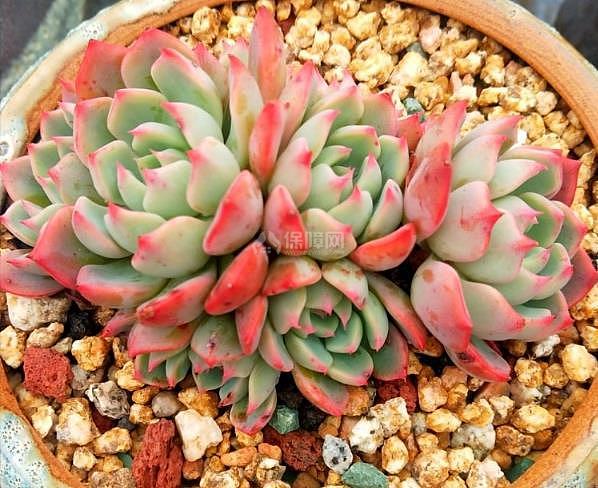
So here we suggest to gardeners: soil without pathogens can be used a second time, but if the soil has a history of some hard-to-eliminate pathogens, it is best not to use it a second time.
Related reading: How to care for the succulent Euphorbia obesa, propagation methods for Euphorbia obesa
What varieties of the succulent mountain rose are there? How to care for the succulent mountain rose