A Detailed Guide to the Benefits, Effects and Growing Techniques of the Dragon Bone Cactus
The Dragon Bone Cactus (Euphorbia trigona) belongs to the cactus family, and one notable trait is that they are all extremely drought-tolerant, with thick, sturdy stems. This plant is very easy to care for at home. However, there are still some small tricks when it comes to growing them, and mastering these little tricks lets it grow and bloom beautifully! So what are the benefits and effects of the Dragon Bone Cactus? What are the growing techniques?
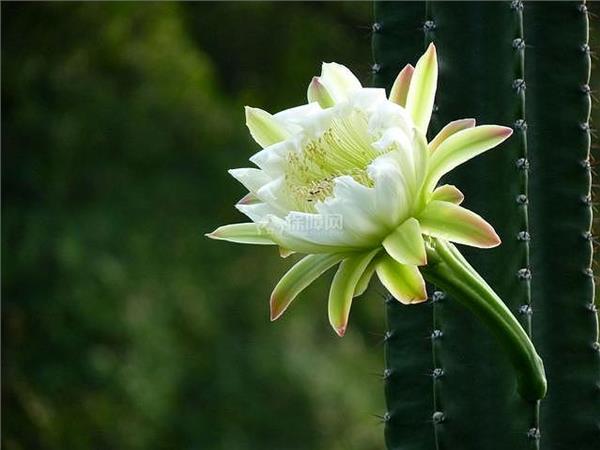
Benefits and Effects of the Dragon Bone Cactus
1. The Dragon Bone Cactus is rich in nutritional and medicinal value
Medicine holds that the Dragon Bone Cactus has a clear therapeutic effect on cerebral arteriosclerosis and cardiovascular disease, and it has the effects of clearing heat and moistening the lungs, eliminating phlegm and relieving cough, and nourishing and beautifying the skin.
2. Relationship with feng shui
In feng shui, places that generate prosperity, such as balconies, favour plants that are relatively tall and sturdy, with leaves that are thicker and more verdant the better. Therefore, placing large-leaved evergreen plants in the prosperity position has the effect of generating prosperity; while for unfavourable directions - for example, when looking out from the balcony the surrounding environment is harsh - some plants that can dissolve negative energy need to be placed there. A plant as imposing and uniquely shaped as the Dragon Bone Cactus, full of strength, is suitable for placing in unfavourable directions to ward off evil and block malevolent forces.
3. Purifying the air
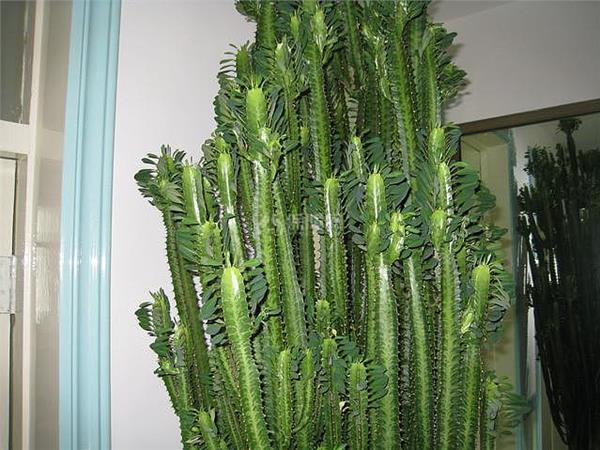
For newly renovated homes and offices, the Dragon Bone Cactus is also a great air purifier. The Dragon Bone Cactus is an excellent air-purifying plant. It has a very good absorption capacity for formaldehyde, benzene, radon, ammonia and TVOC.
4. Delicious food
Dragon Bone Cactus soup with pig's trotters or pork bone soup has a delicately sweet and fragrant taste, making it an excellent light nourishing soup ingredient.
How to grow the Dragon Bone Cactus
It is also a climbing plant with epiphytic habits; outdoors it can use aerial roots to attach to tree trunks, walls and other structures for growth. The main indoor cultivation methods are as follows:
Soil: It prefers loose, fertile soil rich in humus. For potting soil, mix 1 part leaf mould and 1 part coarse sand and add a small amount of decomposed chicken manure or cow manure to make the growing medium.
Light: In summer it should be kept in a semi-shaded environment. In winter it requires ample light, so place it in a sunny spot indoors.
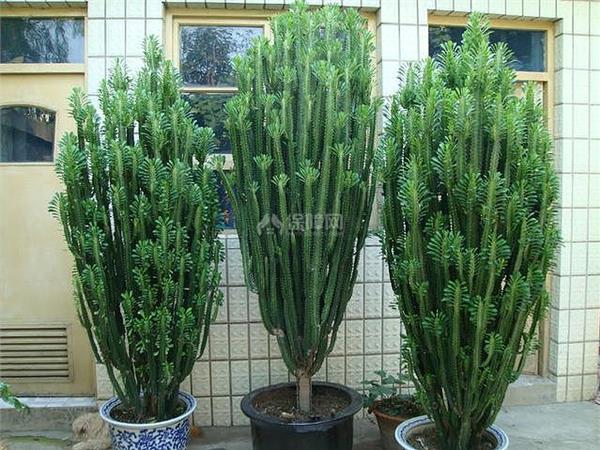
Temperature: It is best kept above 10°C; when the temperature drops below 10°C it is prone to cold damage.
Watering: In spring, do not water too much; watering once every 10-15 days is enough, but you should mist the plant daily to increase air humidity. In summer, water once a day, preferably in the morning or evening. In winter the potting soil should be kept moderately dry, and you can wrap the pot with plastic film to protect it through the winter. The overwintering environment should maintain both a relatively high temperature and relatively high air humidity.
Pruning method: First, cut off old branches that rarely bloom. Second, taking advantage of the vigorous new buds at the top and their tendency to bloom more, remove the weak buds growing below so that the terminal buds develop and extend fully, giving play to apical dominance. The queen of the night (Epiphyllum oxypetalum) blooms from May to November, in about 7-8 flushes, with each flush spaced about 20 days apart. The flower reaches its size 25-30 days after budding. This is also the best harvest period. The best harvest time is the morning or afternoon of the day after the flower opens. The flowers sold on the market and exported are processed into dried flowers.
Propagation methods
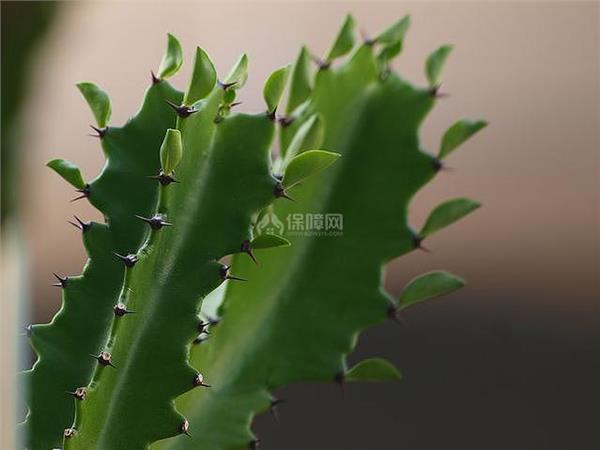
The most commonly used propagation method is cuttings, and the best season is spring, with May to September mostly being the propagation period.
Step one: Cut a branch directly from a healthy mother plant as a cutting, mainly using a diagonal cut, and leave it in a cool place for a week until the wound has healed and is dry with no sap seeping out, then propagation can begin;
Step two: Prepare a seedbed based mainly on leaf mould, bury it directly in it, seal it with plant ash, and place it in a cool indoor spot; it will take root in about 10 days, during which a suitable amount of water can be given;
Step three: About two weeks after propagation, remove the plant ash and provide appropriate photosynthesis, maintaining a stable temperature of around 25°C; after about one month it can be planted.
Points to note
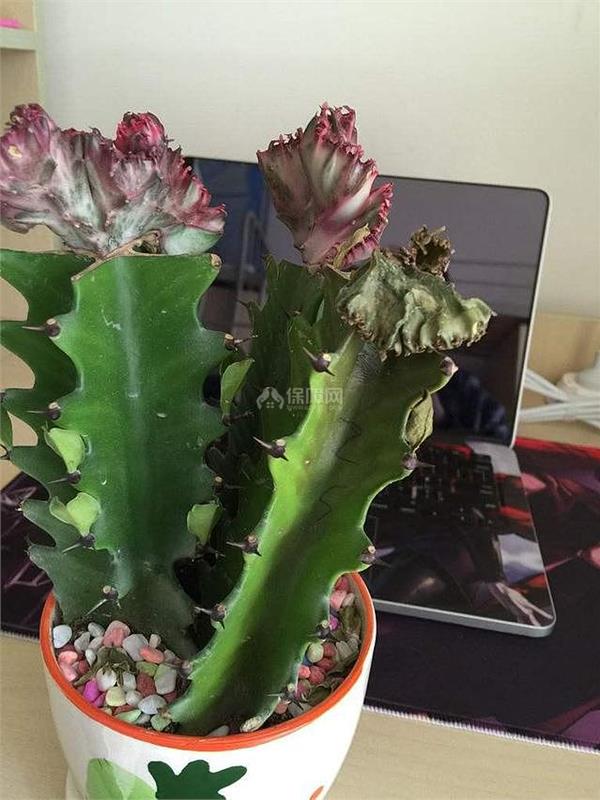
1. Besides normal growing methods, watering, fertilising, light and pruning, when growing the Dragon Bone Cactus you should pay even more attention to the treatment of the potted plant as a whole, so as to enhance the indoor decorative effect.
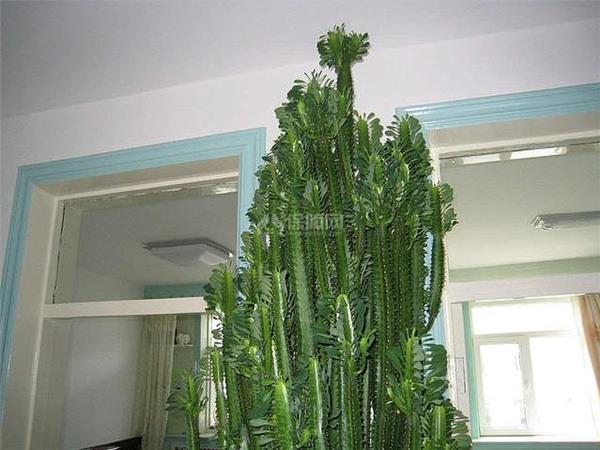
2. Generally, Dragon Bone Cacti over about two years old are all planted at the corner of a courtyard wall, or hung directly at the balcony position, to make climbing convenient; keeping them indoors should be avoided, as a lack of sufficient light will directly cause the Dragon Bone Cactus to shrivel.
3. For the care of the Dragon Bone Cactus, repotting is mostly done once every two years, and soil replacement can be carried out at the same time, which helps the plant prolong its vitality.
4. After the joint sections of the Dragon Bone Cactus break, they all exude a white liquid, and after human contact the hands should be washed promptly; avoid ingesting it by mouth, otherwise it will cause poisoning, so infants need to be kept away from it.
Do the above steps well, and the Dragon Bone Cactus can grow peacefully in your flowerpot, and when the flowering season arrives, with huge blossoms opening in the pot, wouldn't that be wonderful!
Related reading: How to grow the Dragon Bone Cactus | Is the Dragon Bone Cactus poisonous
Radiation-proof plants to place in front of the computer - besides the cactus, which others do you know
Points to note
1. Besides normal growing methods, watering, fertilising, light and pruning, when growing the Dragon Bone Cactus you should pay even more attention to the treatment of the potted plant as a whole, so as to enhance the indoor decorative effect.
2. Generally, Dragon Bone Cacti over about two years old are all planted at the corner of a courtyard wall, or hung directly at the balcony position, to make climbing convenient; keeping them indoors should be avoided, as a lack of sufficient light will directly cause the Dragon Bone Cactus to shrivel.
3. For the care of the Dragon Bone Cactus, repotting is mostly done once every two years, and soil replacement can be carried out at the same time, which helps the plant prolong its vitality.
4. After the joint sections of the Dragon Bone Cactus break, they all exude a white liquid, and after human contact the hands should be washed promptly; avoid ingesting it by mouth, otherwise it will cause poisoning, so infants need to be kept away from it.
Do the above steps well, and the Dragon Bone Cactus can grow peacefully in your flowerpot, and when the flowering season arrives, with huge blossoms opening in the pot, wouldn't that be wonderful!
Related reading: How to grow the Dragon Bone Cactus | Is the Dragon Bone Cactus poisonous
Radiation-proof plants to place in front of the computer - besides the cactus, which others do you know