How to plant newly bought succulents: this step is quite important
Succulents are a type of indoor plant that everyone loves to grow. As autumn arrives, many "succulent fans" are ready to start growing again, so how do you plant newly bought succulents? Whether you buy succulents on site at a succulent greenhouse or online, this first step is always needed: air-drying. Many people may find this puzzling; the text below will give you a specific understanding.
How to plant newly bought succulents
The word "air-dry" seems simple, but doing it can reduce the mortality rate of succulents by 90%. So after succulent fans buy succulents, do not rush to plant them; be sure to air-dry them. Especially for succulents bought online, they get bumped around all the way through delivery and are stuffy and hot. After the succulents arrive home, first trim the roots, soak them in carbendazim for a few minutes, then place them in a ventilated spot for at least one day before proceeding to the next step of potting.
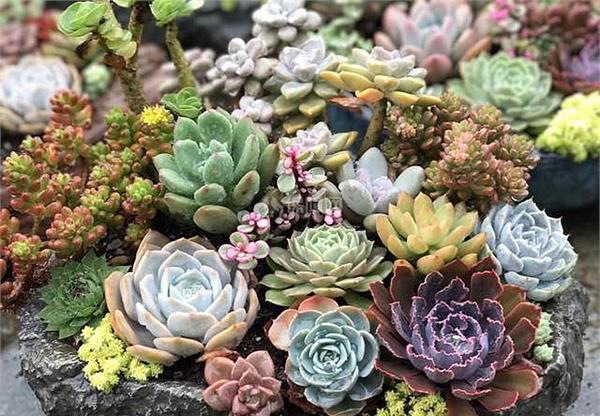
If you rush to pot them, whether it is moisture or bacteria in the potting soil, both can cause the succulents to become infected with disease. After newly bought succulents are potted, do not water them immediately either; it is best to give water after one to two days.
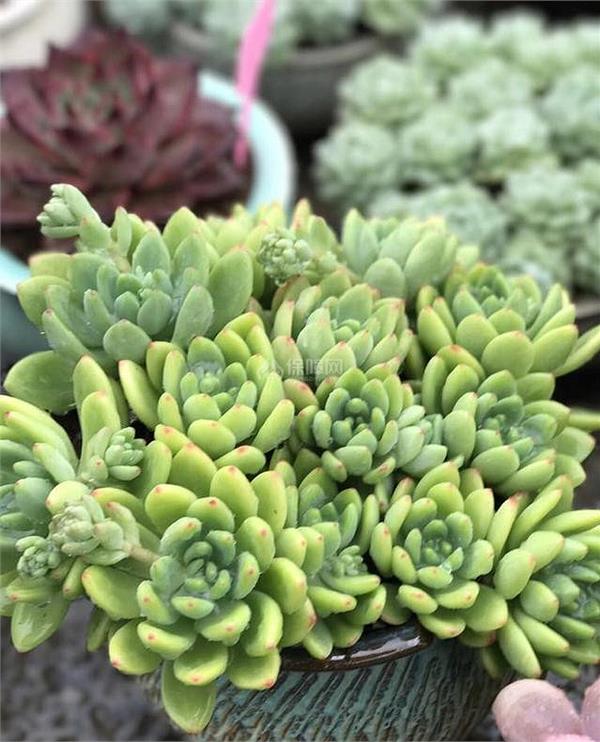
For newly bought succulents, when it comes to watering, usually watering once a week is enough, just keep the soil in a relatively moist state. When watering, generally water thoroughly along the stem outward until moisture seeps out from the bottom drainage holes. Remember, they must be placed in a ventilated spot, otherwise the roots are prone to rot.
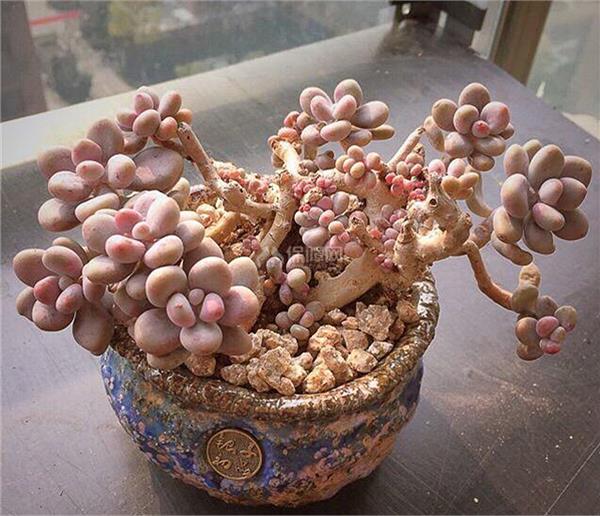
About a week after potting, they can gradually be exposed to the sun, starting from indirect light and slowly moving to full sun. Although it is now autumn, the ultraviolet rays and light intensity are still relatively strong. Especially some small seedlings and leaf-propagated succulents are quite fragile, so when exposing them to the sun, it is still recommended to use a sunshade net for protection.
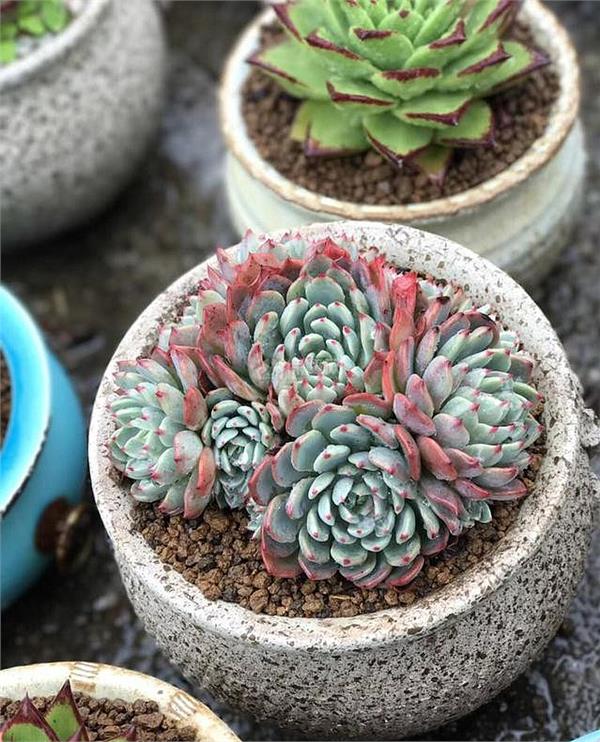
Note: if water accidentally gets on the succulent leaves, wipe it off promptly; do not place them directly in the sun to dry, as sunburn spots easily appear.
How to grow succulents in autumn
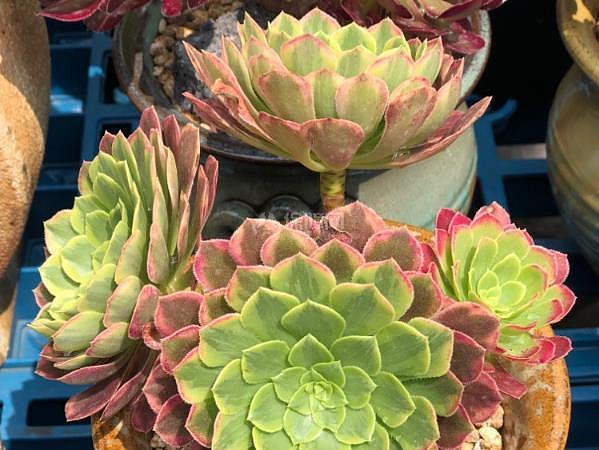
Root care: whether a succulent plant can grow well has a lot to do with how developed its roots are. When the roots are developed, the plant naturally grows well. When the roots are weak, no matter how you care for it, the plant will not grow well. So when growing succulents, in the early stage we should care more about whether the roots have grown well.
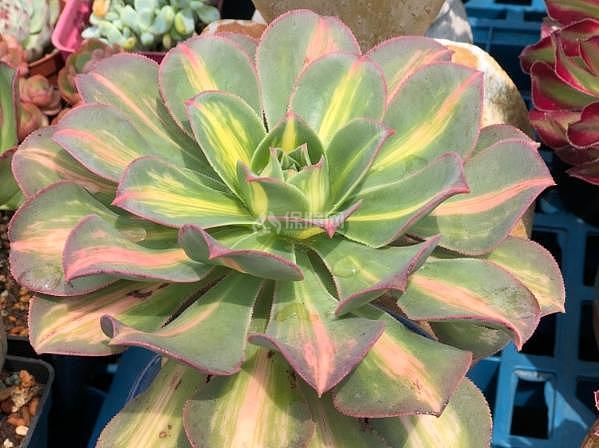
So how do you grow succulent roots well? The root system of succulents is not very developed. If the soil is too sticky or has poor water and air permeability, it easily becomes hard, and the roots cannot penetrate. Therefore, the soil for growing succulents should preferably have a certain degree of grit. Generally, small seedlings get more gritty soil, and large seedlings get less gritty soil. This is because small seedlings have weak roots, and gritty soil makes it easier for them to grow. Large seedlings have a greater demand for water, and gritty soil has poor water retention.
When repotting succulents in autumn, should the used old soil be thrown away directly? Old soil can be used, but it is best not to use it directly; it should be properly treated. Potting soil that has previously grown plants will retain residual roots, pathogens and insect eggs from the previous plant. With long-term watering, the nutrients in the original soil are also lost. The most critical drawback is that the grit in the medium breaks down, affecting aeration and drainage, which can cause the new plant's roots to be unable to extend or to rot and die.
Because flower enthusiasts' old soil situations differ, some use peat, some use garden soil, some use their own mixed medium, some grow flowers and plants that are not prone to pests, some grow flowers and plants that are prone to pests, and so on in various situations, so flower enthusiasts should appropriately adjust whether the old soil should be used according to their own actual situation. For example, if some flower enthusiasts grew roses, and the roses got root gall disease, then this old soil should all be thrown away, because simply sun-drying it and sprinkling some disinfectant chemicals cannot thoroughly clean out the pathogens.
So here it is suggested to flower enthusiasts: soil without pathogens can be used a second time; if the soil has a history of some difficult-to-remove pathogens, we had best not use it a second time.
Related reading: How to grow succulents; When to water succulents?
Can succulents be placed in the bedroom?